Pucón, Chile

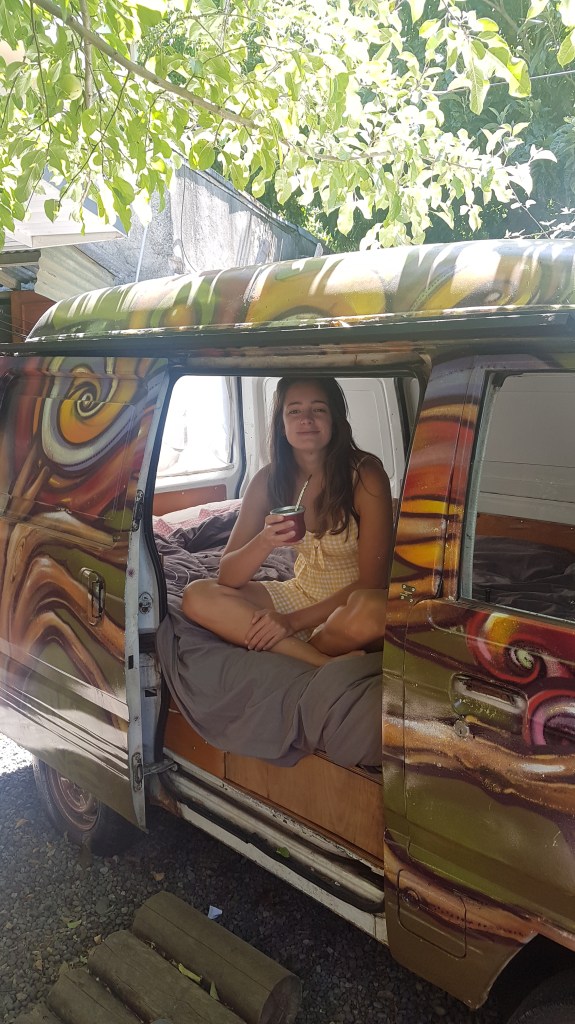
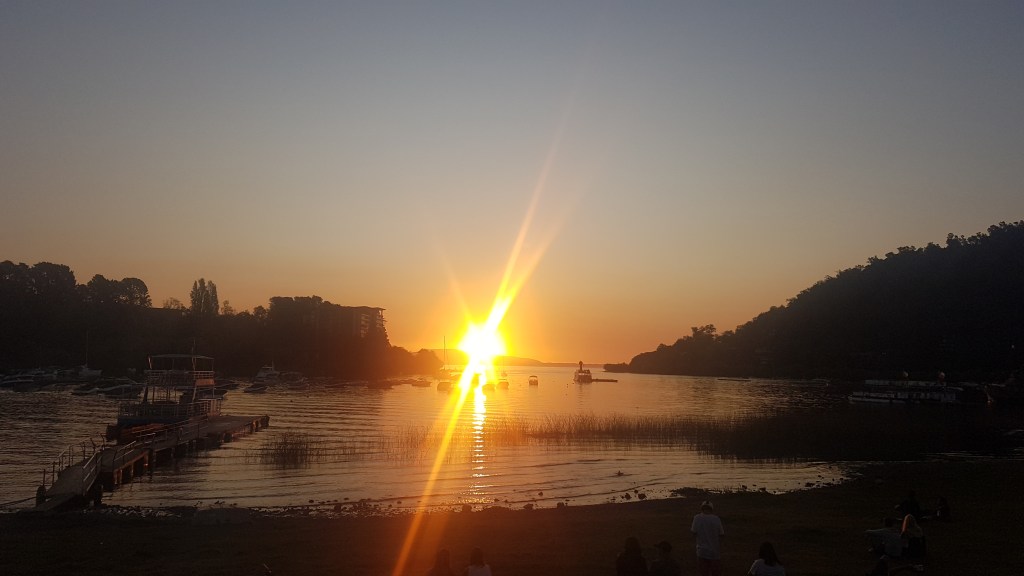
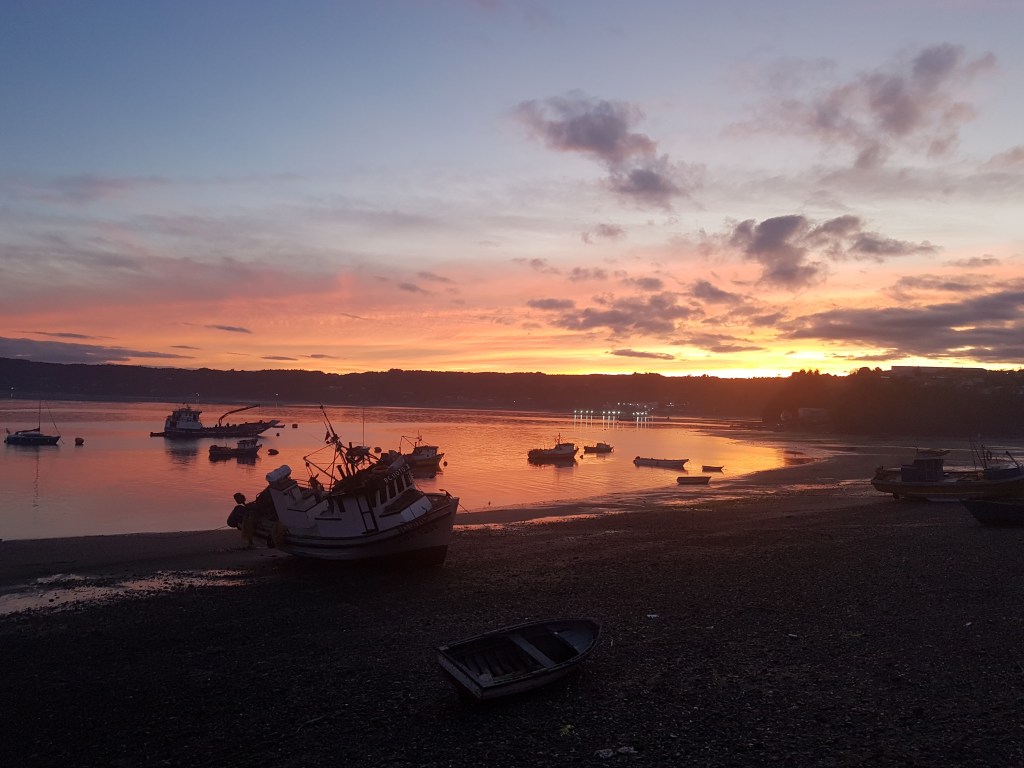
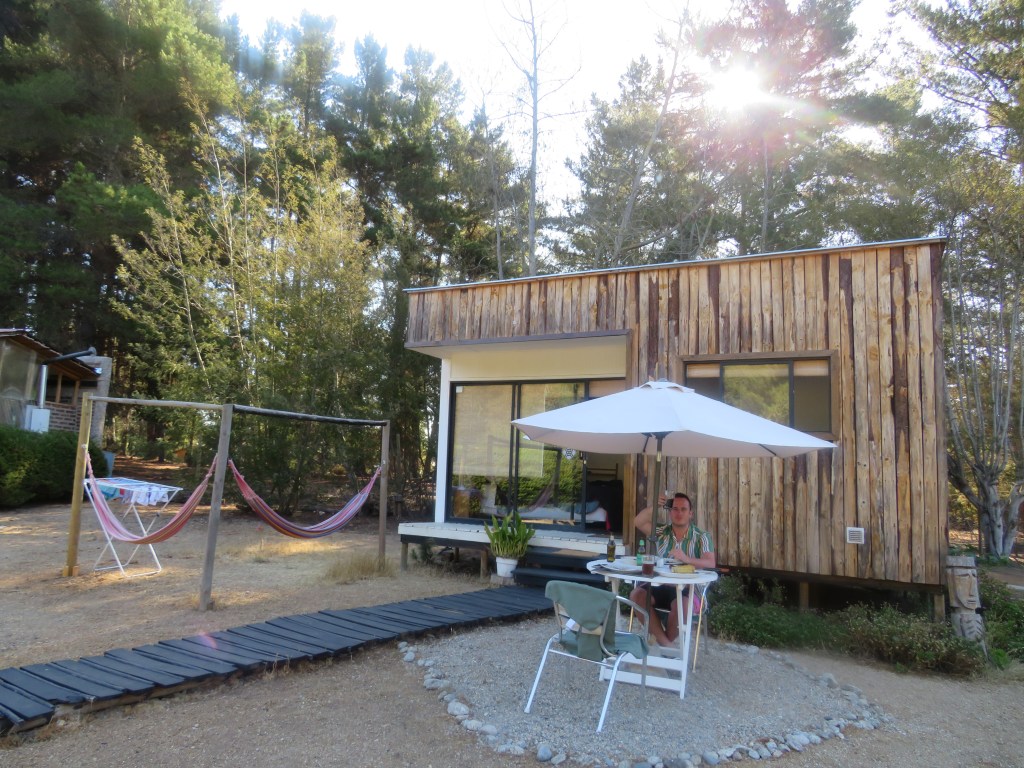
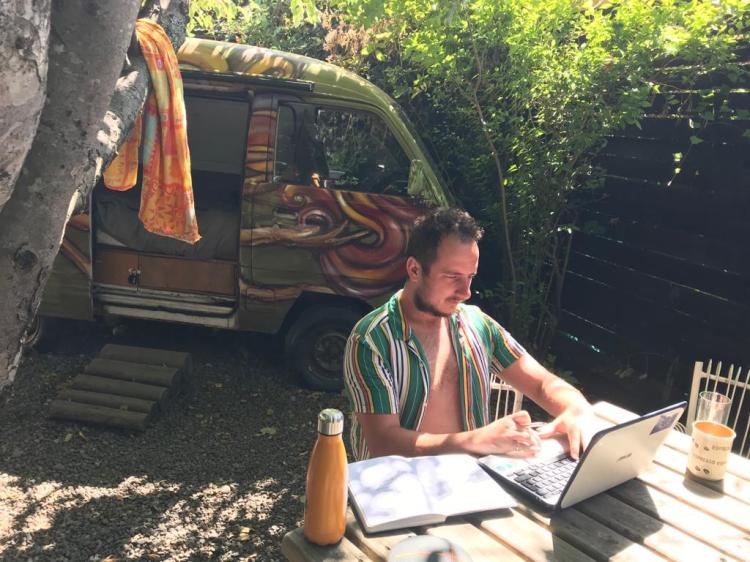
Pucón was easily one of the highlights of our trip. A bustling, touristy town set on lake Villarrica with views of the nearby volcano; the place had such a great vibe and we could have easily stayed longer than our 5 days. We had booked a hostel right on the lake where we could watch the beautiful sunset with a beer every evening and stayed in an amazing converted campervan with a private terrace.
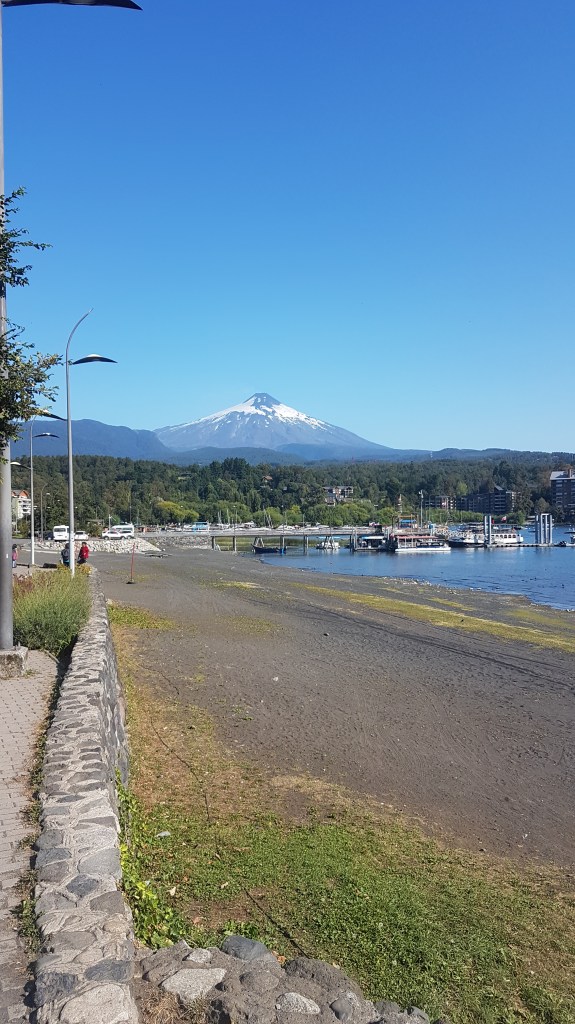
One of the main reasons people flock to Pucón, apart from its beauty, is to climb the volcano; and we were no different. Villarrica volcano (also known as ‘Rucapillan’ in the local indigenous Mapuche language, meaning “Devil’s house”) is one of the most active volcanoes in South America and last erupted on March 3rd 2015 – and guess what… we were climbing it on March 3rd 2020, not ideal!

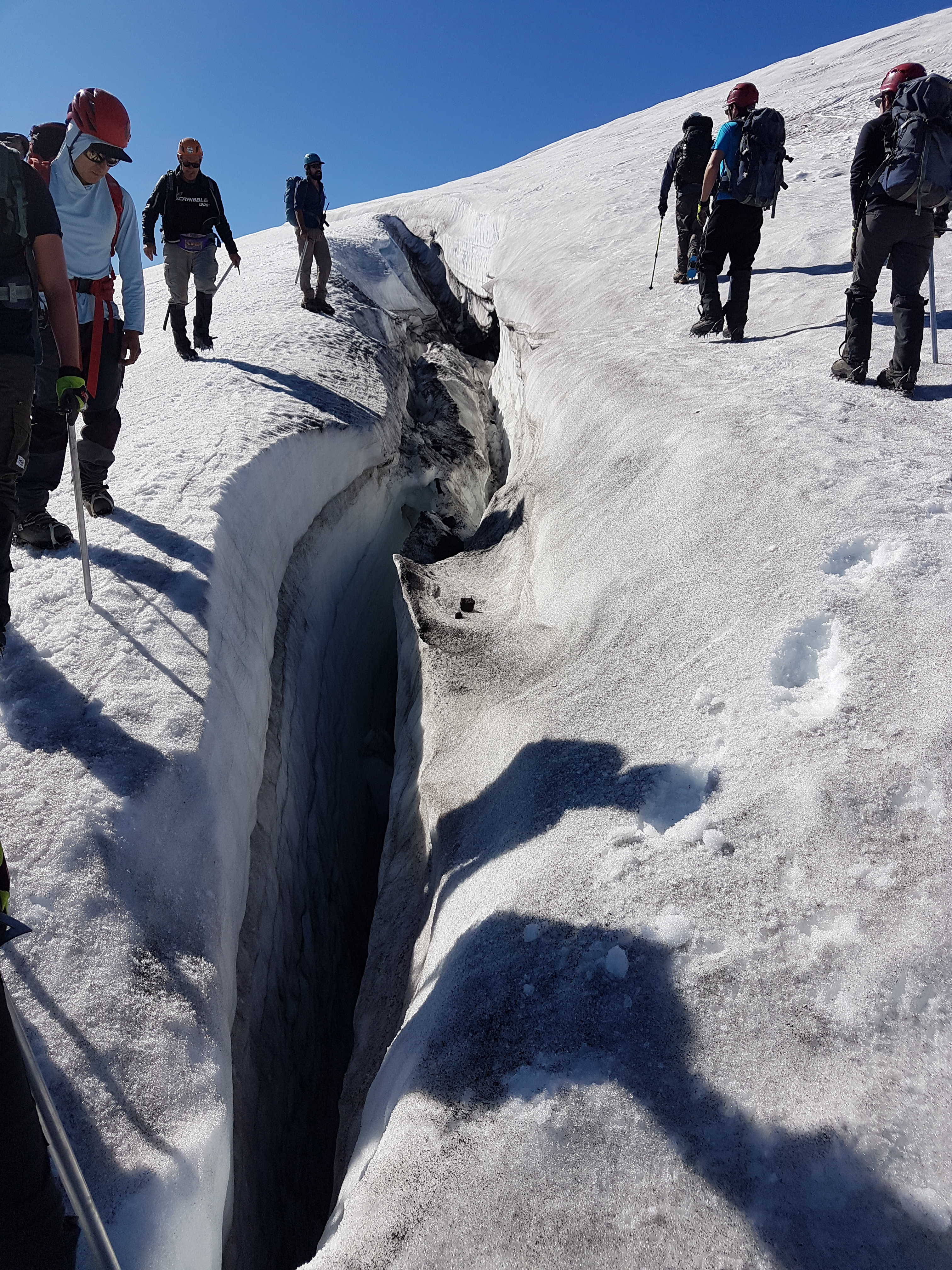
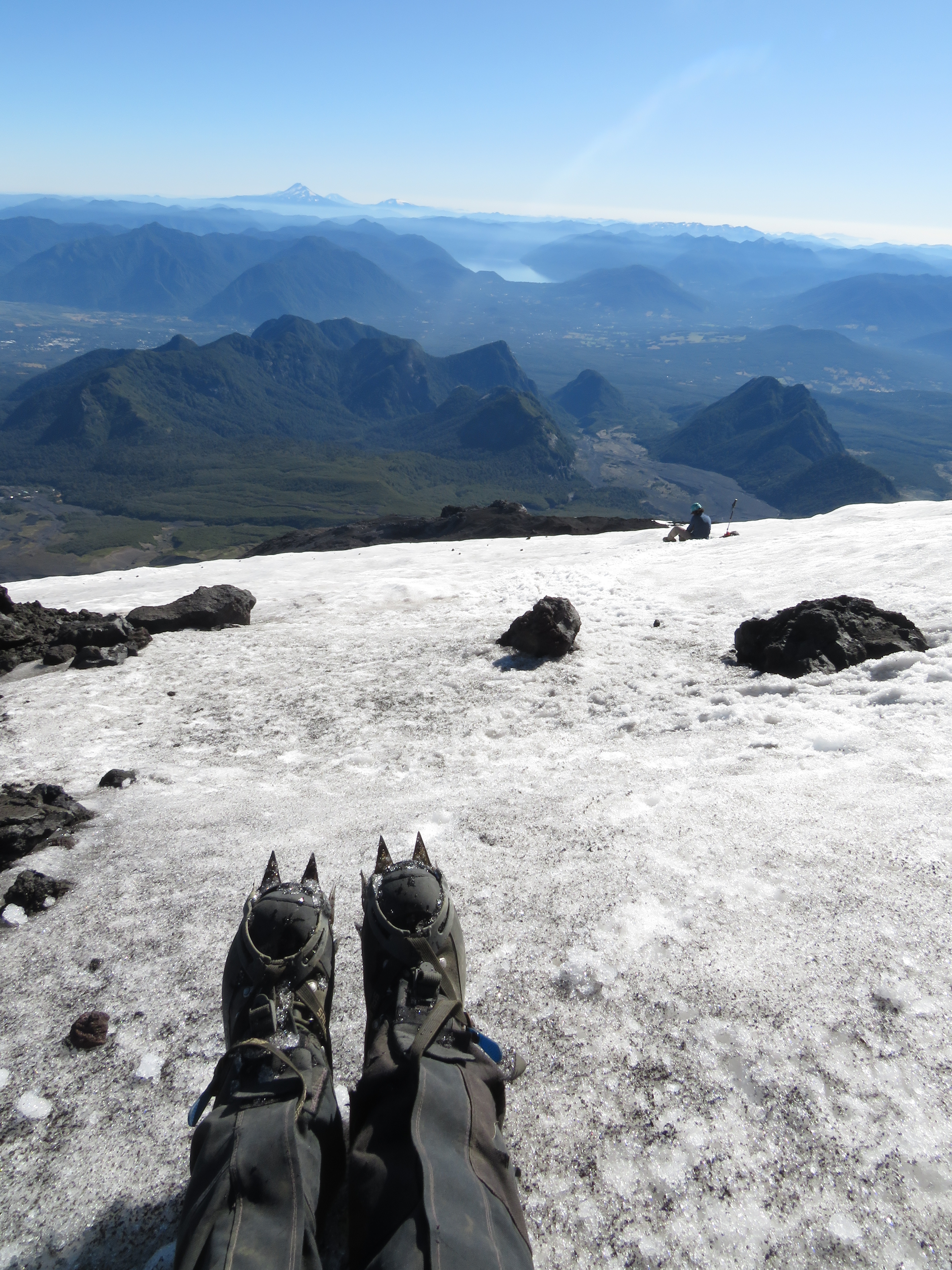
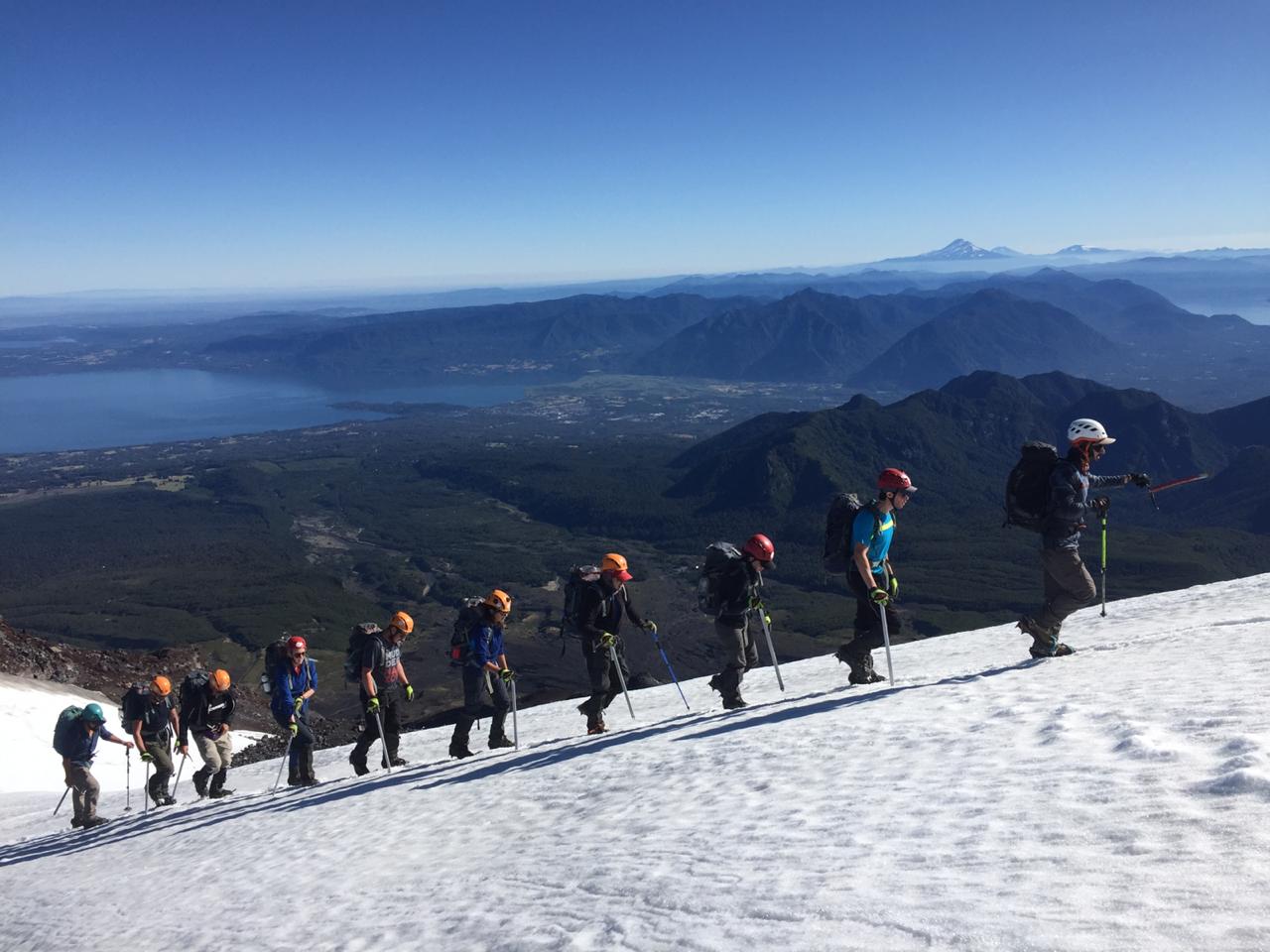
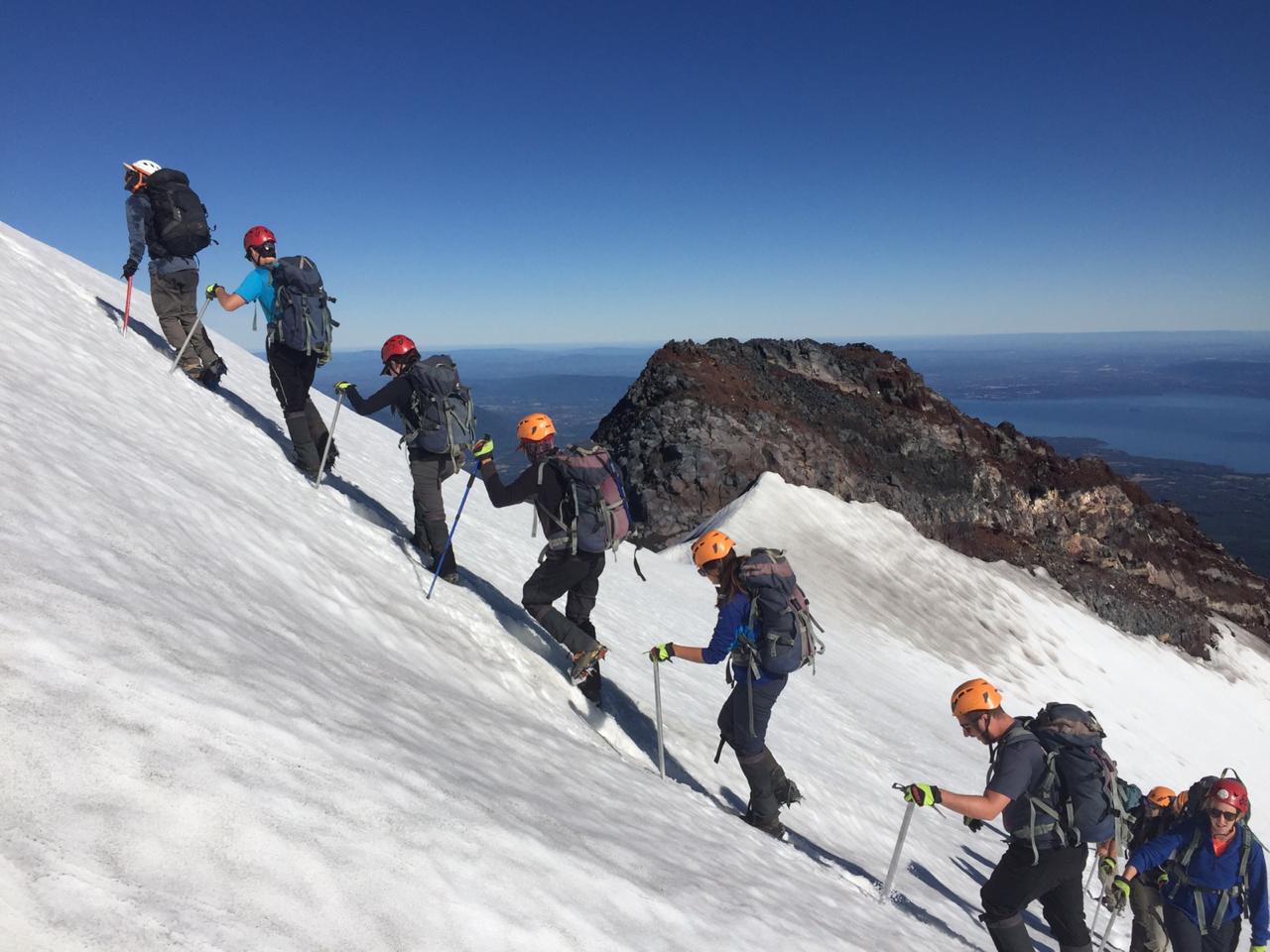
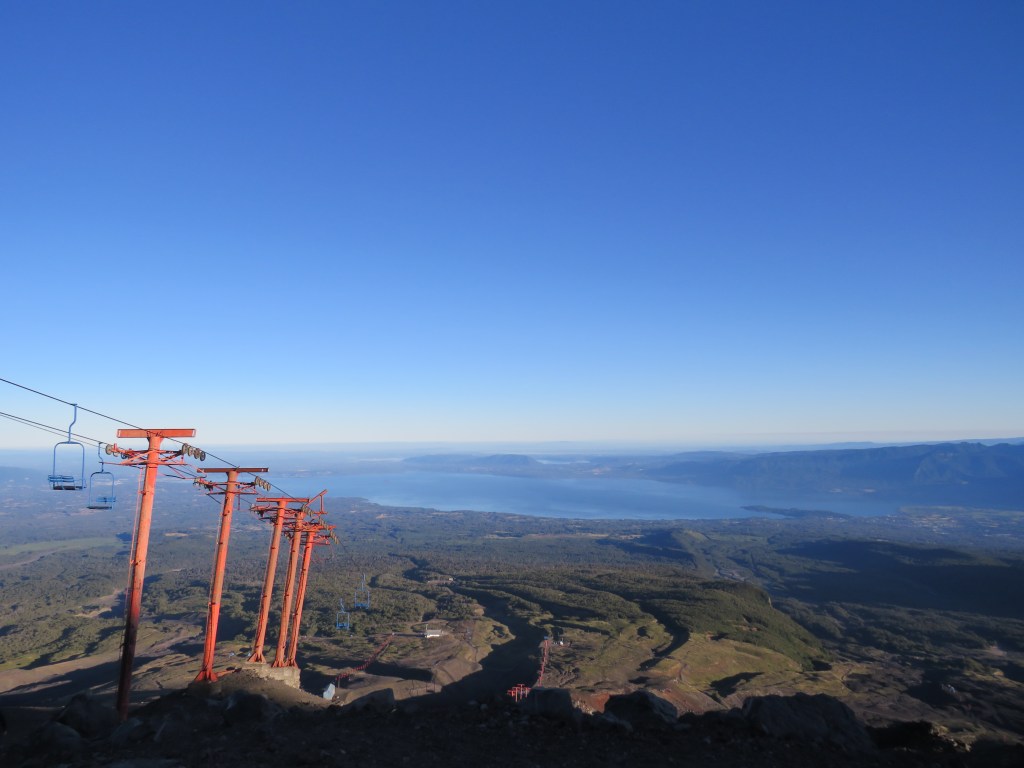
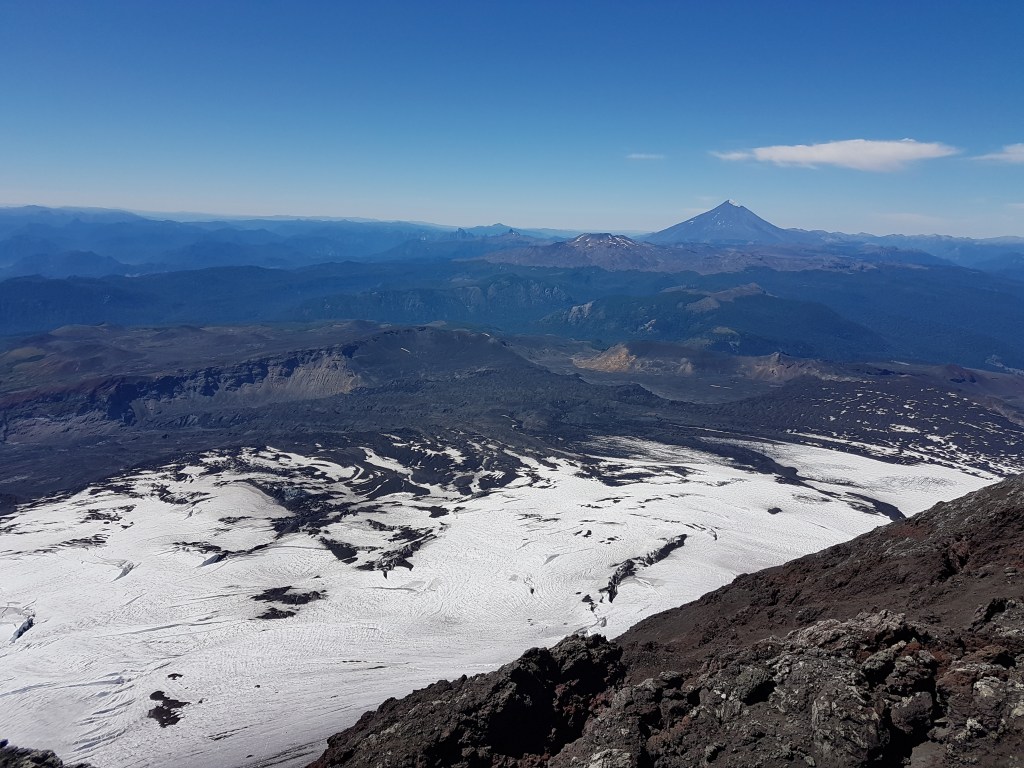
The climb began with a 5am start in order to arrive at the base of the volcano for the sunrise. We had a choice of taking a ski lift up part of the volcano to save an hour of hiking or just hiking. Naturally, as budget backpackers, we chose the free option and decided to hike… a painful hour into the hike we regretted this slightly (although we knew the sense of achievement at the end would be worth it). There were three stages to the climb: the first part involved climbing/sinking into small volcanic rocks and sand. The next stage was hiking on a glacier (another thing ticked off the bucket list!) for which we wore crampons and used an ice pick to avoid slipping down the volcano and into one of the many terrifying ridges in the ice. The slope was very steep and so it was an exhausting climb, but the experience was one to remember. The final part was then a steep climb up huge rocks to the crater.
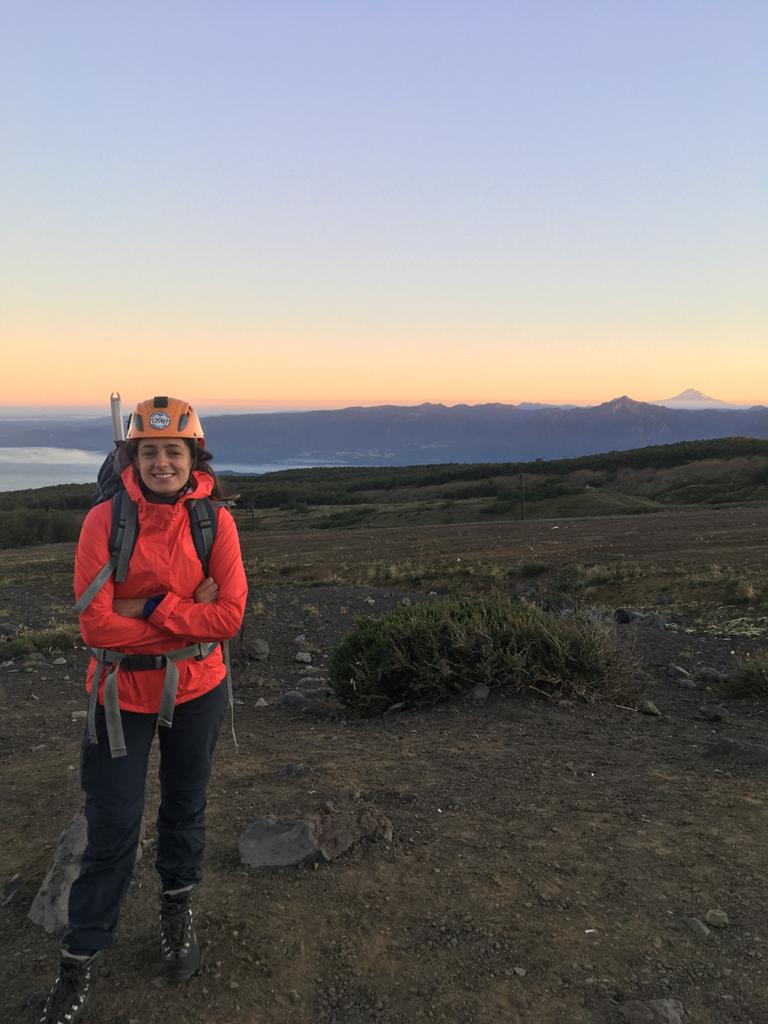
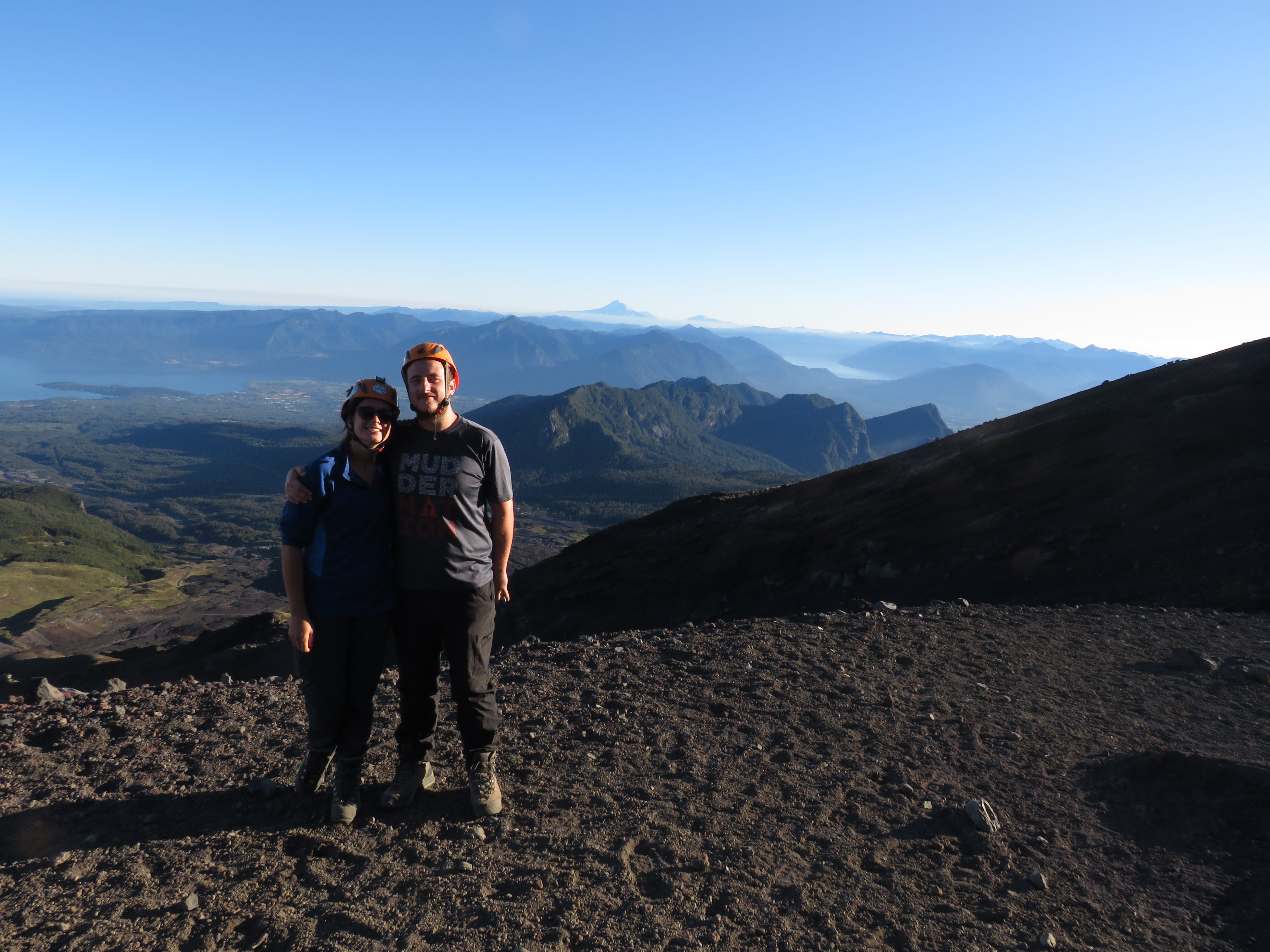
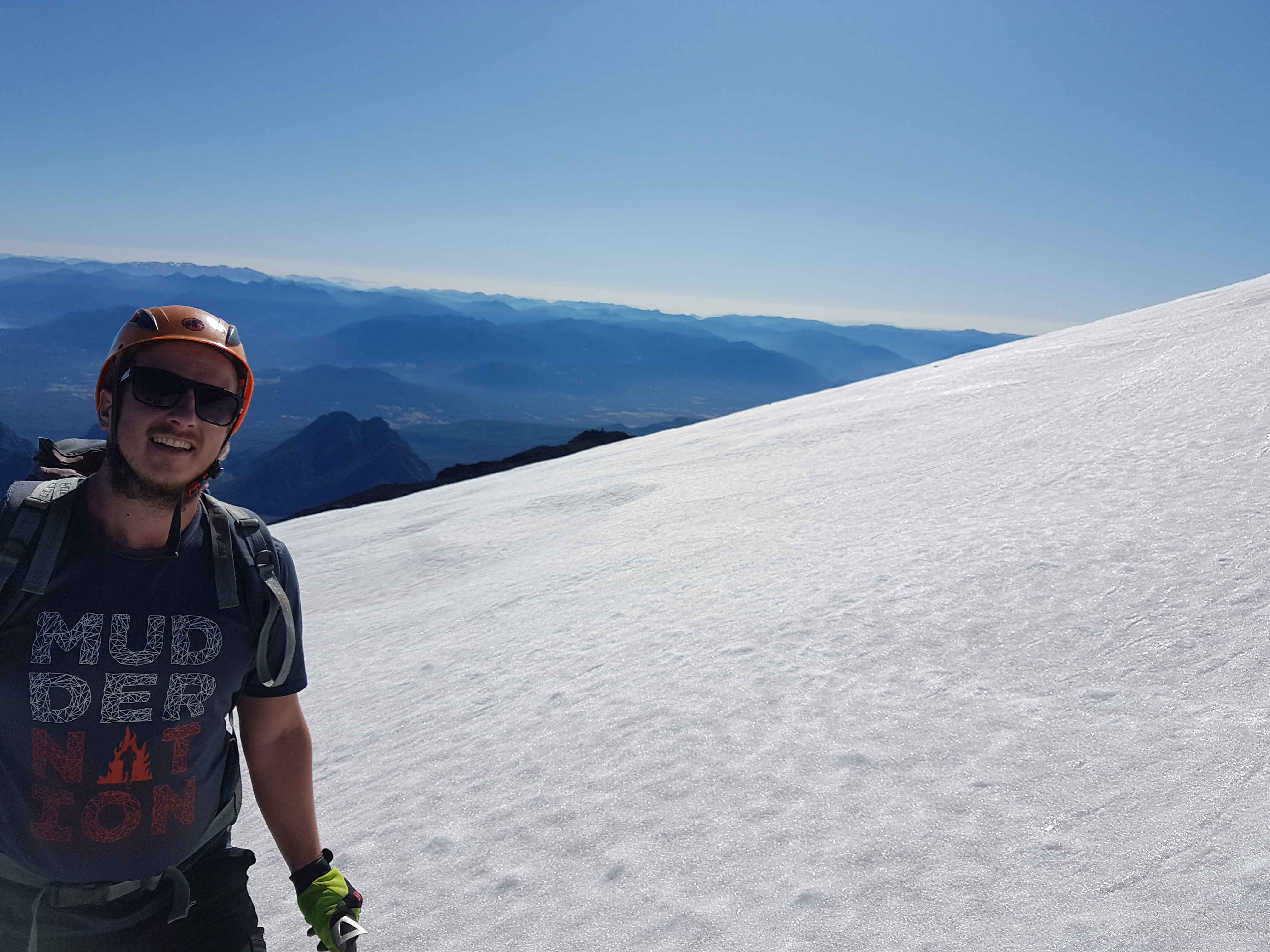
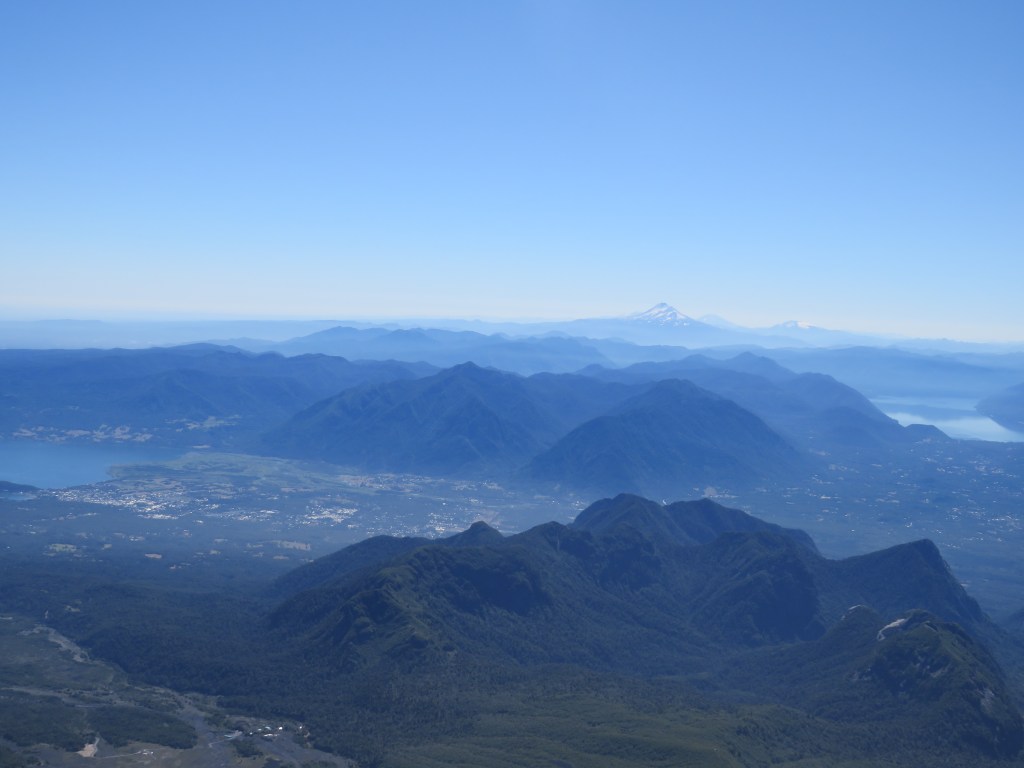
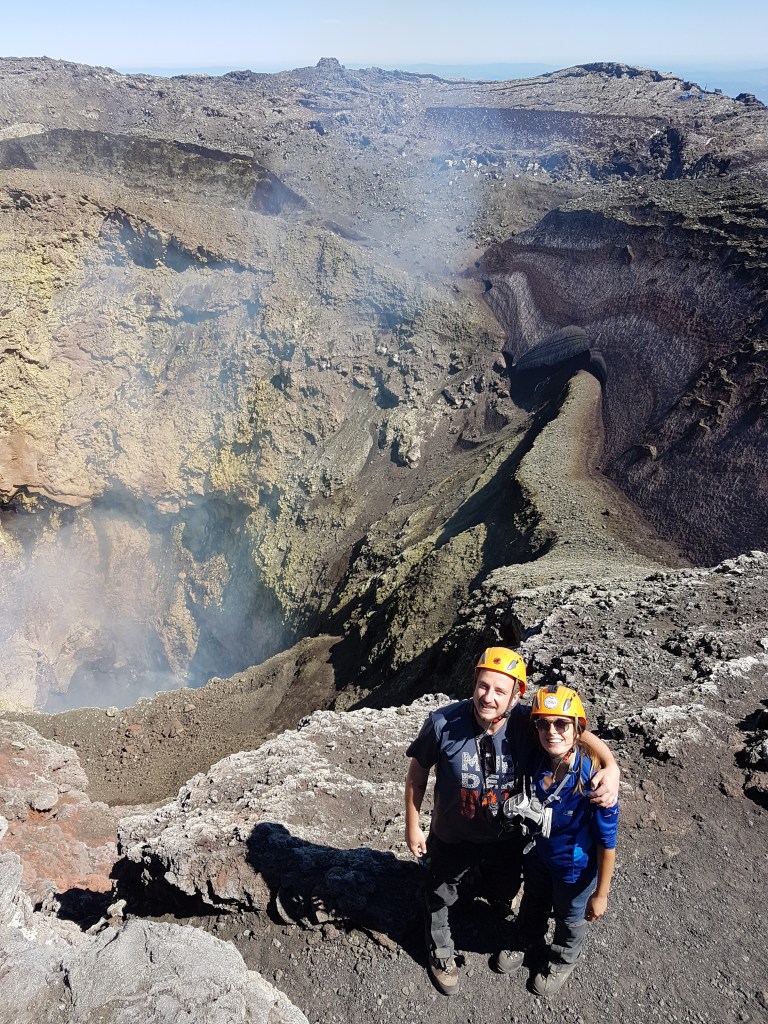
The view on reaching the top was spectacular – 360 degree views of beautiful volcanoes, hills and lakes. We were so lucky to have uninterrupted blue skies for the whole hike. It was an immense feeling to be stood in the crater of a volcano; we had to use gas masks due to gases billowing from the volcano, this was nothing however when compared to the huge noises the volcano made every few minutes, for a split second you were convinced that it was about to erupt! So after some pictures and time to appreciate the jaw-dropping views it was time to go back down the volcano.
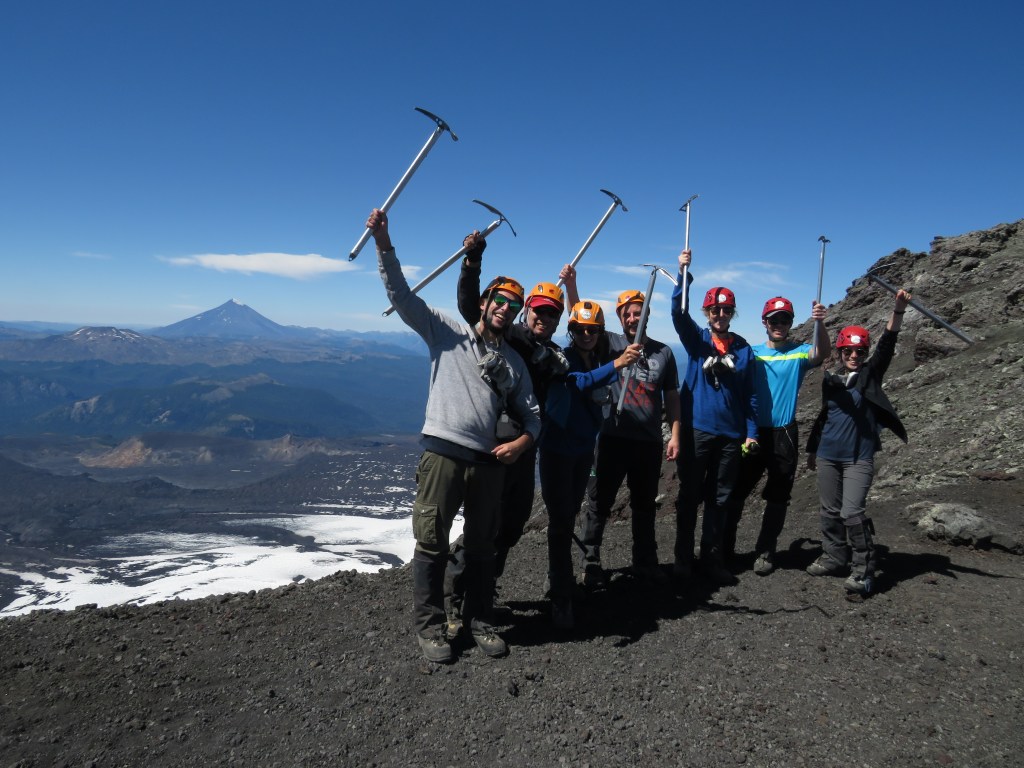
This is usually the worst part of any climb; without the excitement of reaching the top the descent can be draining and feel even longer than the climb. This one was different, however, as they had created winding ice slides in the glacier which we slid down. This was so unique and memorable – how many times in your life can you say you slid down an active volcano!?

It took a couple of days to recover from this tiring hike, but we certainly managed to relax on the sunny lake beach. Pucón was so full of many other adventure activities – rafting, kayaking, horse riding, hot springs and skydiving (we were very tempted!) but we decided to save some for later on in our trip.

We left Pucón with very fond memories and naïvely unaware that this would be our last bit of real freedom for quite some time.

On to the next stop: San Rafael, Argentina (after a 24h bus journey…)
Workaway on Chiloé Island, Chile

We have some catching up to do! Going back to the end of February and to pre-COVID-19 quarantine times…

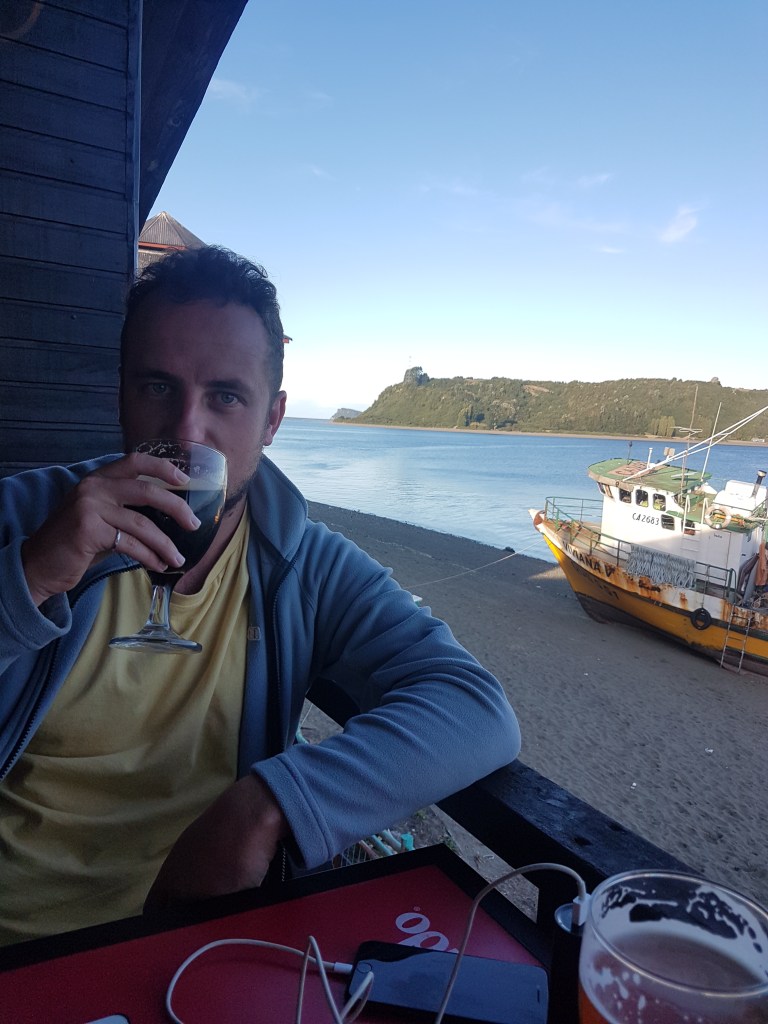
After a month exploring vast Patagonia, our next stop was the island of Chiloé via a short ferry from mainland Chile where we had signed up to volunteer on a rural farm. As we drove to the sleepy seaside town of Quemchi, we were surprised to see that the landscape looked very much like the British countryside – gentle, rolling hills and greenery everywhere – a huge change from the dramatic landscapes we had become used to in South America!

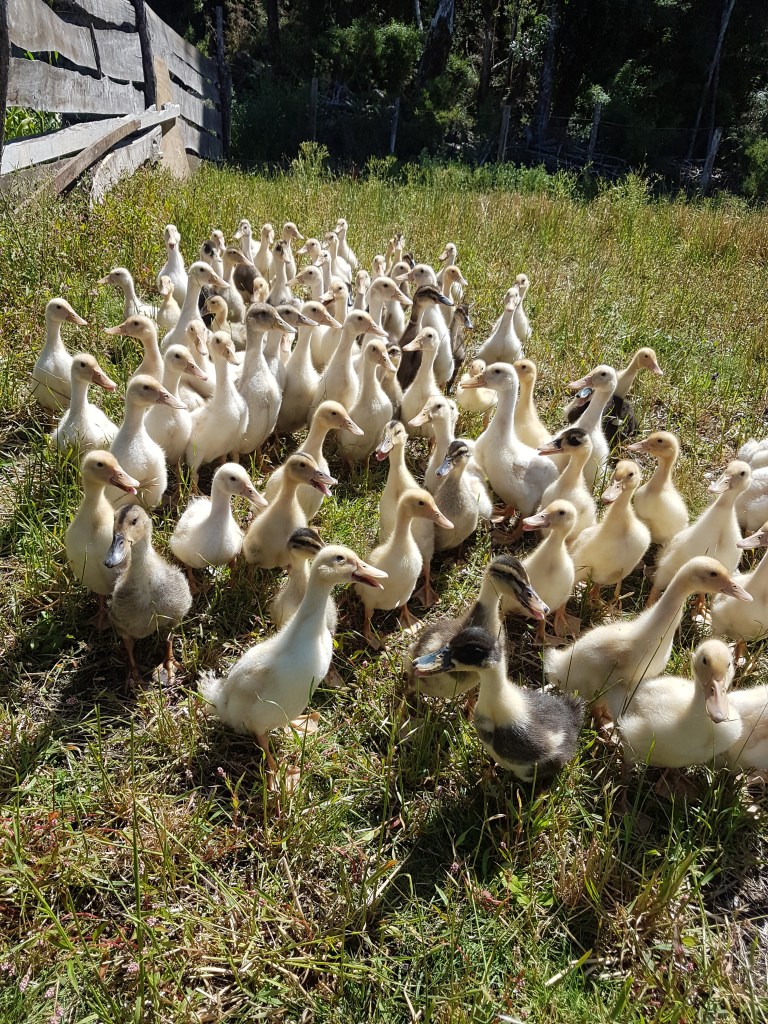
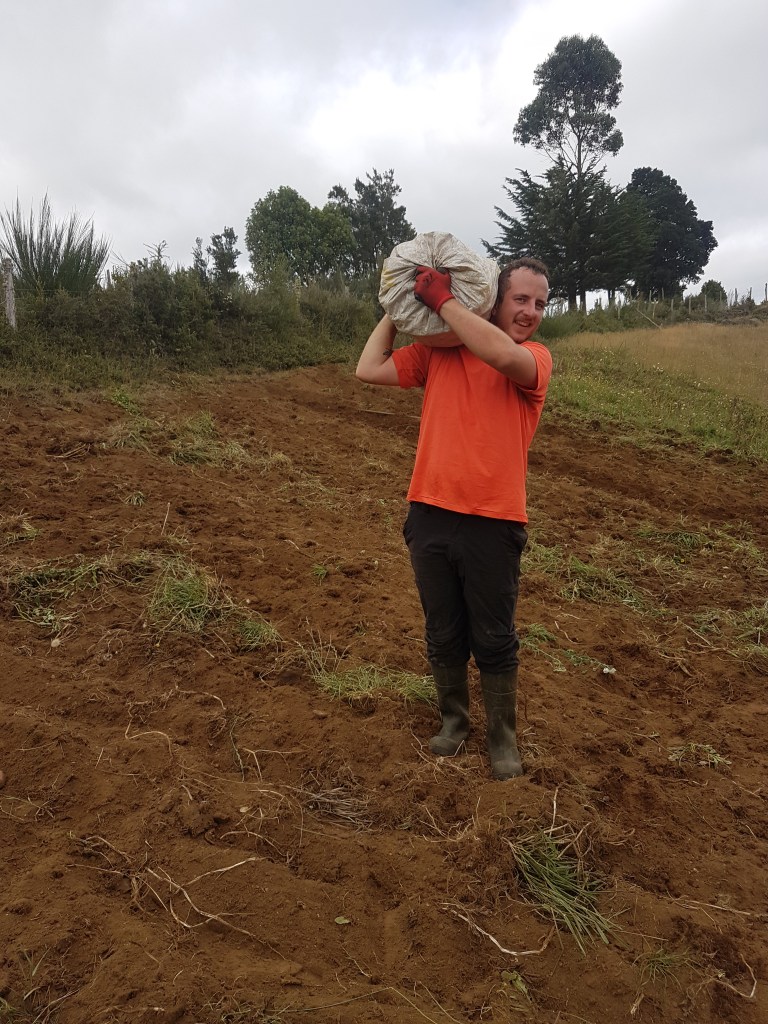
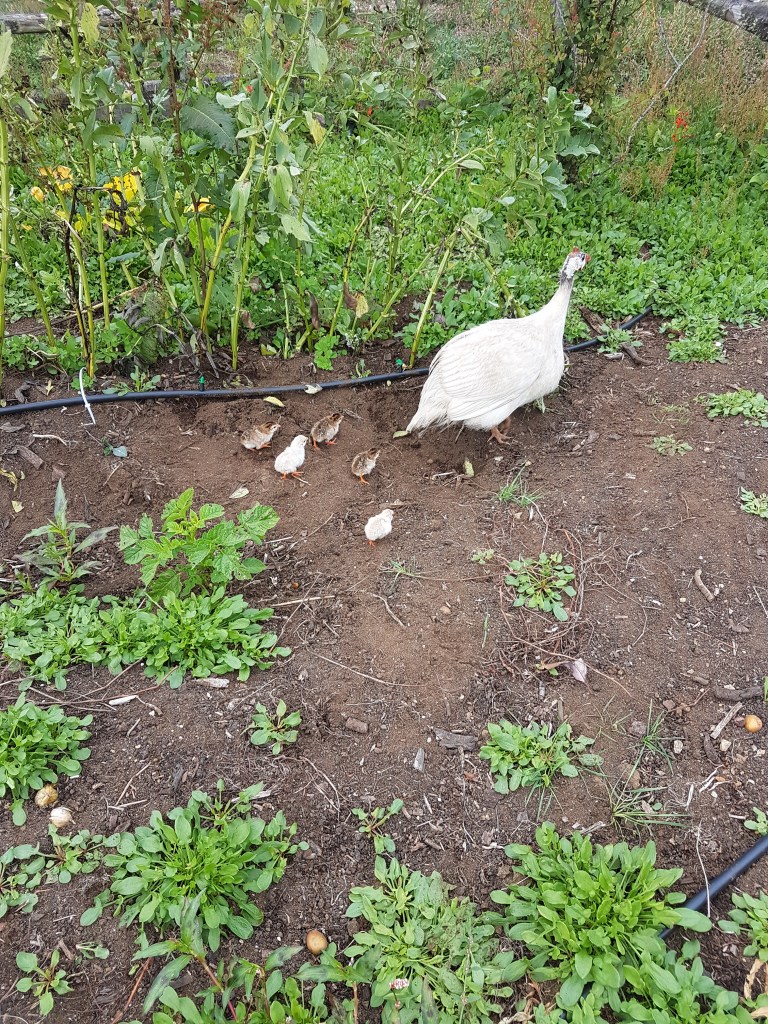
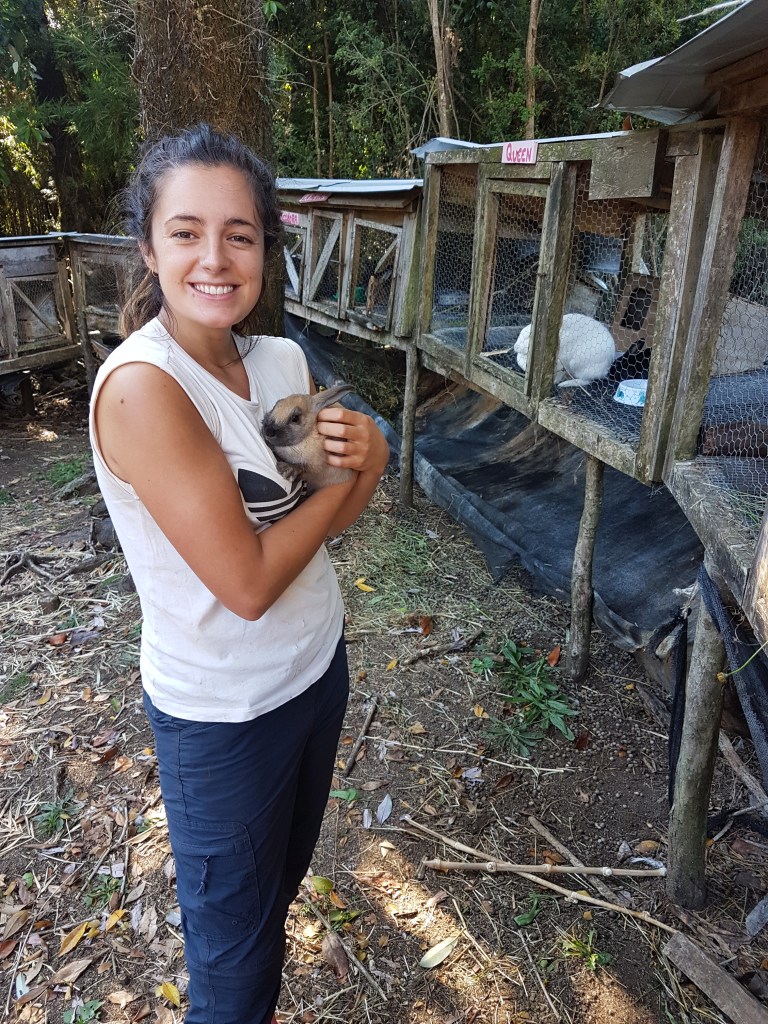
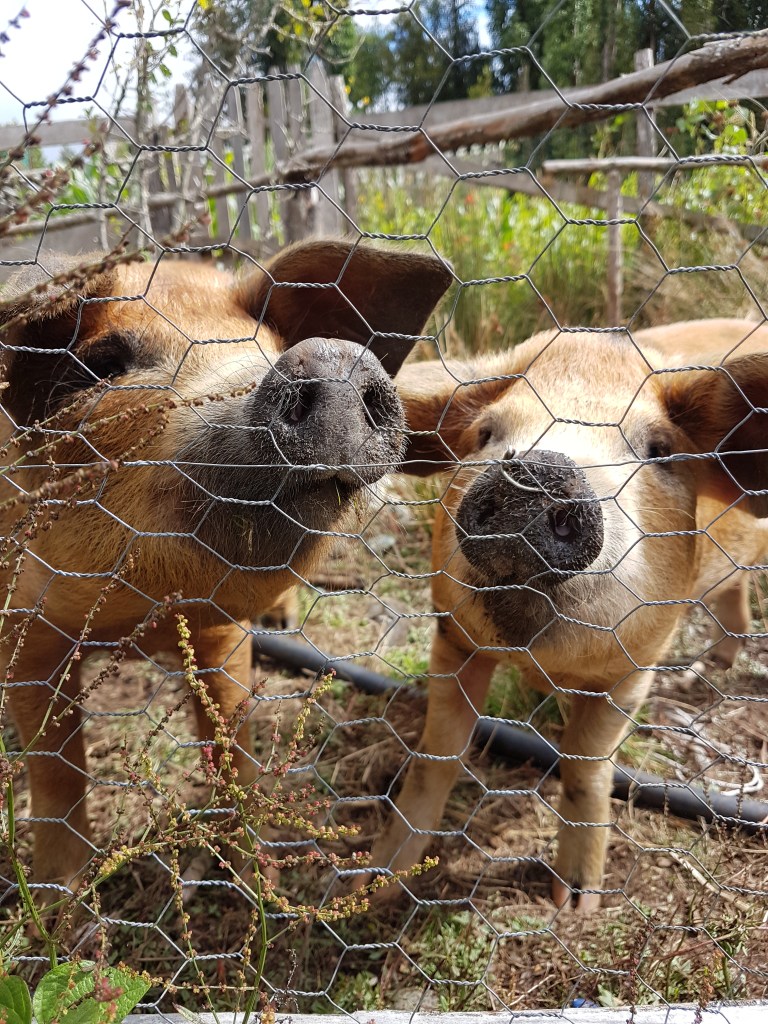
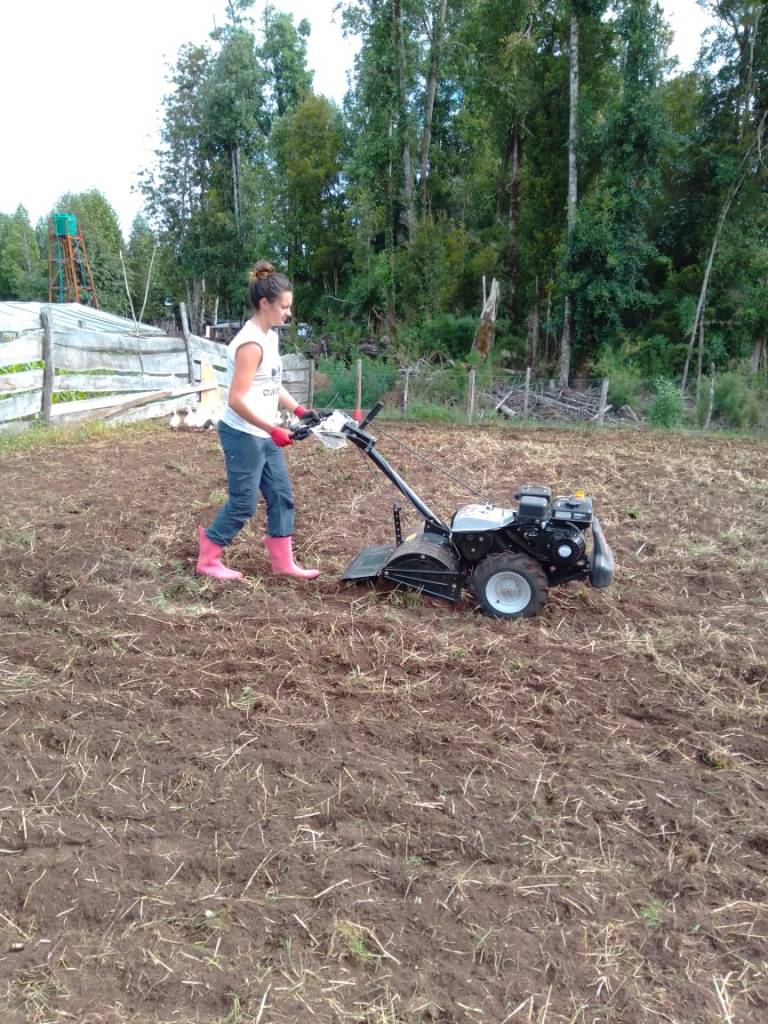
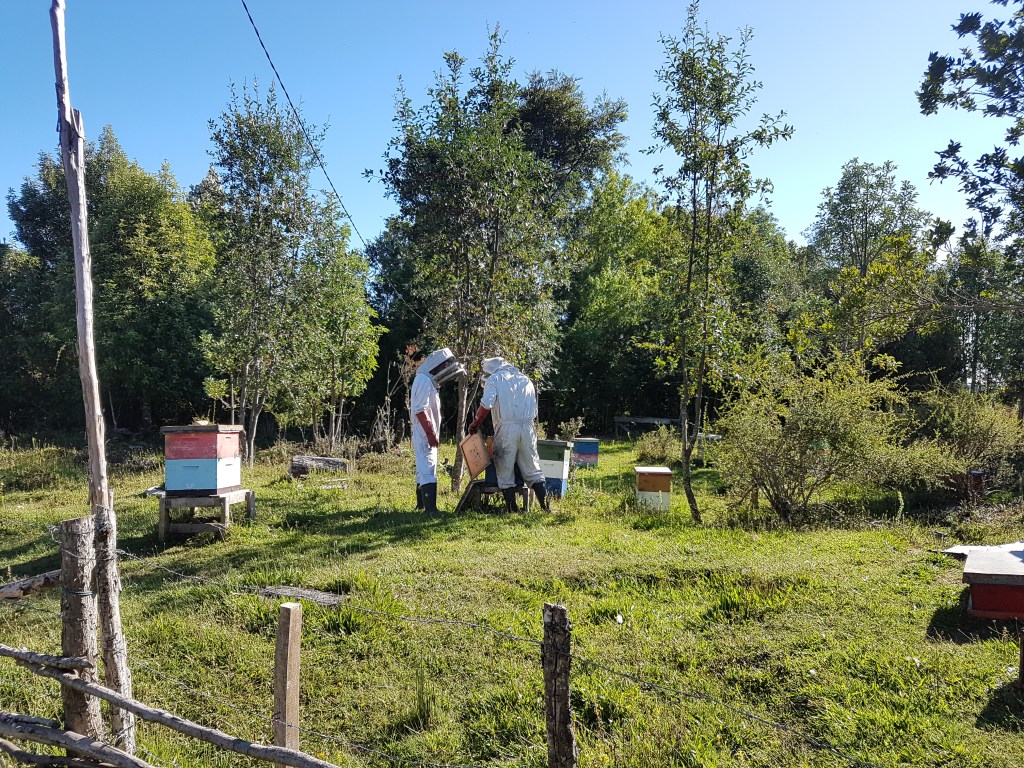
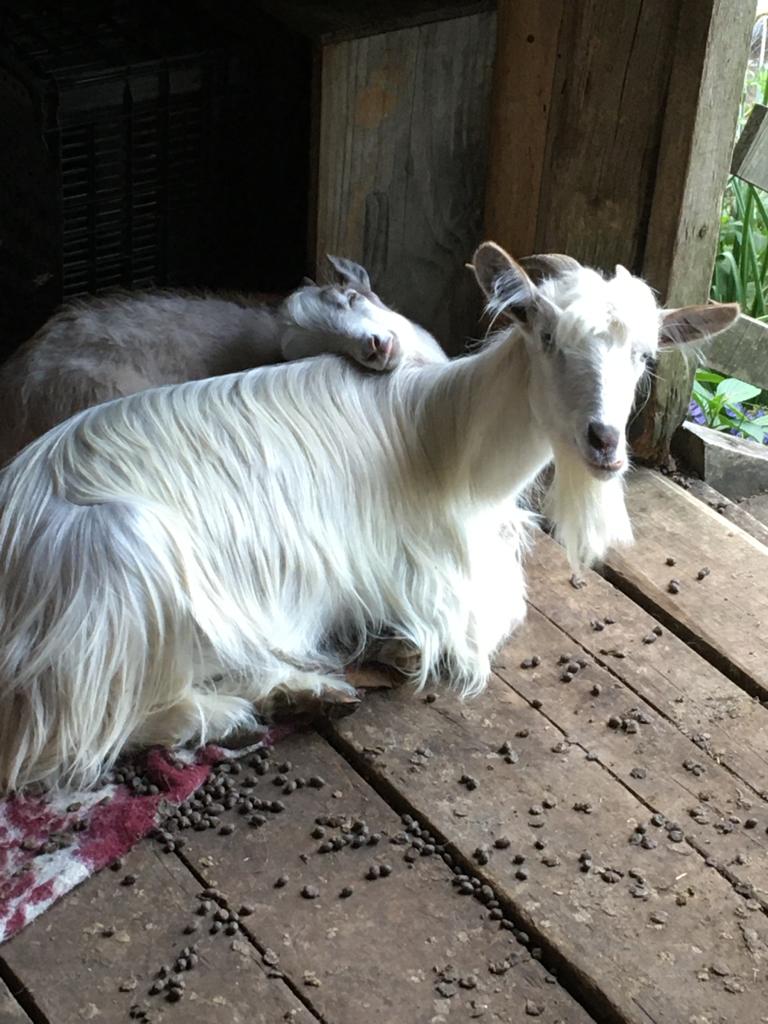
Living on a rural farm was such a new experience for the two of us. Our hosts kept many animals – chickens, ducks, geese, rabbits, goats, pigs, bees etc etc – and maintained a huge amount of home-grown fruit and vegetables. We were very inspired by their efforts of self-sustainability; they harvested enough food for themselves and the volunteers during the working months, a reserve for the winter months and then would sell anything remaining in the local market. During our stay we harvested massive amounts of famous Chiloean garlic and potatoes to sell. Our other tasks involved ploughing fields and planting oats, general maintenance around the farm and one of the more challenging tasks for Josh who had to (attempt to!) catch and carry three goats and several huge, terrifying geese to be taken away from the farm.
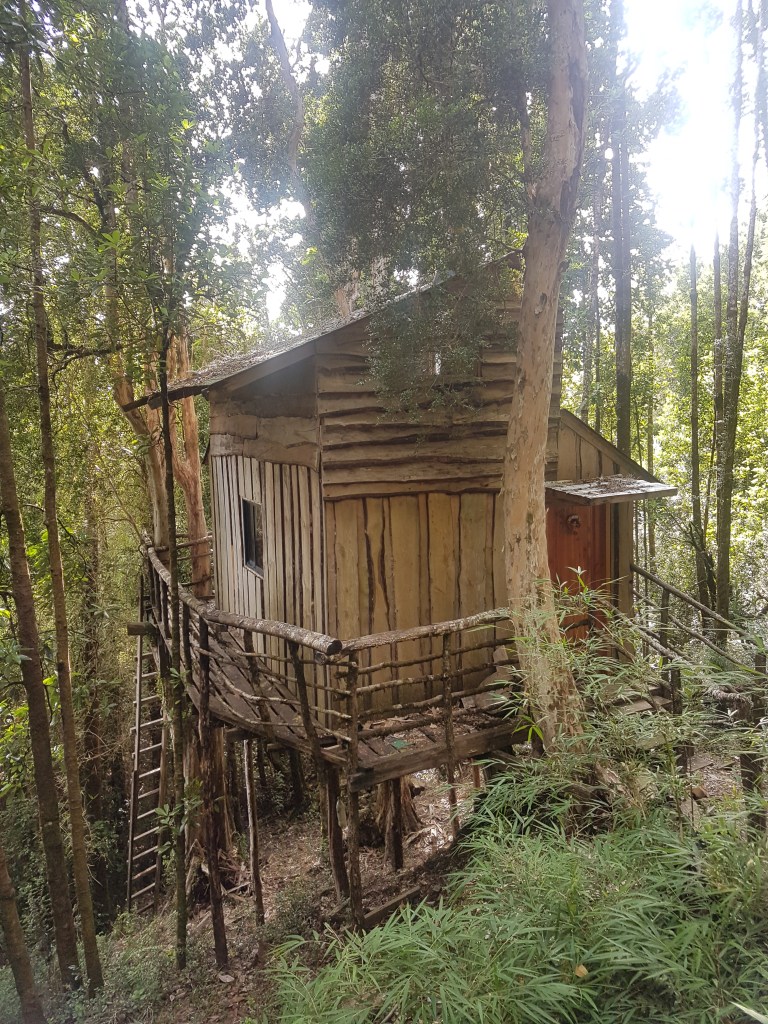
Our hosts, Katya and Luís, were quite traditional and so our roles were very different – a LOT of heavy lifting for Josh while Lisa was in charge of feeding the animals and watering plants. The work was very tiring but we made up for this by spending the afternoons watching films by the log fire (the weather was also very English – lots of rain!). As Katya trained as a chef, the food was delicious. It was also very fresh – for our final meal, we watched a tiny local lady effortlessly murder one of the chickens to be used in our lunch of ‘cazuela’ (which certainly opened our eyes and made us question our future food choices (although vegetarianism is virtually impossible in these parts!)). Our accommodation at the farm was a beautiful (but very basic) treehouse in the middle of the forest.
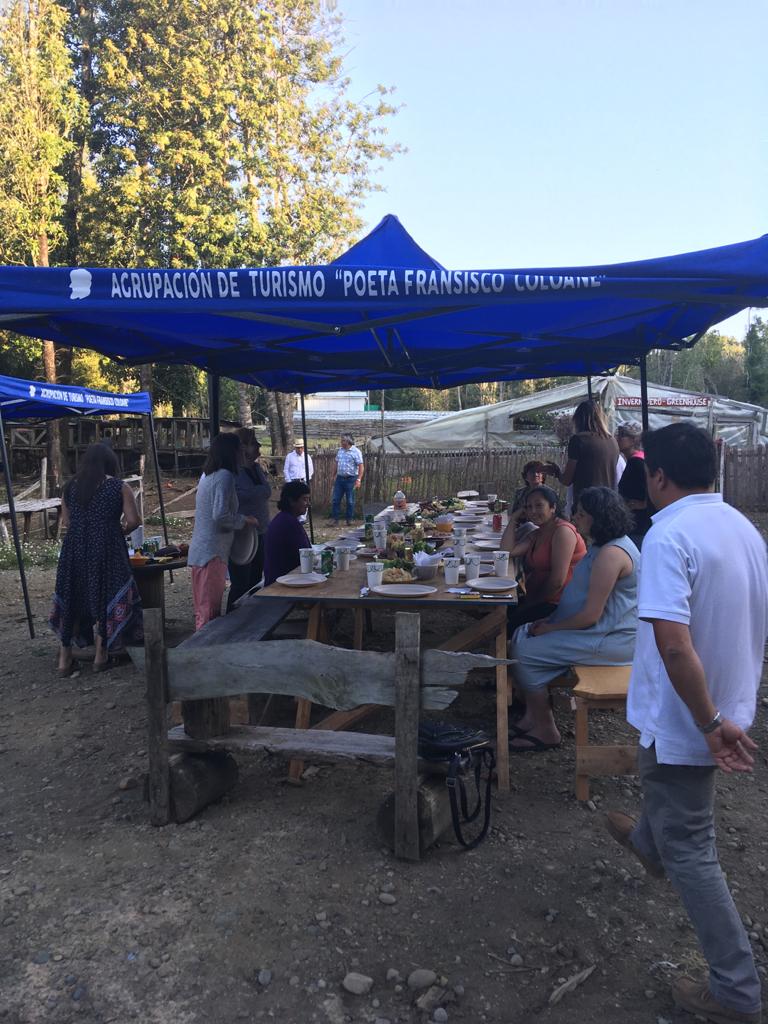
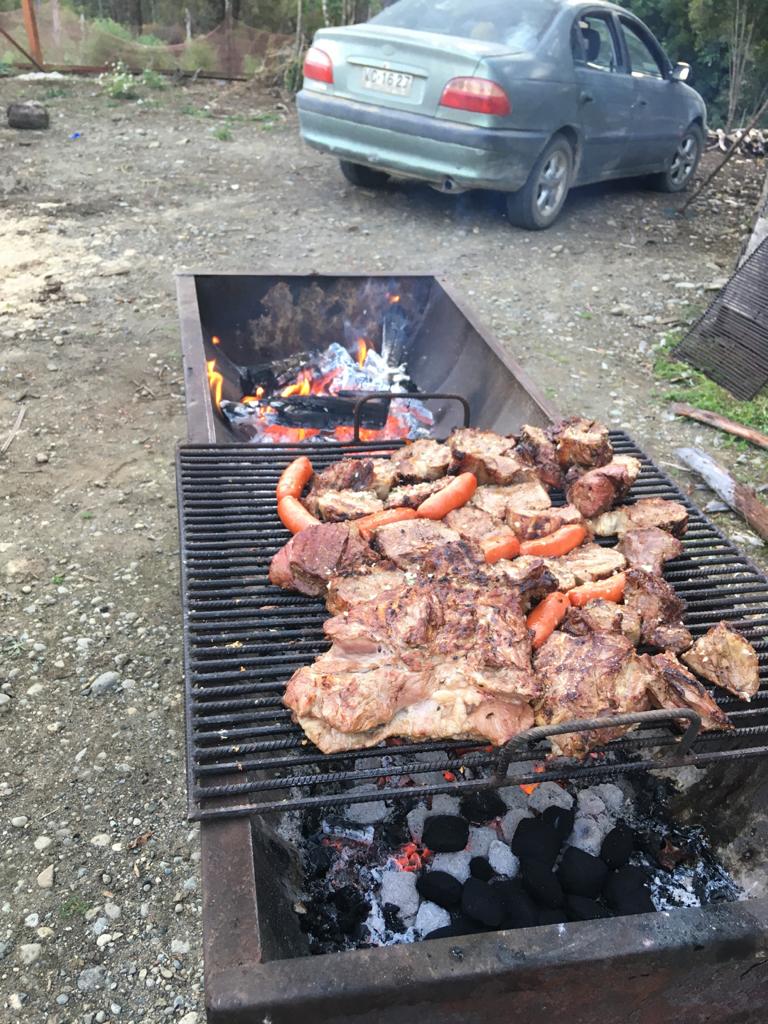
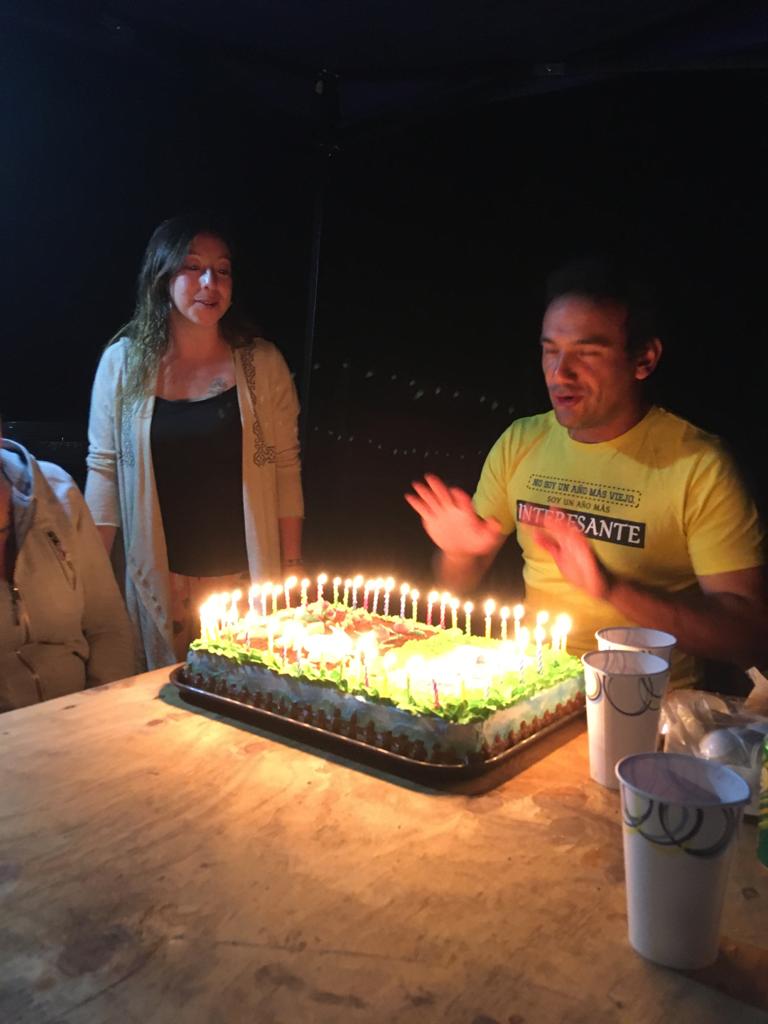
Our weekend at the farm involved Luís’ 40th birthday celebration for which we built tables and benches for the 30 guests (which amazingly held up for the whole night). We were rewarded with a big Chilean party featuring lots of alcohol, music and a typical ‘asado’ barbeque with some very fresh meat (the cow came from the farm next door and was killed the night before the party!).

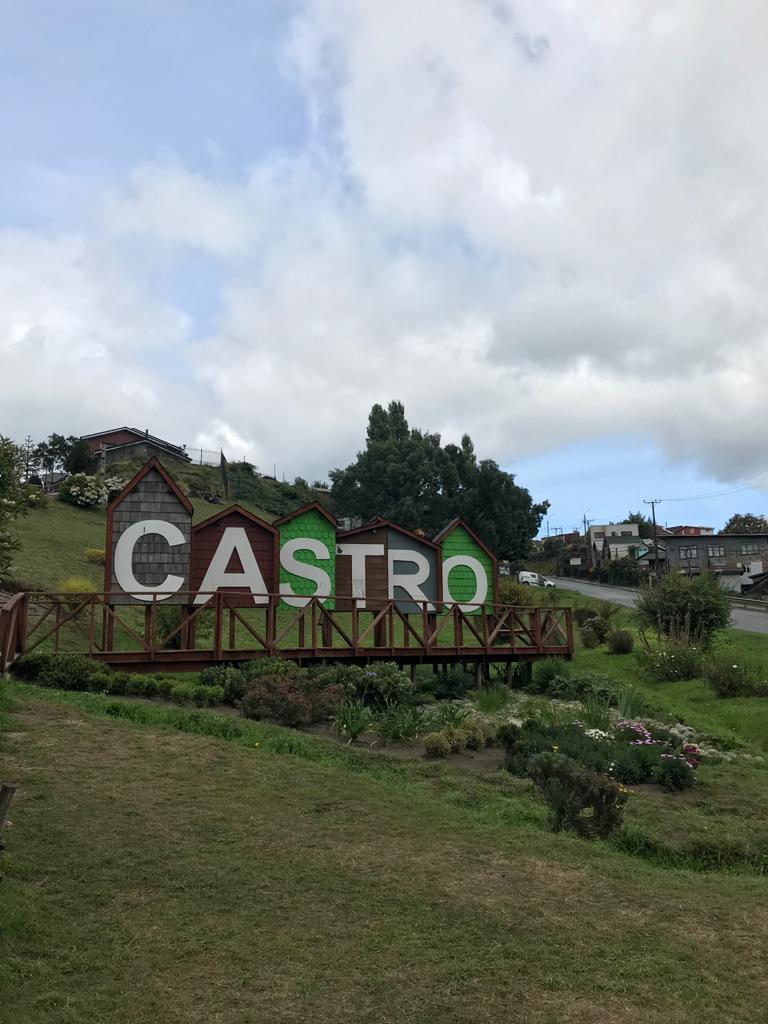
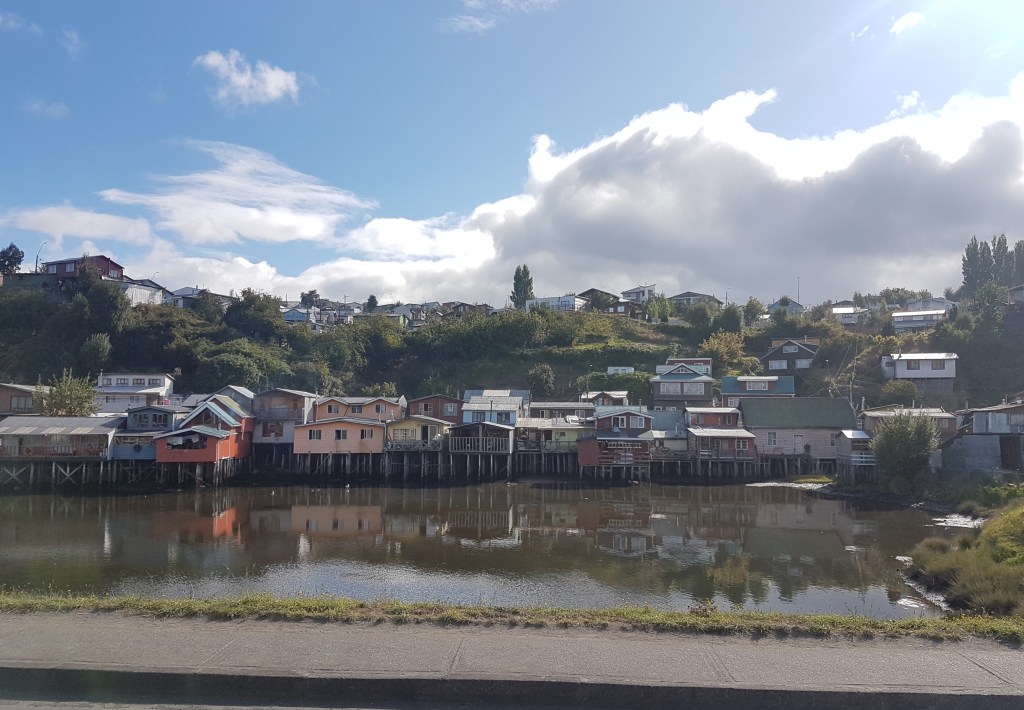
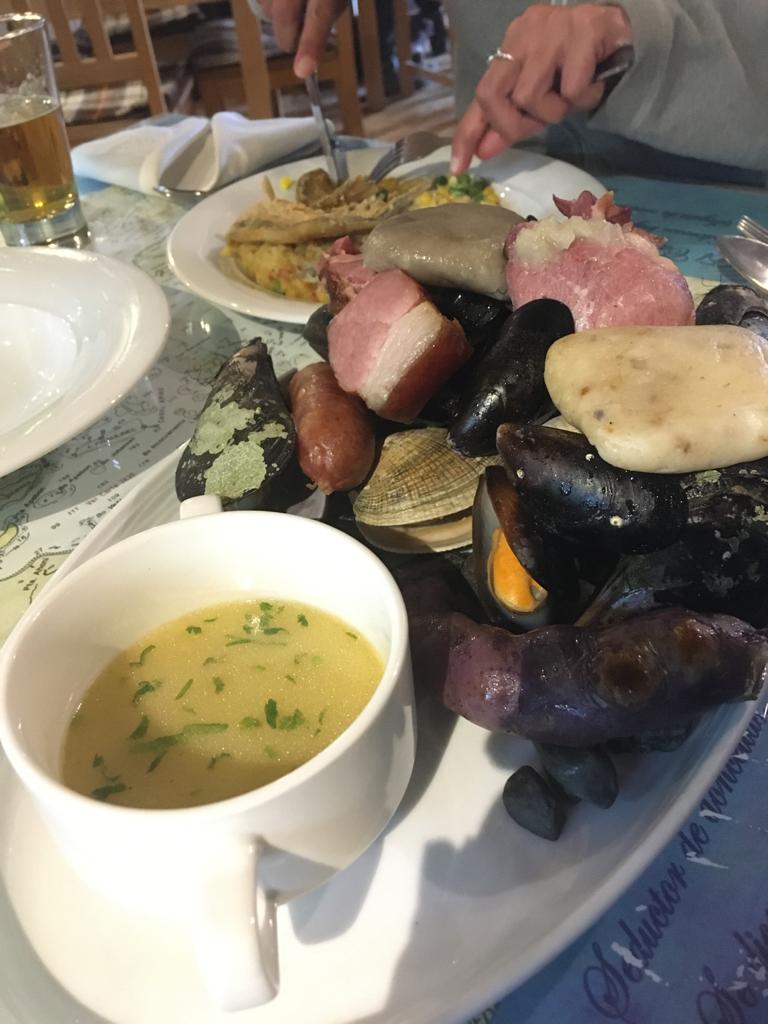
During our stay in Chiloe, we visited the city of Ancud and the capital of the island, Castro, where we enjoyed a walk around the town to see its colourful houses on stilts on the water and tried the local staple Curanto which consists of seafood, meat and potatoes traditionally cooked in a hole underground.

Our 2nd workaway was a fantastic experience – we learnt so many new skills and we were very happy to have been able to visit Chiloé island with its very distinct culture, traditions and scenery.

Next stop: Pucón.

Bariloche, Argentina & Puerto Varas, Chile

Bariloche

Leaving South Patagonia we travelled 1500 km north to Bariloche – a quick 24 hr coach journey! And yet, we’re still in Patagonia!

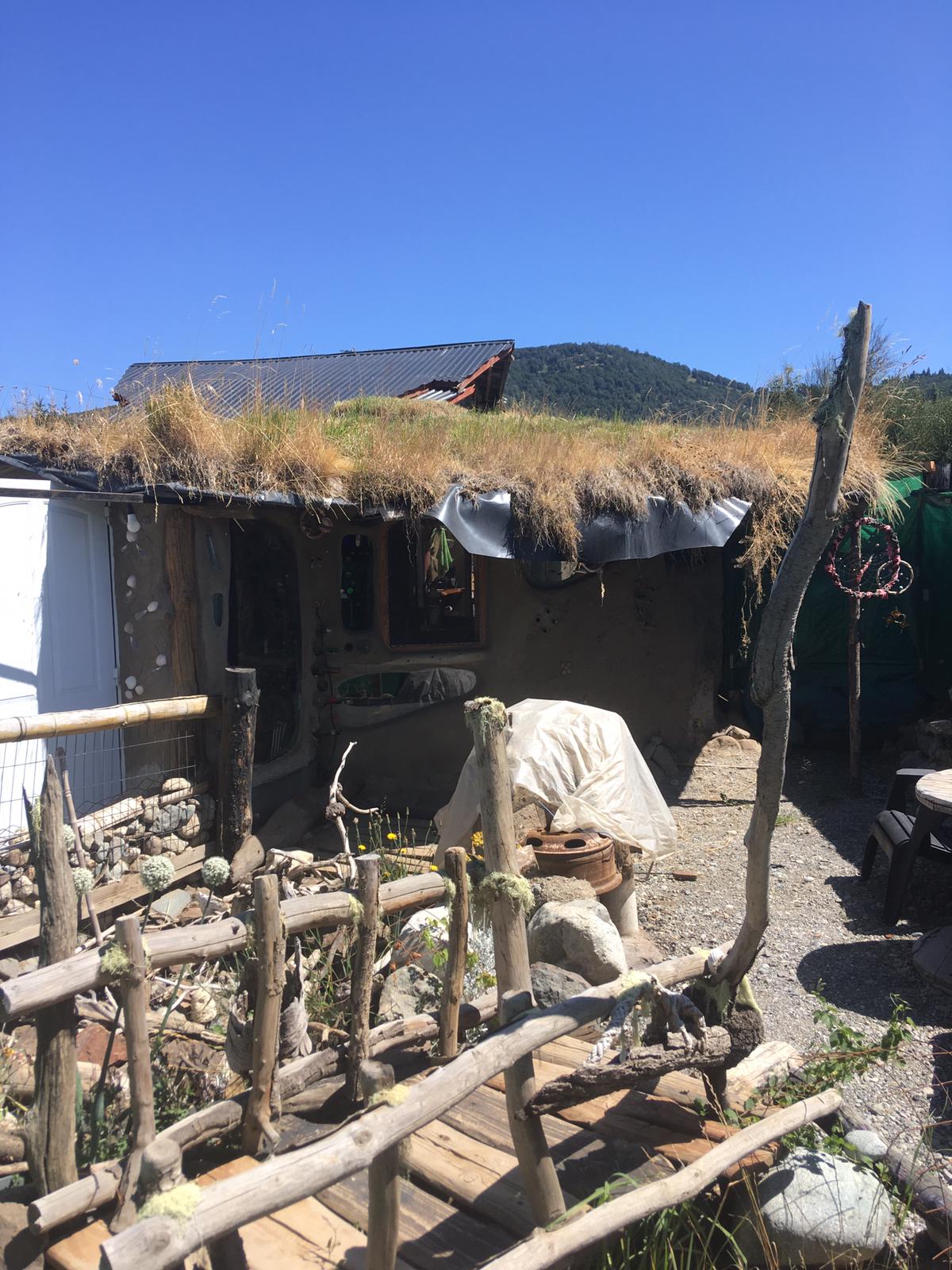
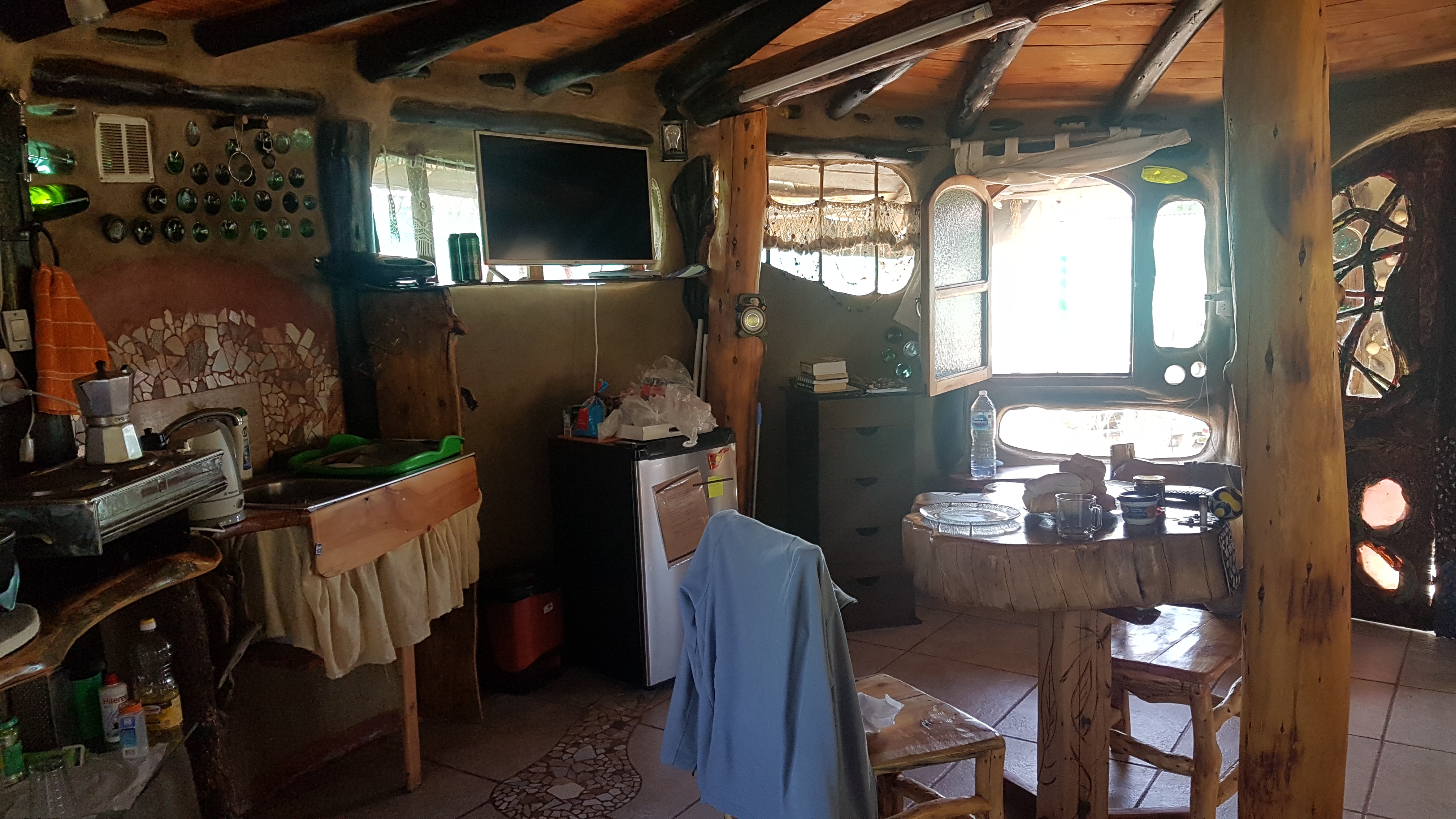
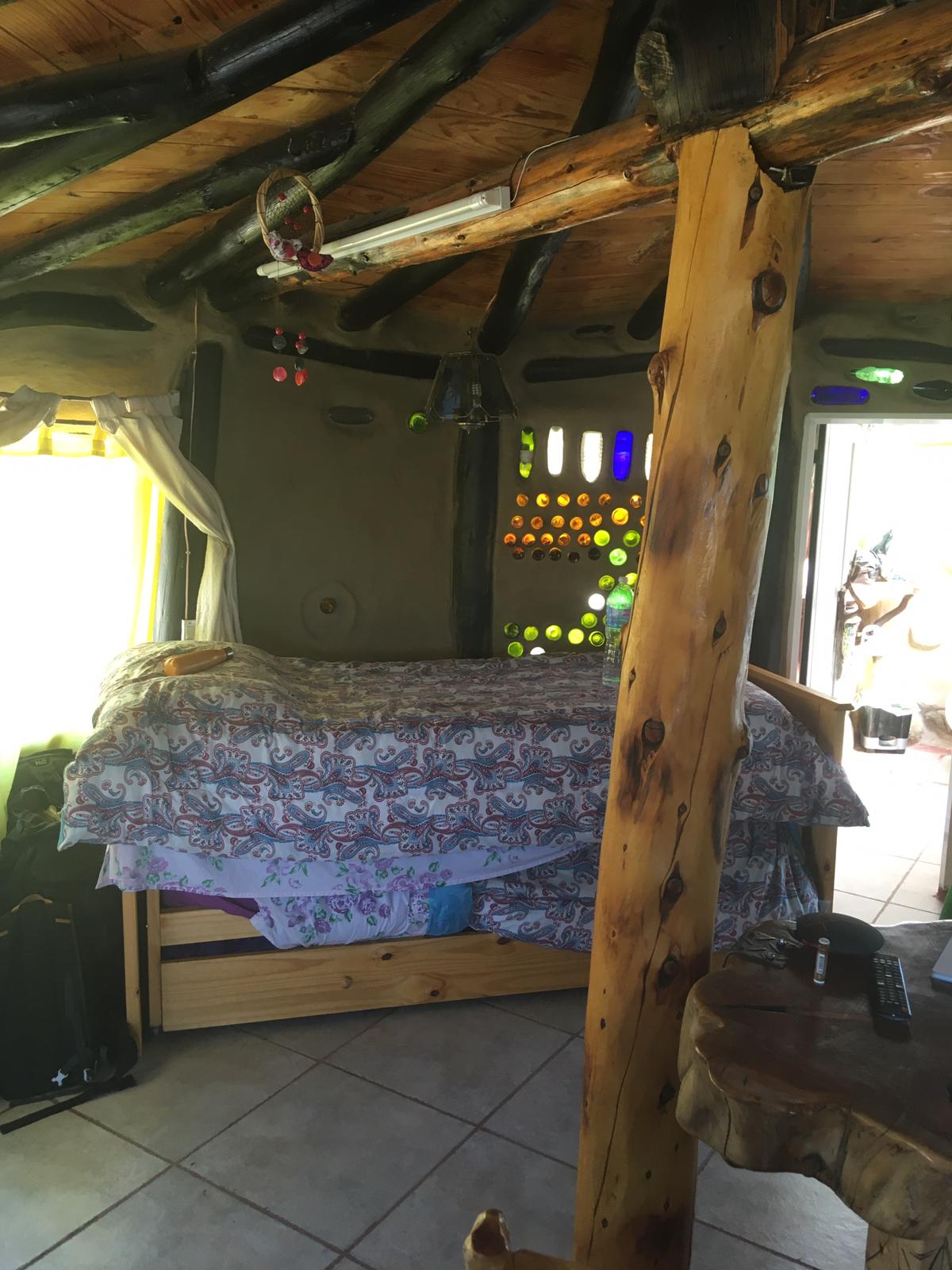
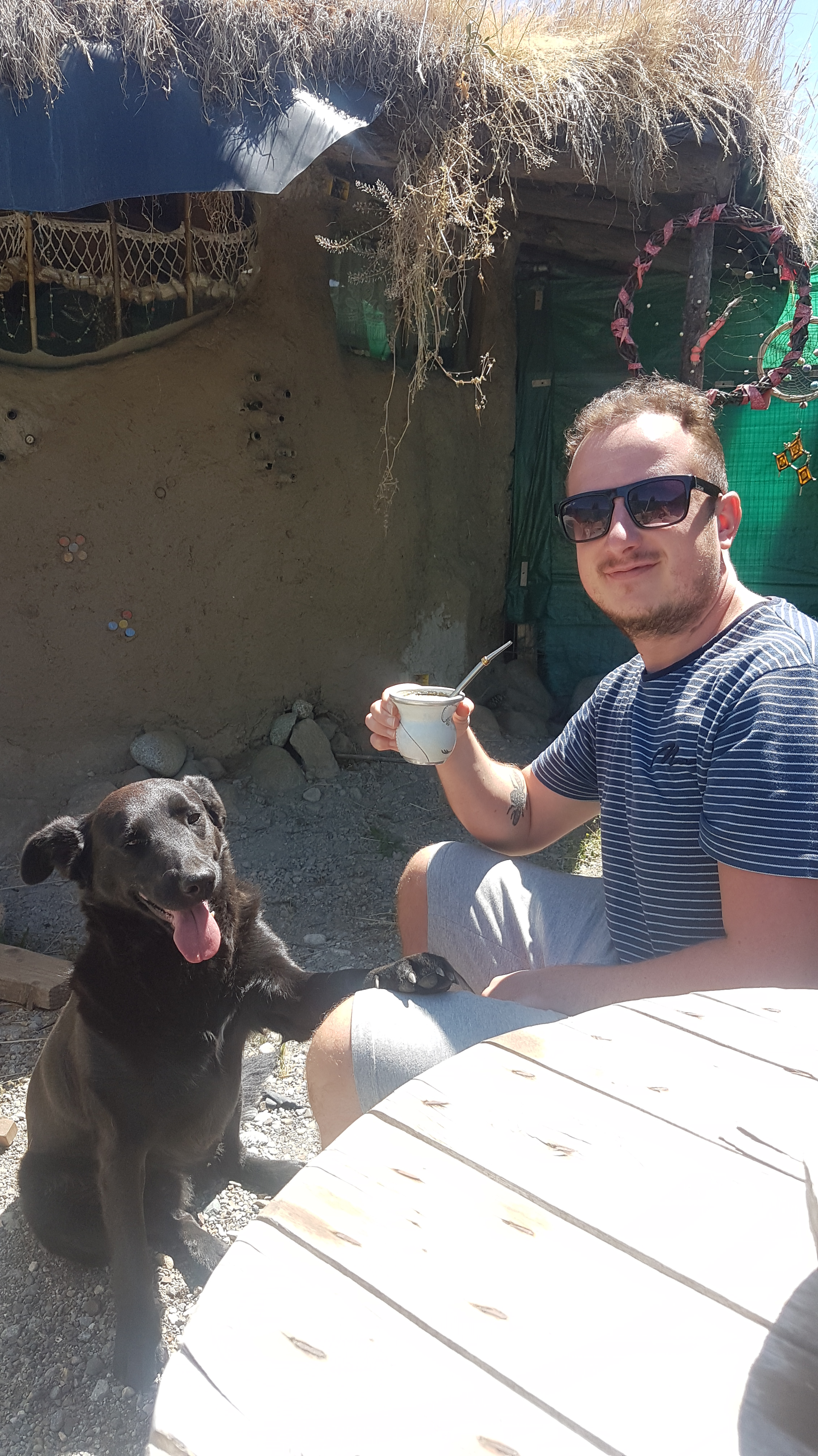
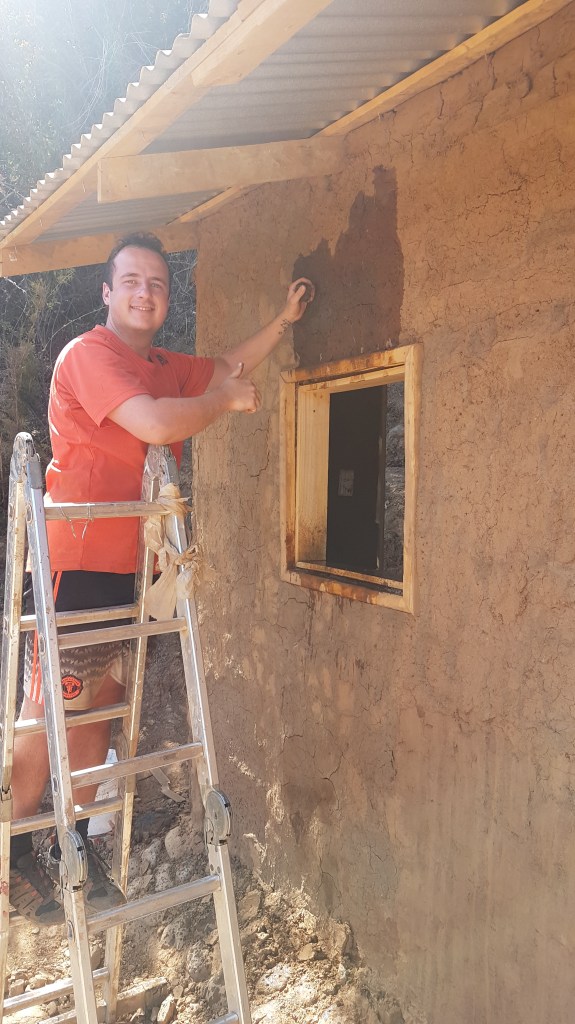
We had booked an Earth house outside of the city for our first 3 nights (and then ended up booking a 4th night as we weren’t yet ready to leave!) – this was a perfect resting point following the bus journey and hikes in Patagonia. It was built using traditional (adobe) building techniques; using only natural materials such as mud and sand. After our brief experience using these techniques during the workaway in central Chile, we could really appreciate the hard work that must have gone into the project and it was good to see the finished article and just how creative it allows you to be. Our time here involved cooking some delicious food and chilling in the garden with several beers and with the company of the owners’ 5 dogs.

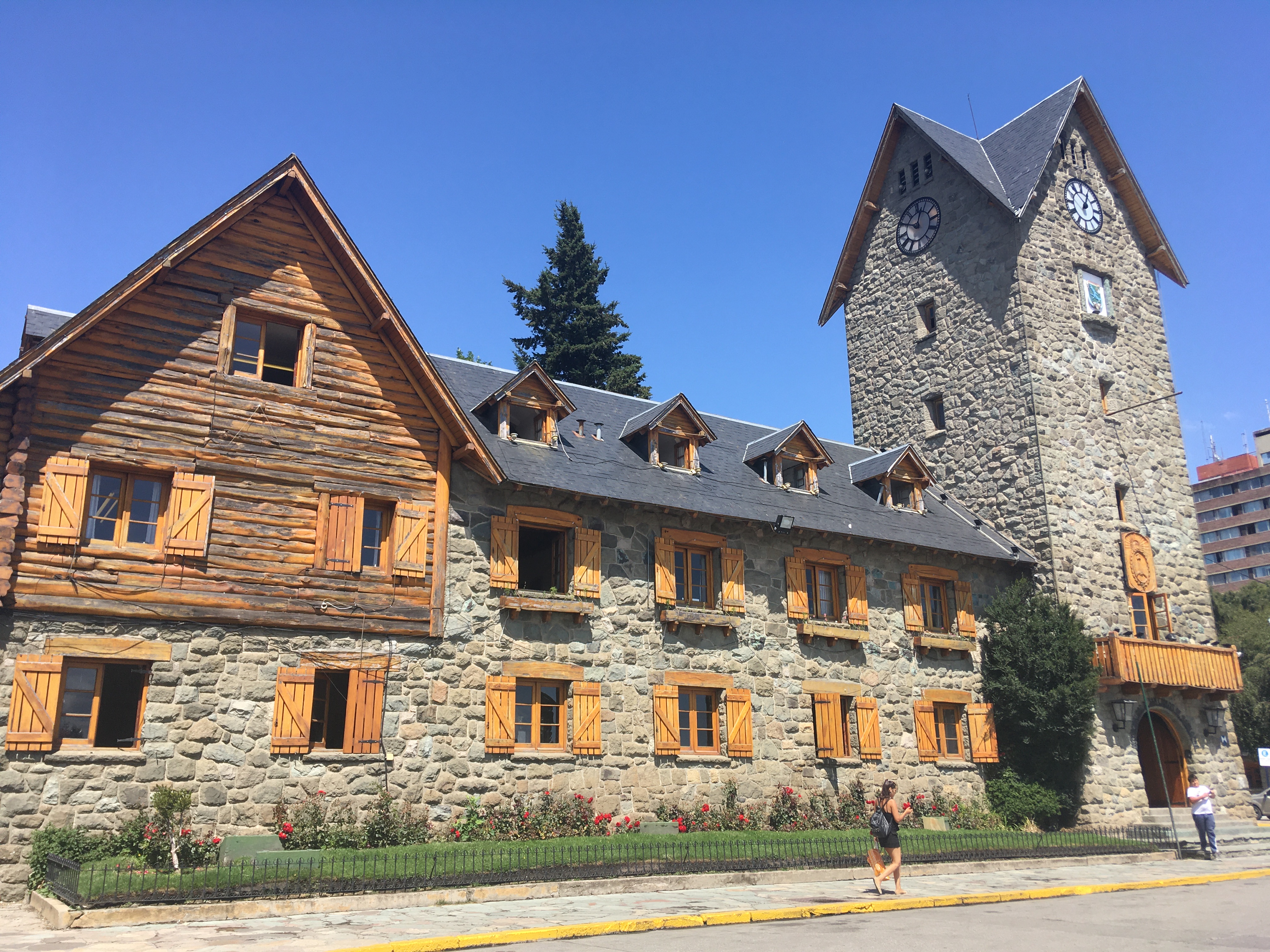
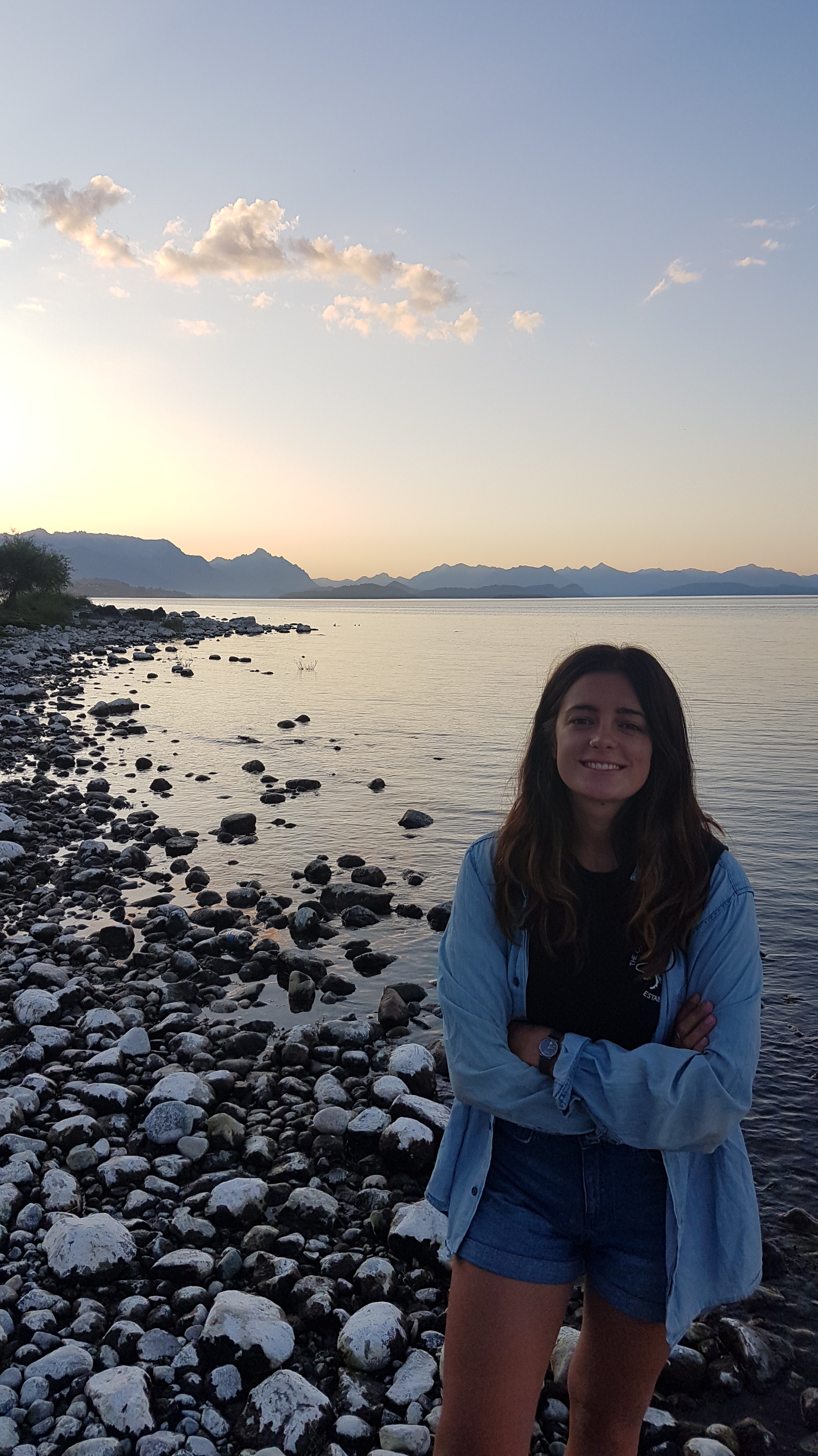
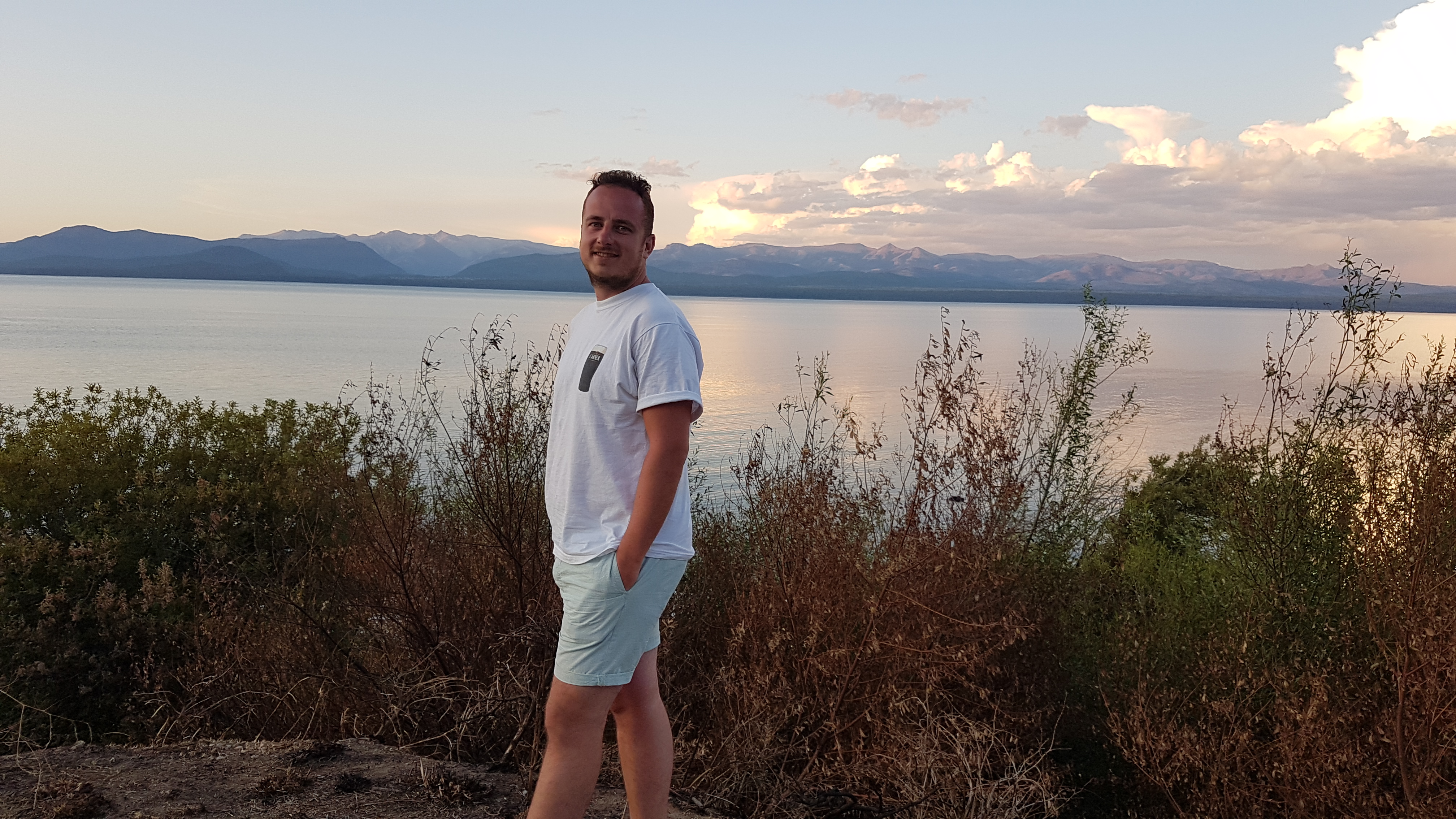
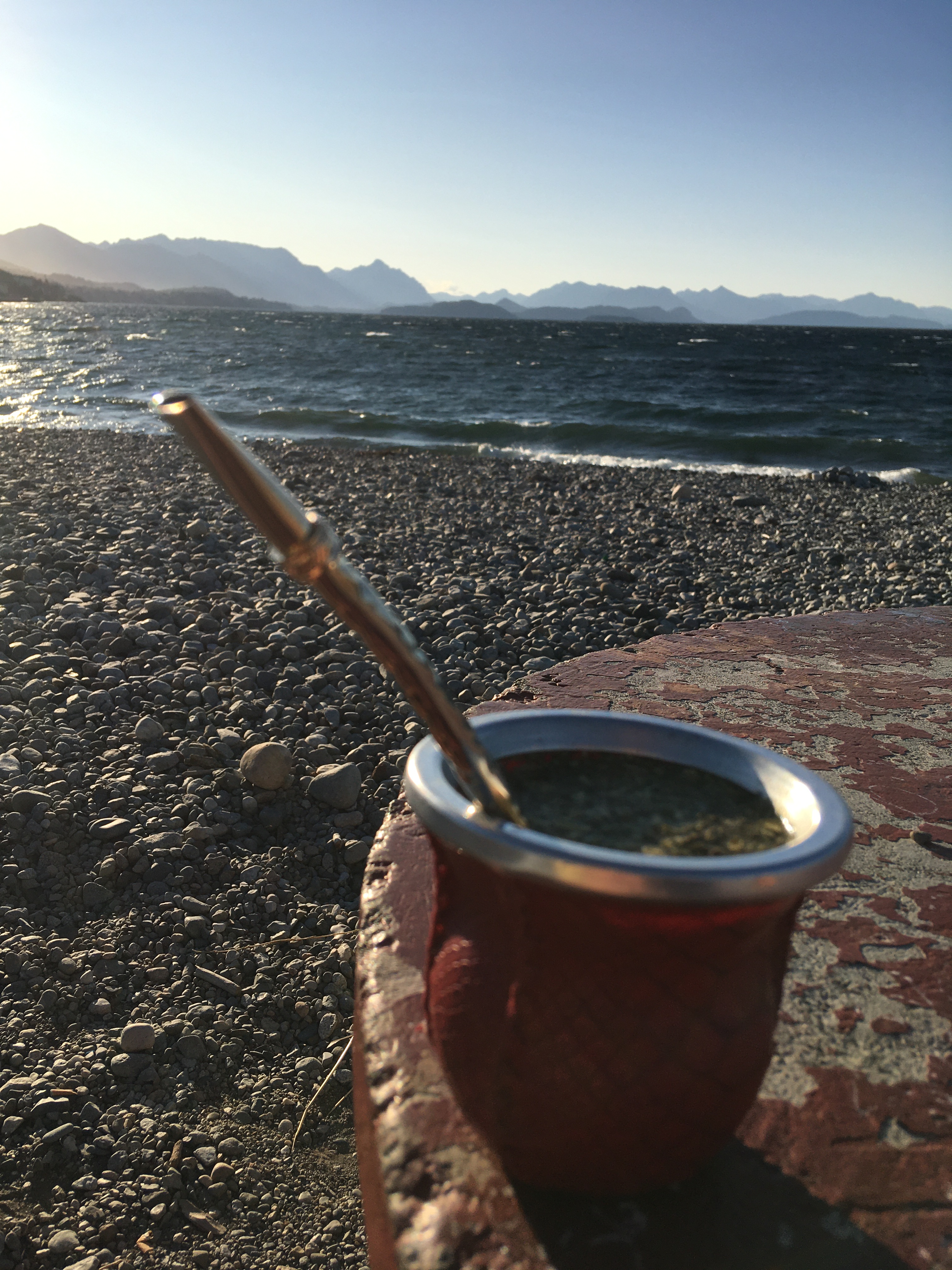
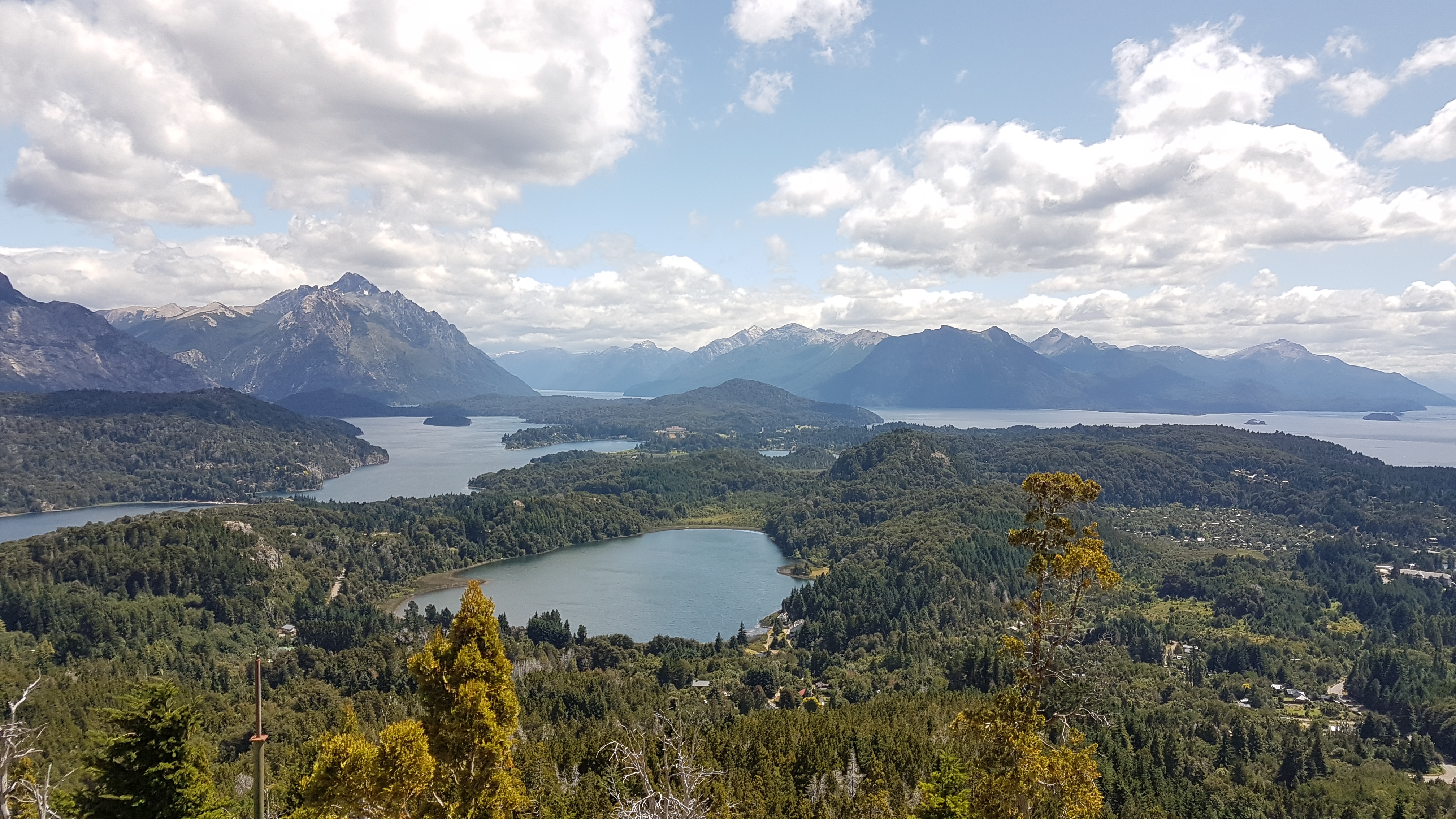
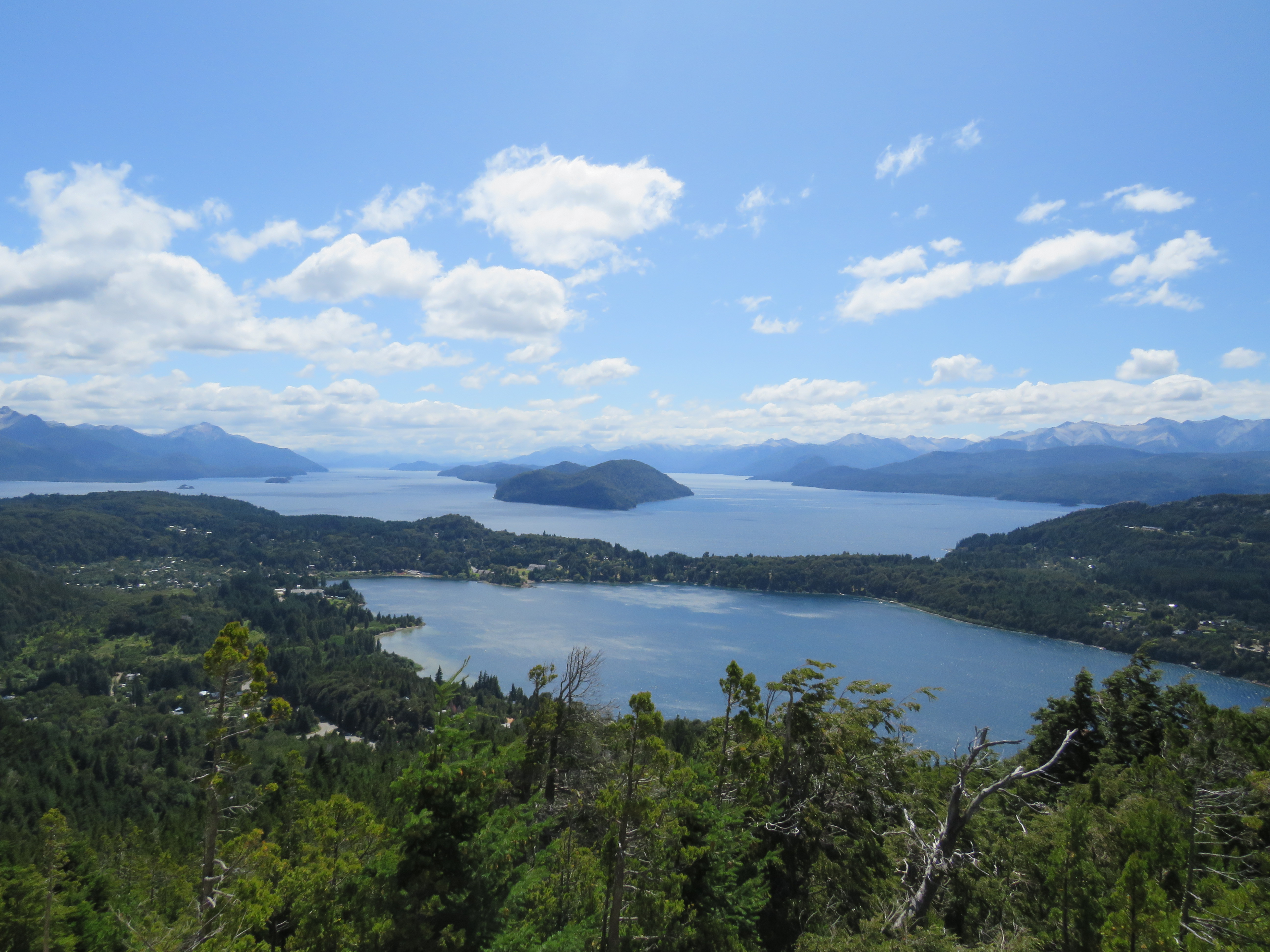
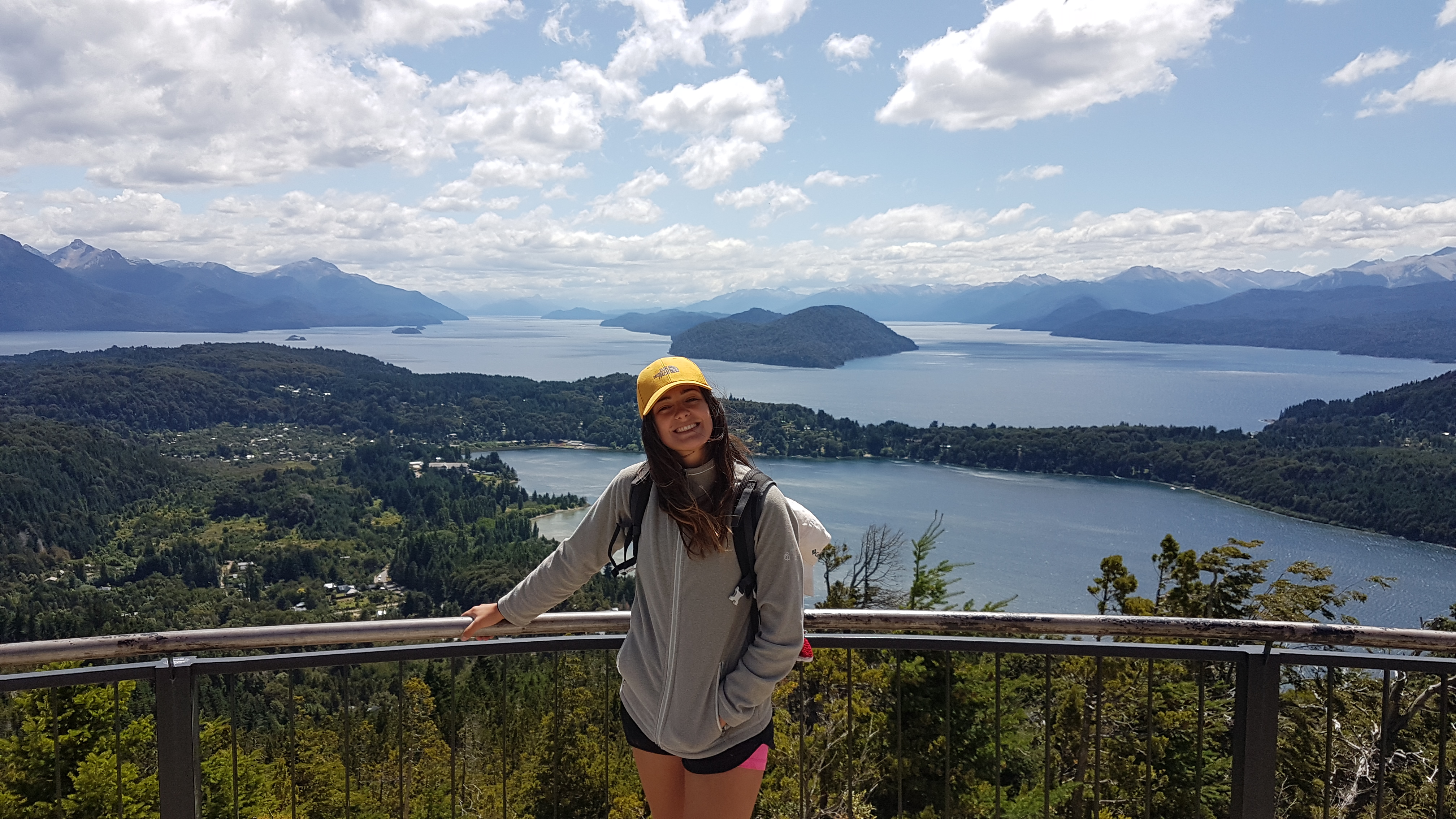
We were now feeling refreshed and ready to explore Bariloche; known as the “Switzerland of Argentina” for its lakes, hills, chocolate and Swiss architecture. We spent a lot of time sitting by the lake and enjoying the beautiful sunsets with some maté (an Argentinian staple – an infusion of dry leaves of yerba mate in hot water which you drink with a metal straw). We did also manage a couple of hikes (not quite to the same standard as those in southern Patagonia) but a nice leisurely stroll around Nahuel Huapi National Park which brought us to some incredible viewpoints.

Puerto Varas

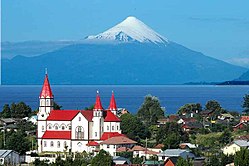
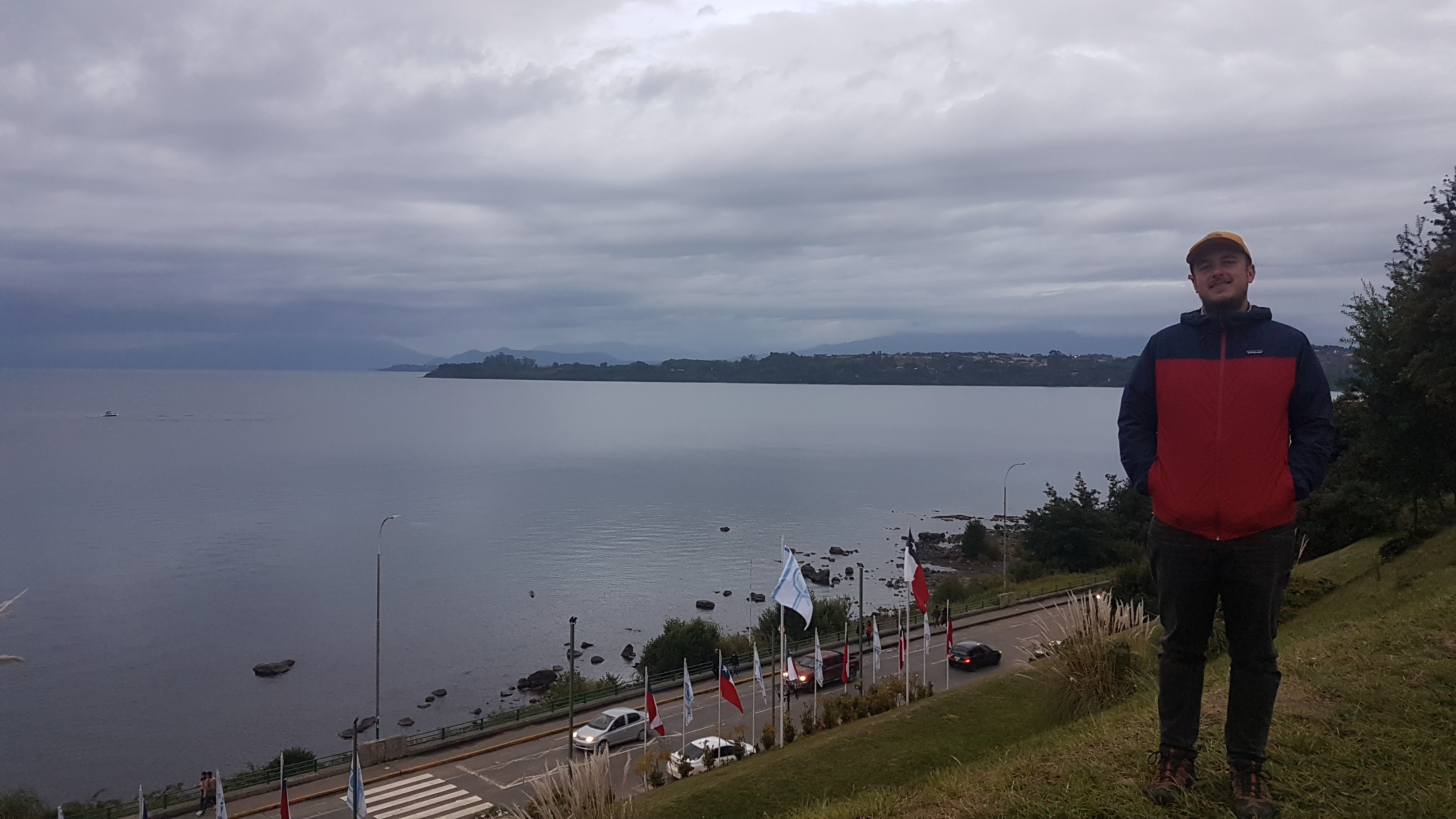
Afterwards, we took a bus across the border to Puerto Varas; a southern city in Chile’s Lake District. We were unlucky with the weather the weekend that we visited – we were supposed enjoy breathtaking views of the Osorno volcano across the lake (see Google photo below of what it should look like vs the reality of our view!!).* Although the weather wasn’t in our favour, we enjoyed a couple of days spent inside relaxing and catching up on Netflix. Our weekend was also salvaged by finding a delicious Thai restaurant – we had been craving spicy food for a while now on our travels (turns out Chile isn’t so keen on chillies!).

*We did, however, happen to finally see the view of the volcano from our next workaway on Chiloe island (120 km away)!

Patagonia, Chile & Argentina

This might be a long one so skip to the pictures if you’d rather… they’re beautiful!

We made it to Patagonia – probably the one place of our travels that we were most intrigued by and looking forward to.

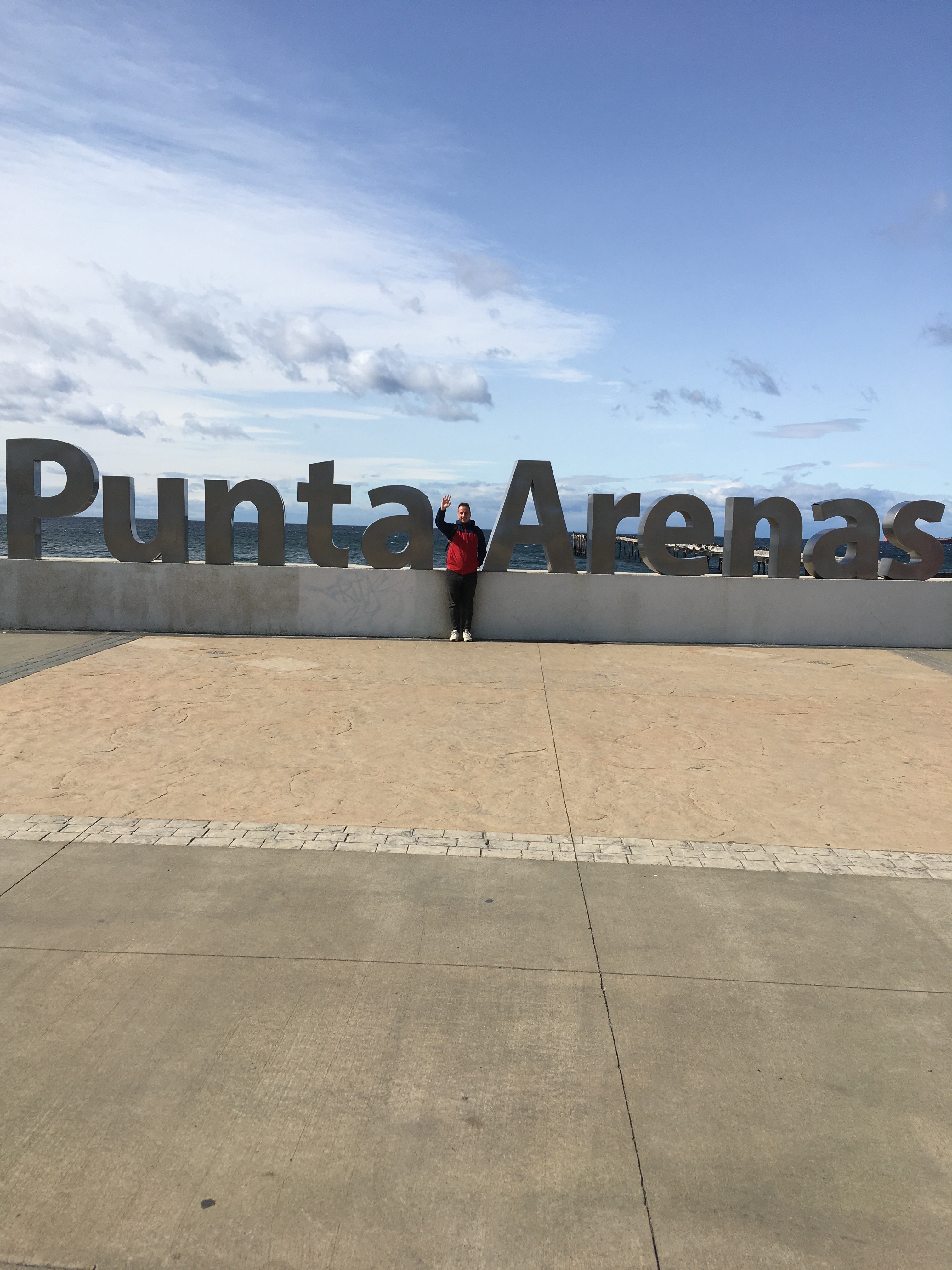
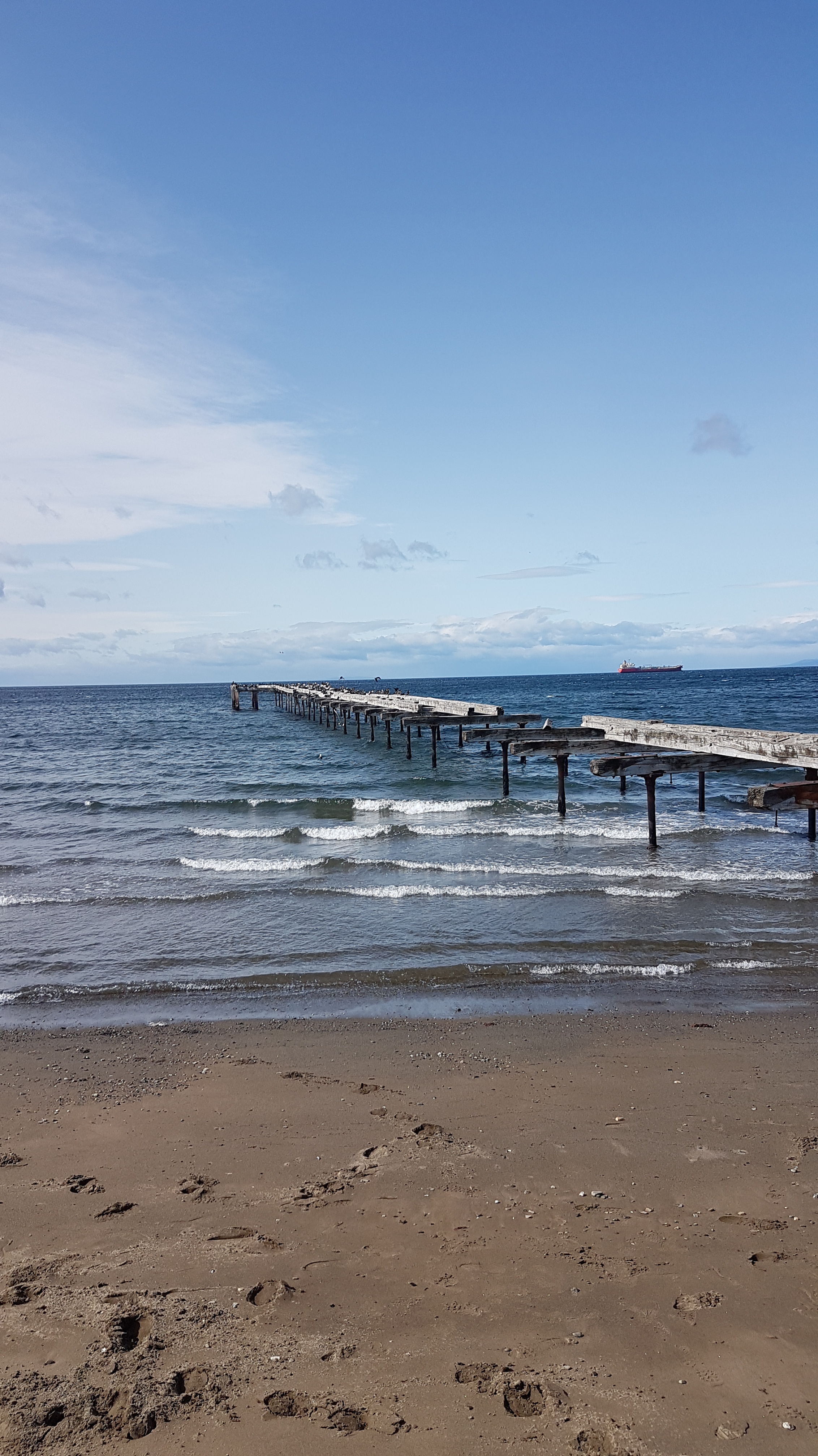
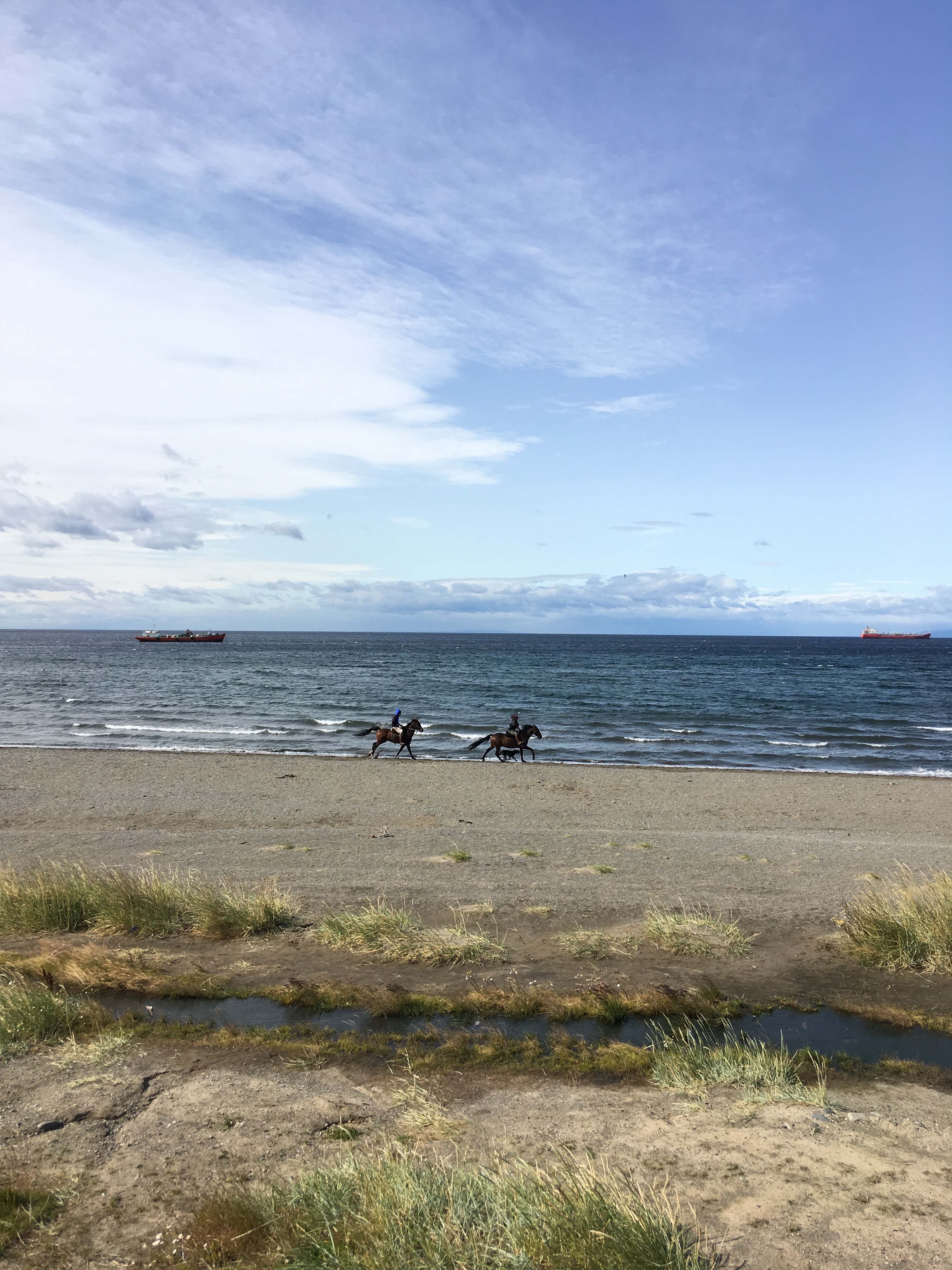
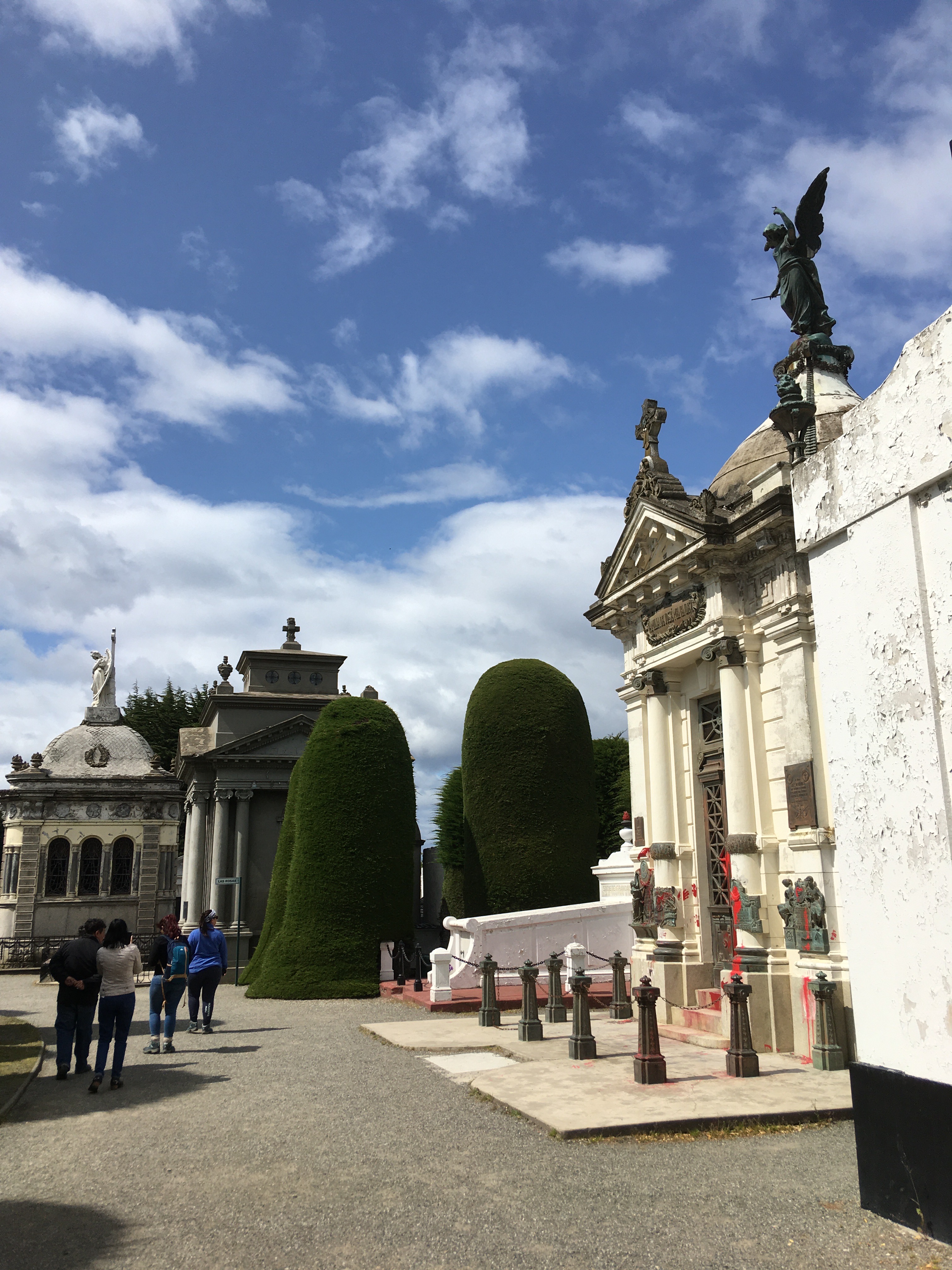
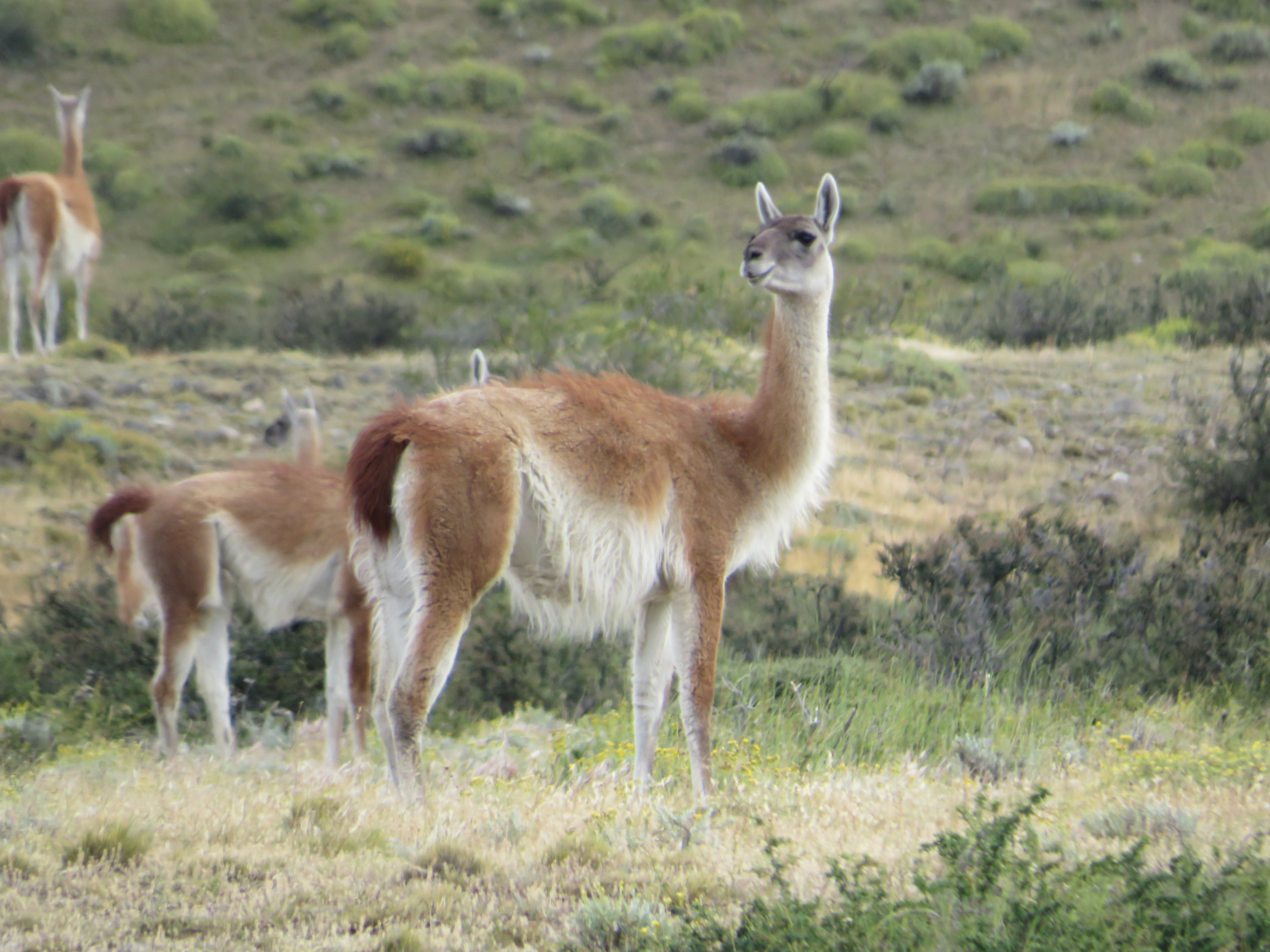
We flew into Punta Arenas in the far south of Chilean Patagonia (3000 km from Santiago, and 1500 km from PA to Antarctica!) – and wow, it was a huge contrast from everywhere else we’d been in the last 2 months. Cold, windy and drizzly; ideal for waking up after a night of very little sleep spent at Santiago airport! We spent just half a day here before travelling onward, so we took a long stroll along the waterfront, had some excellent brunch (including guanaco sausage, a type of llama), visited the cemetery* and had a pint of Austral – claimed to be the southernmost brewery in the world!

*visiting cemeteries is not a weird morbid fetish of ours, they are top attractions in many cities in SA due to the grand mausoleums within them.

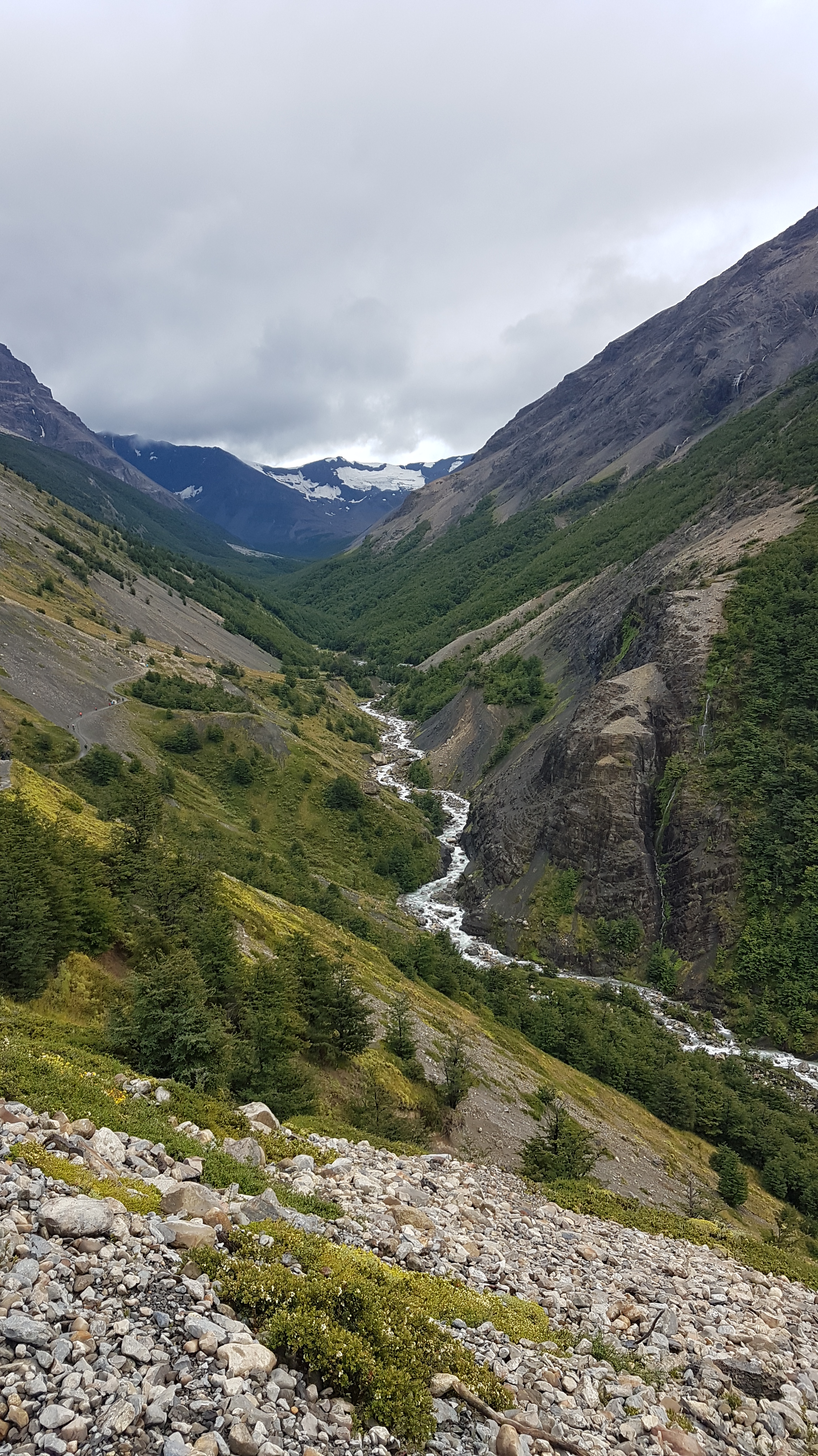
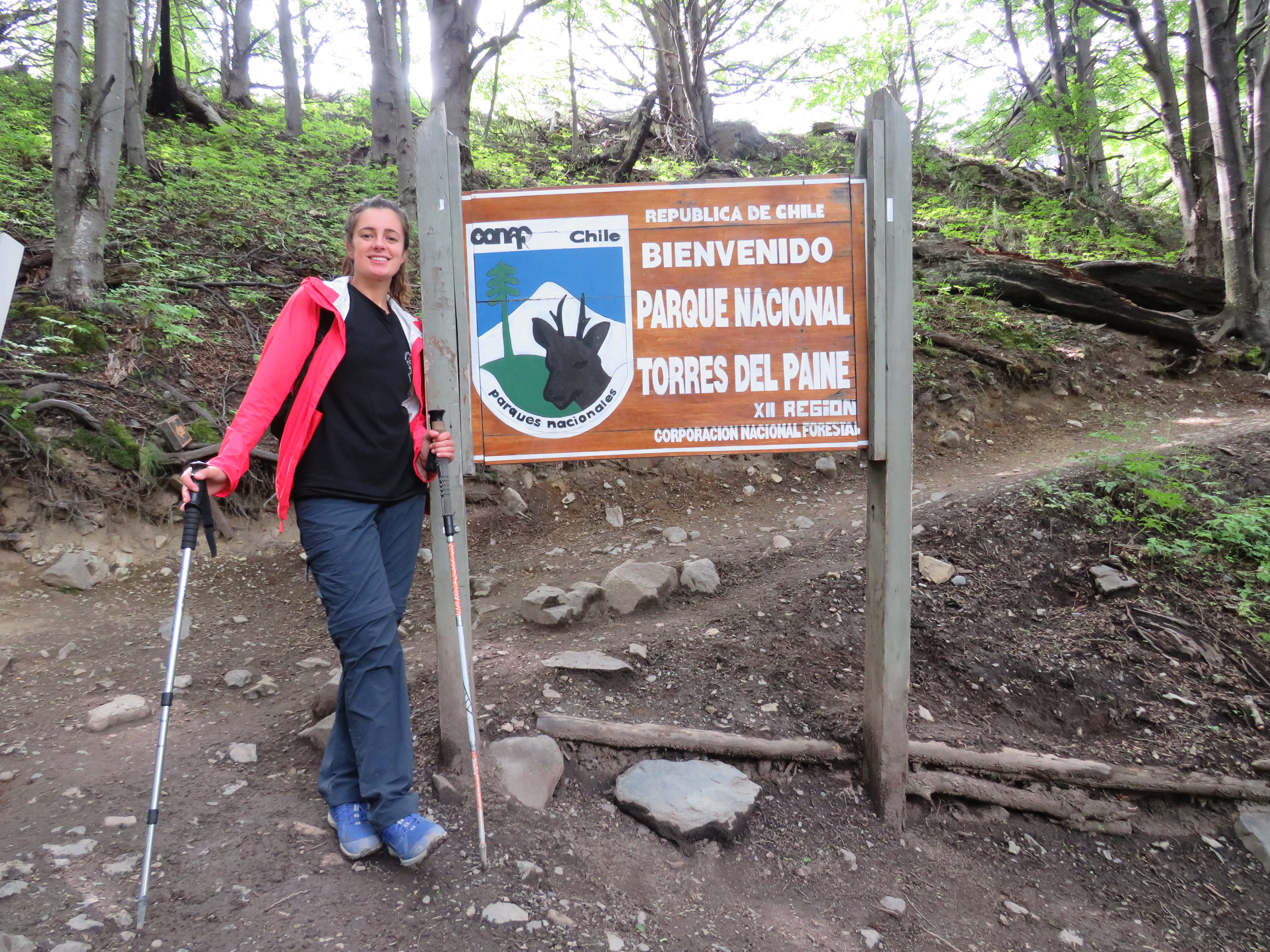
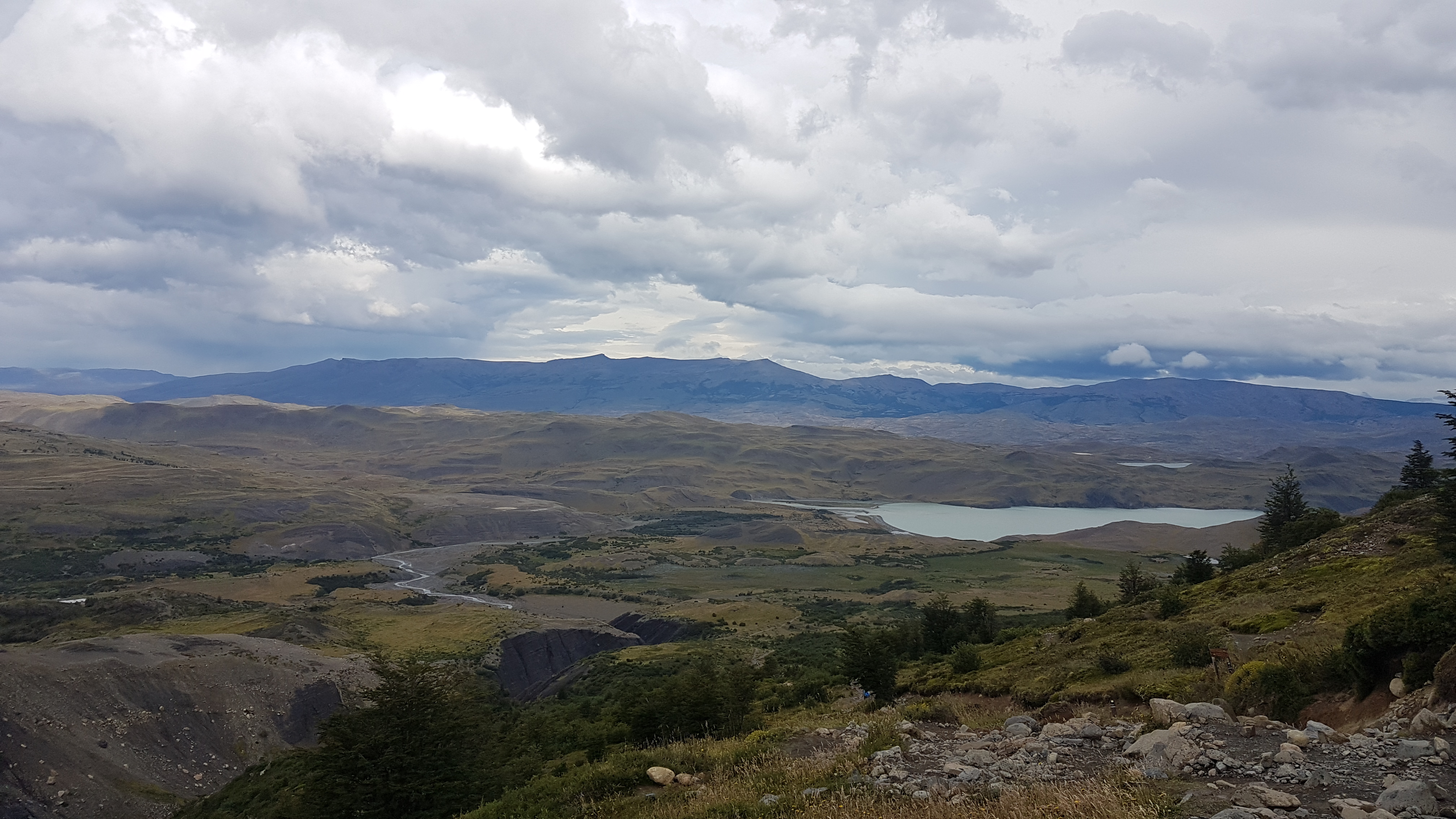
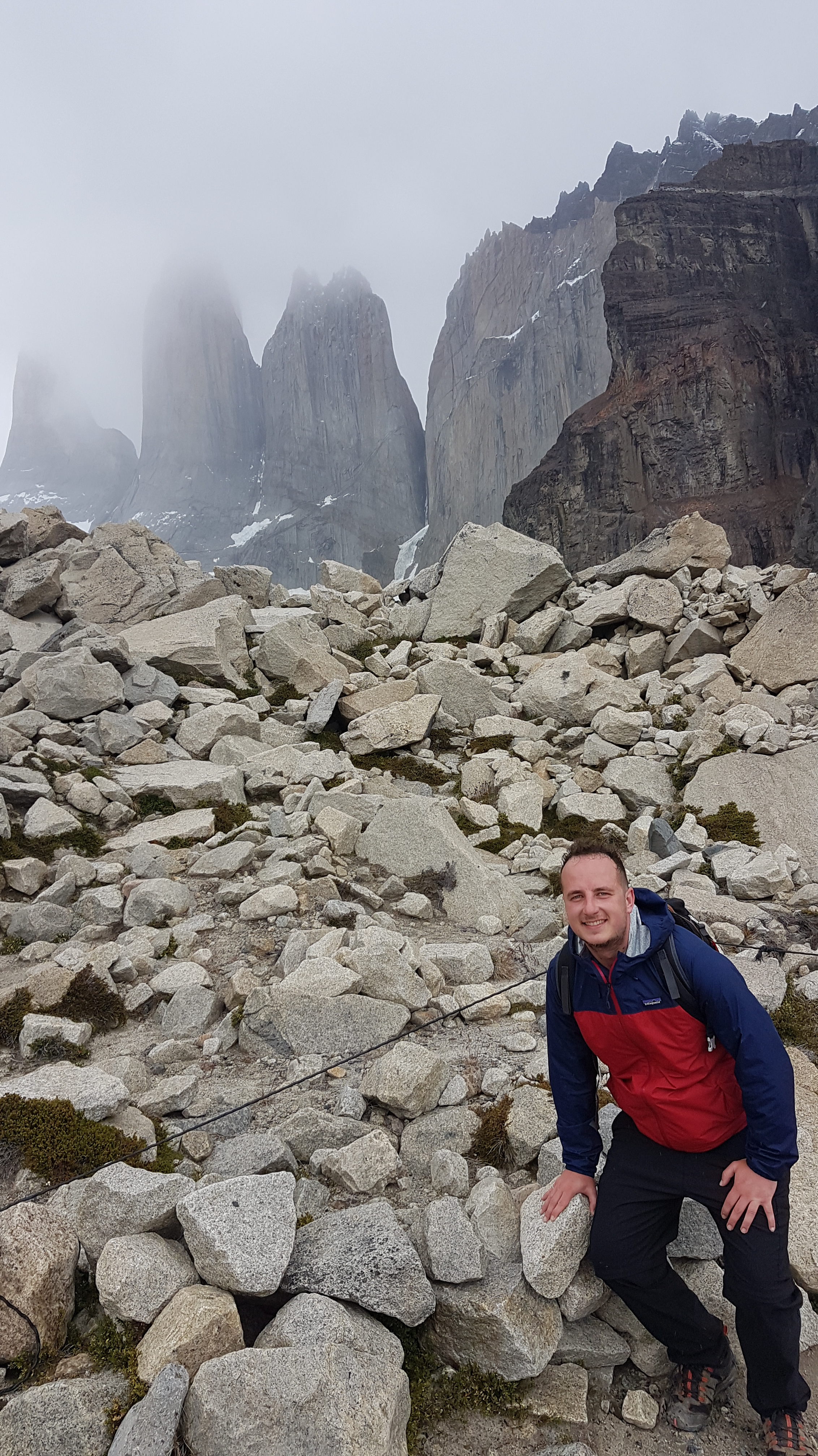
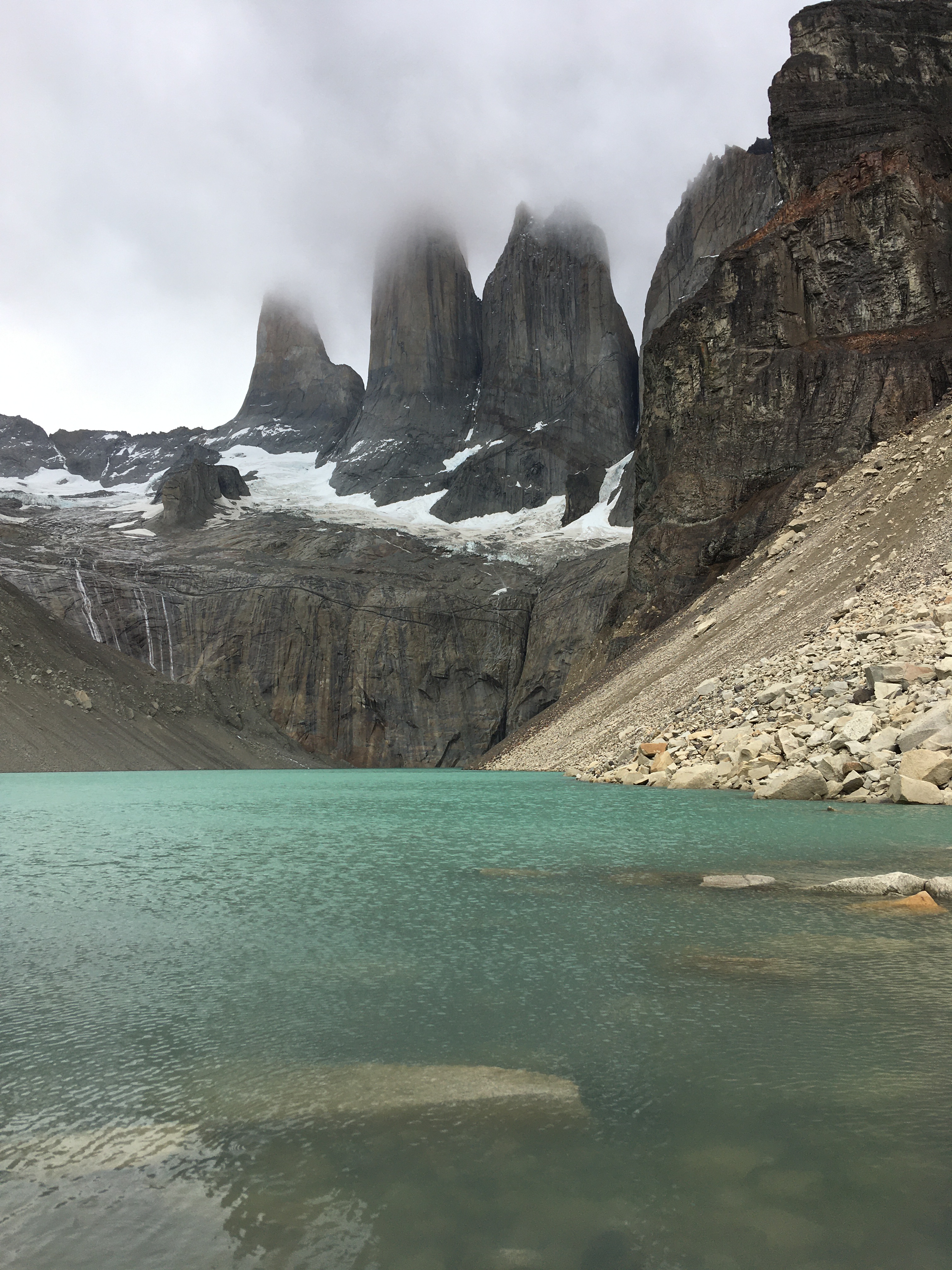
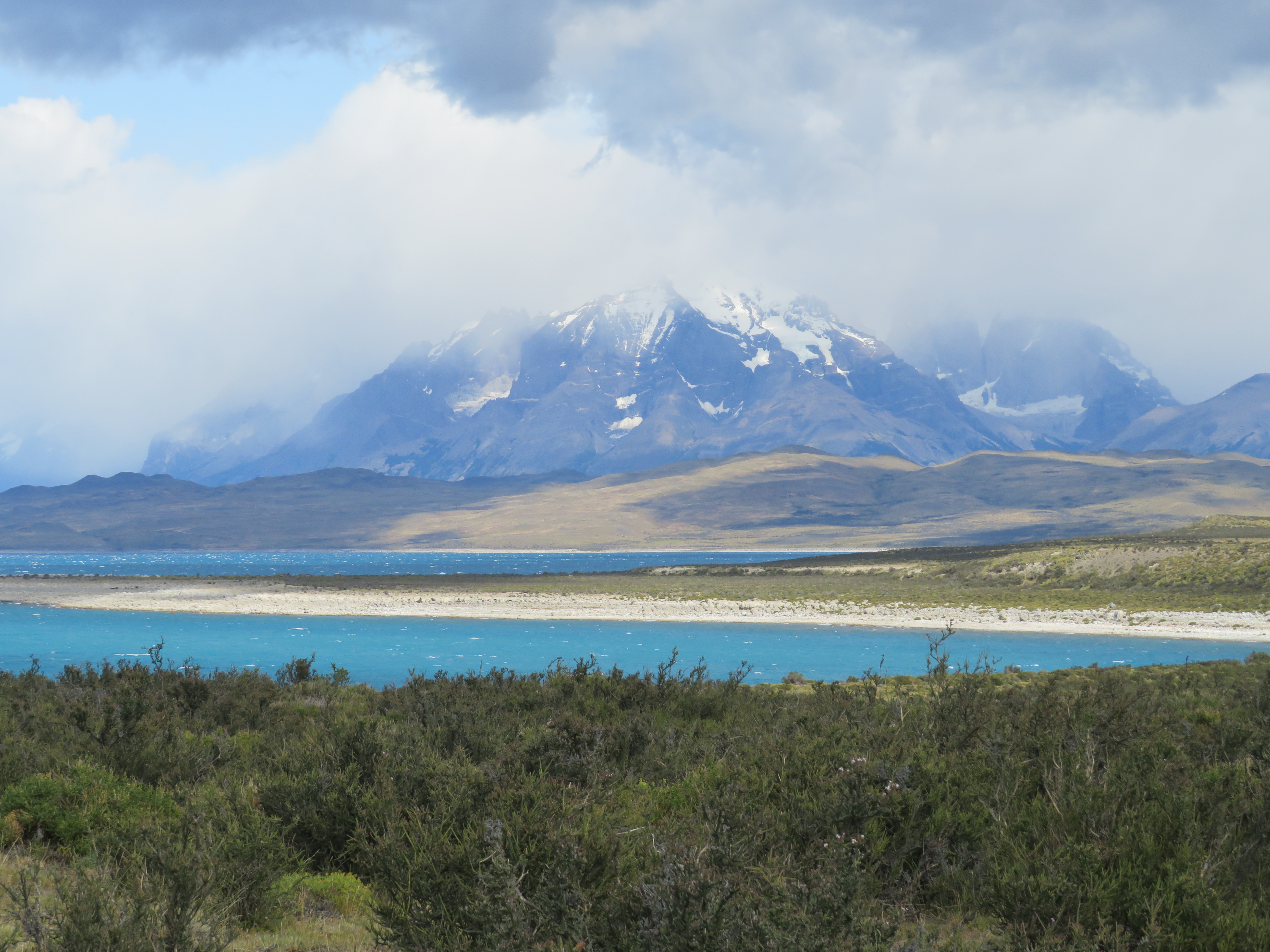
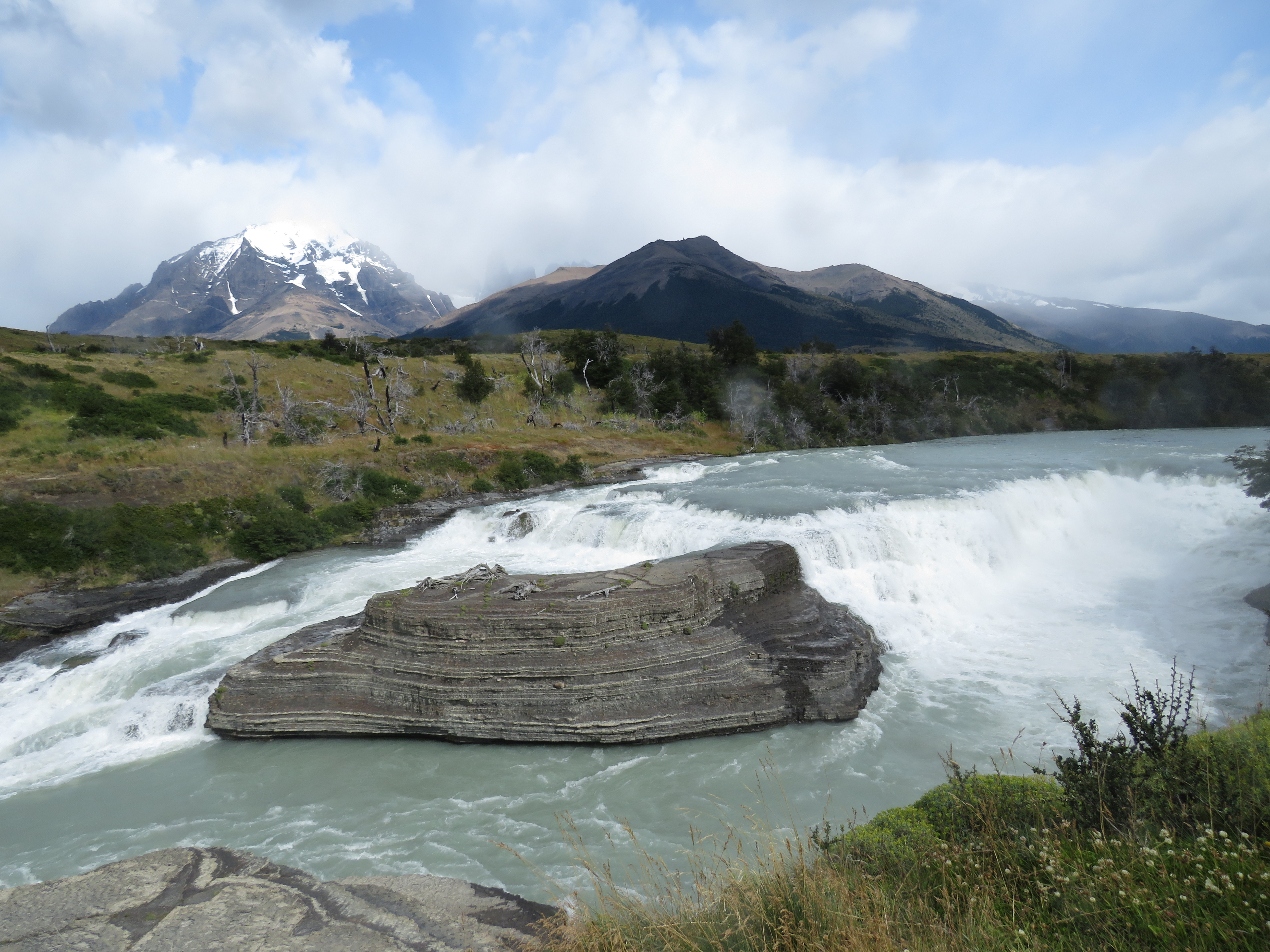
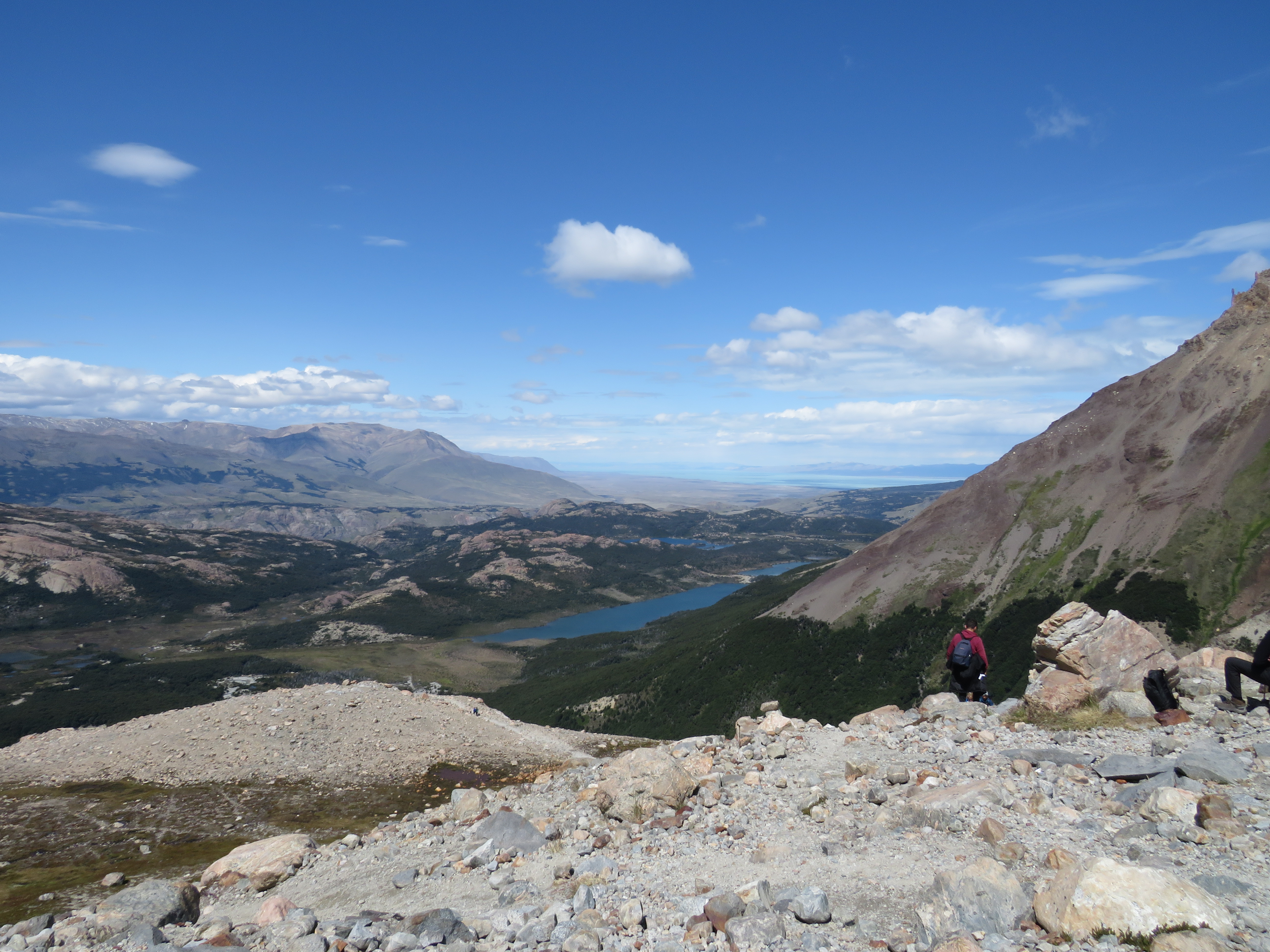
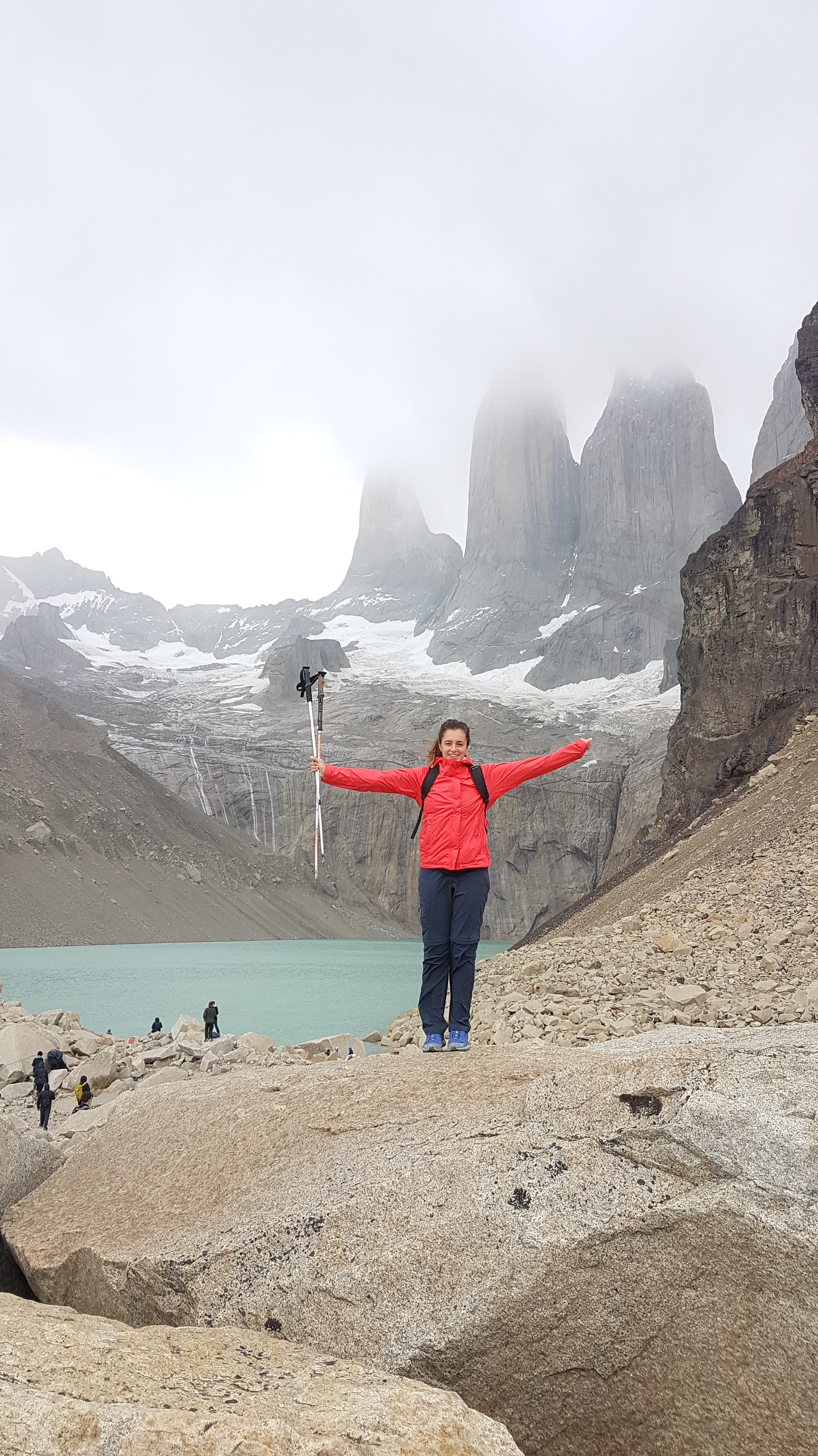
Next, we took a relatively short 3hr bus hop to Puerto Natales to our base for the next 3 days. From here, we visited Torres del Paine National Park – known as the real crown jewels of Patagonia. On our first day at the park we hiked to the base of Torres del Paine for an iconic Patagonia view. To get there we had a 30km hike which took around 8.5hrs; through a valley, forest and river and some steep rock clambering at the end to reach the top. There are 21 microclimates within the park, so we had sun, rain, wind along the way. It was a tough first hike, but the view at the end was magnificent (and well worth the Pain(e)ful hike!). Along the way we saw Chilean foxes, many guanacos and condors and we also obliviously walked by a wild puma (however did not notice this as our focus was solely on the beer at the end of the hike!).

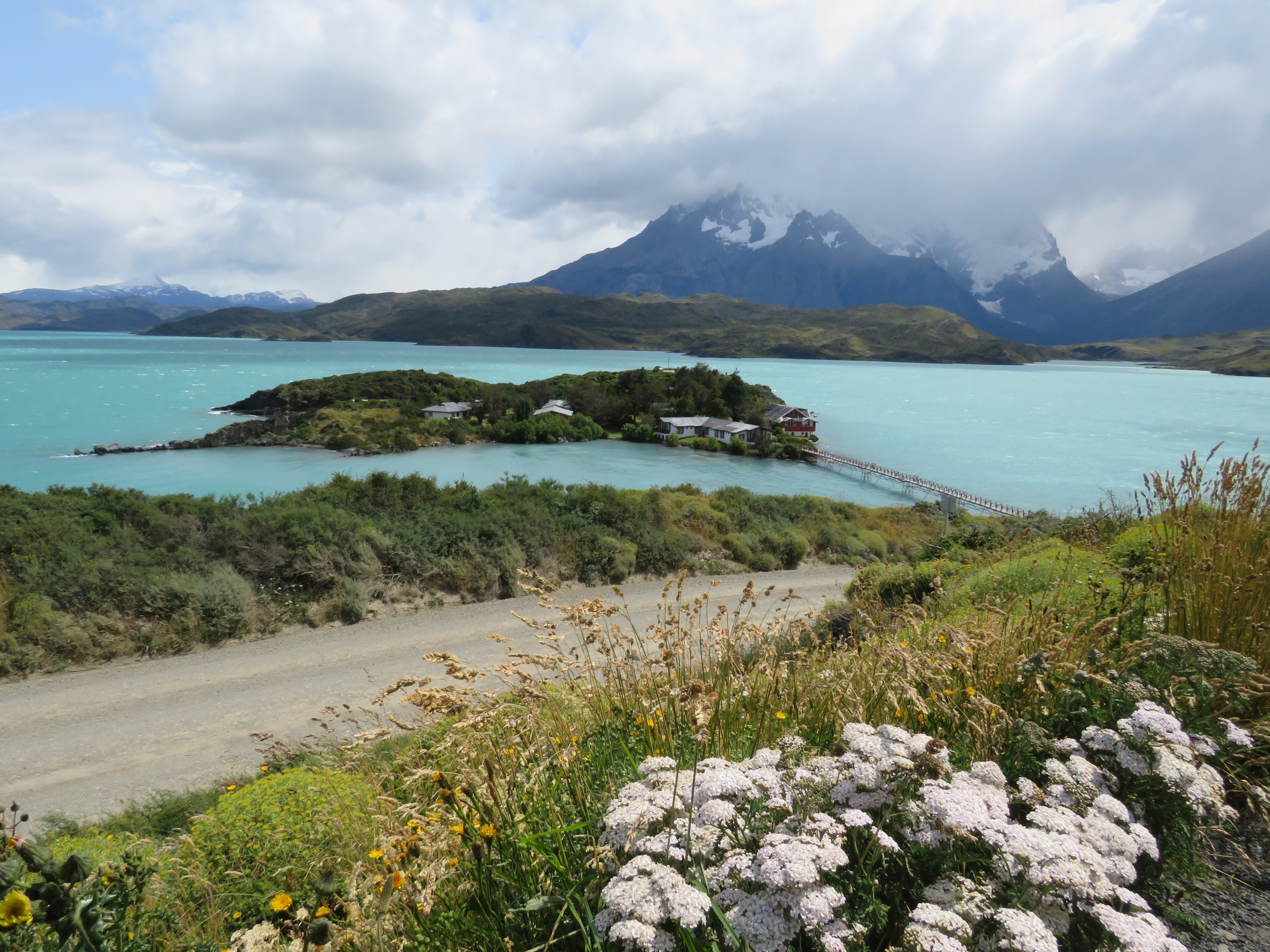
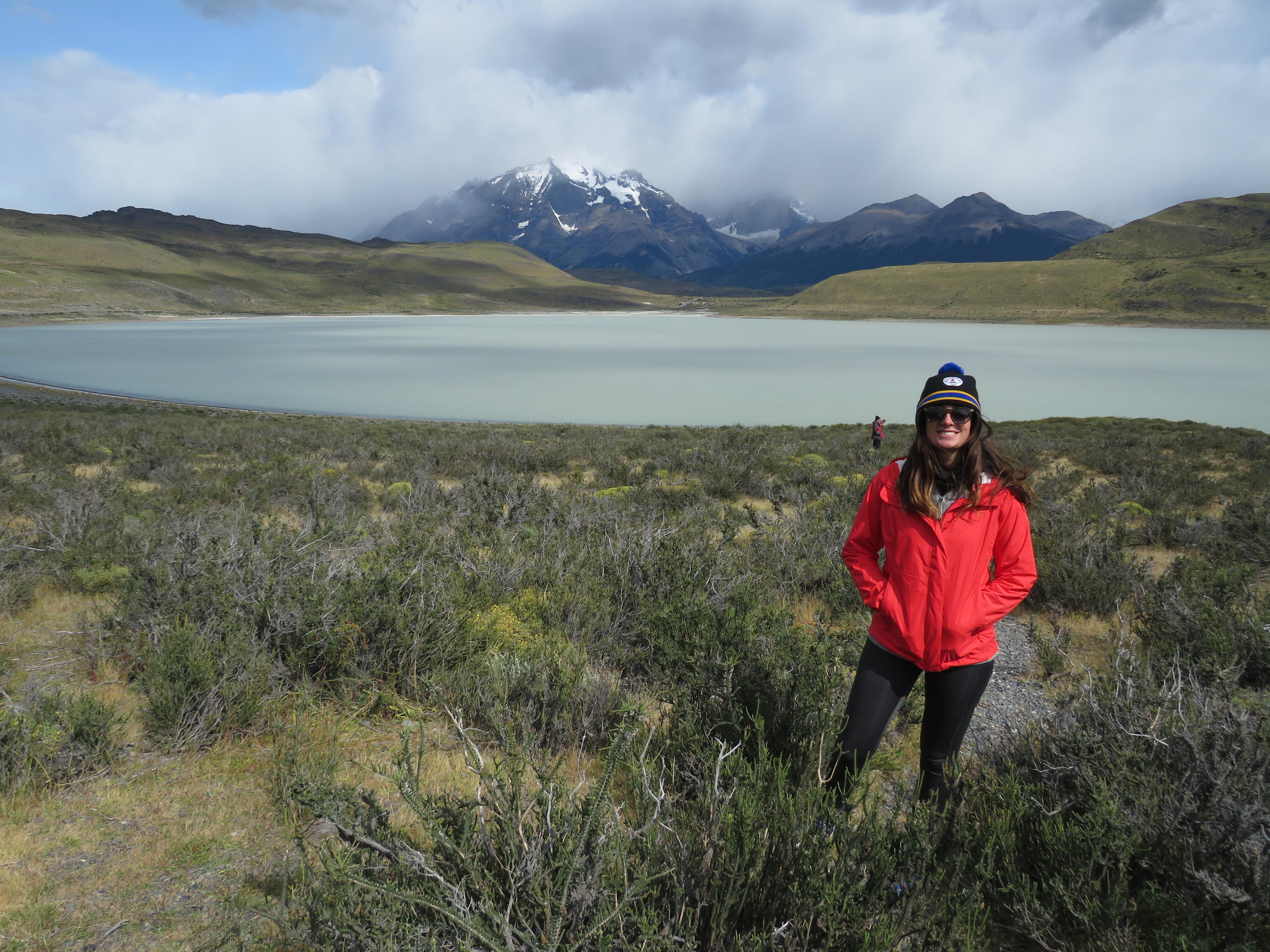
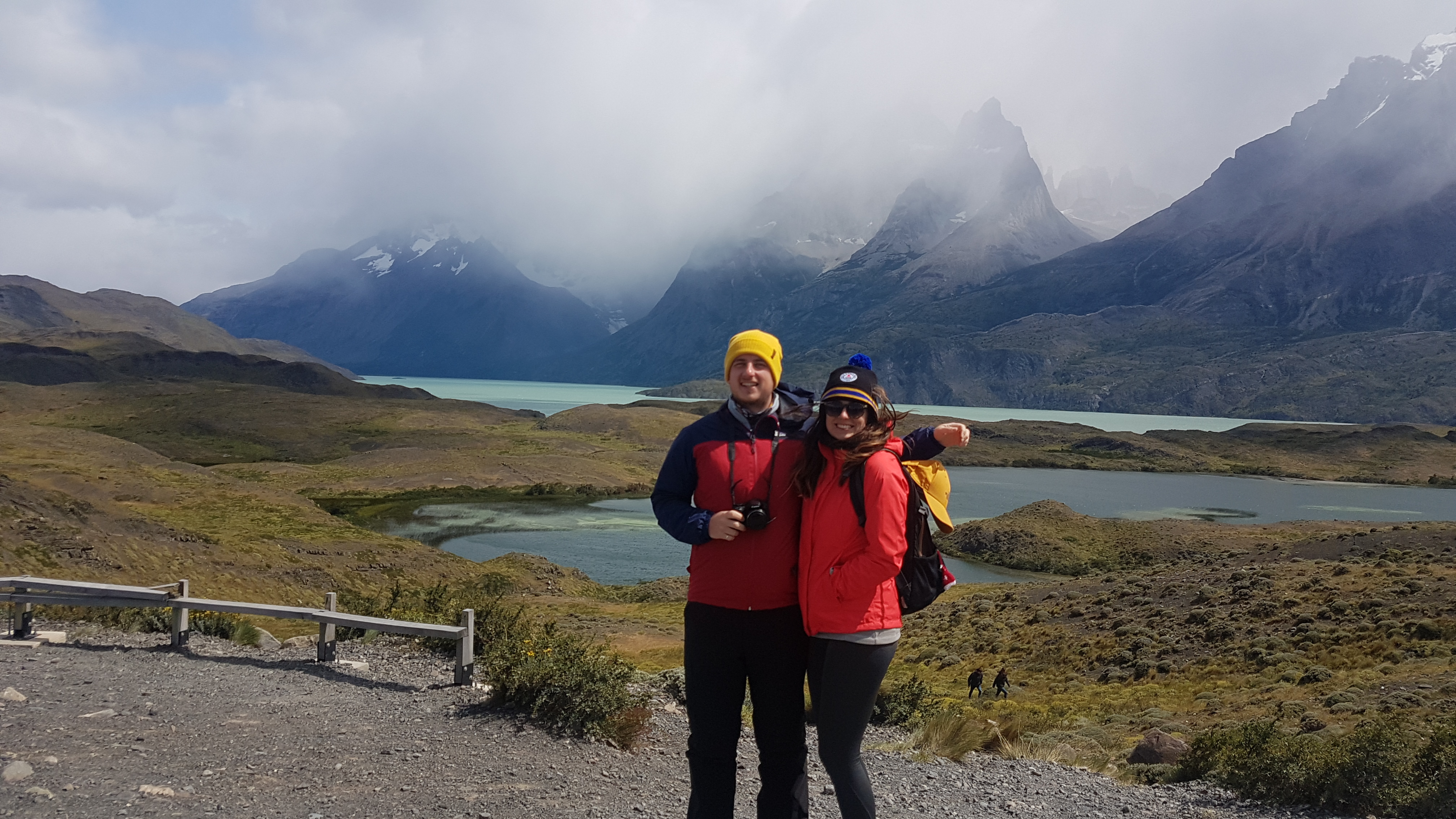
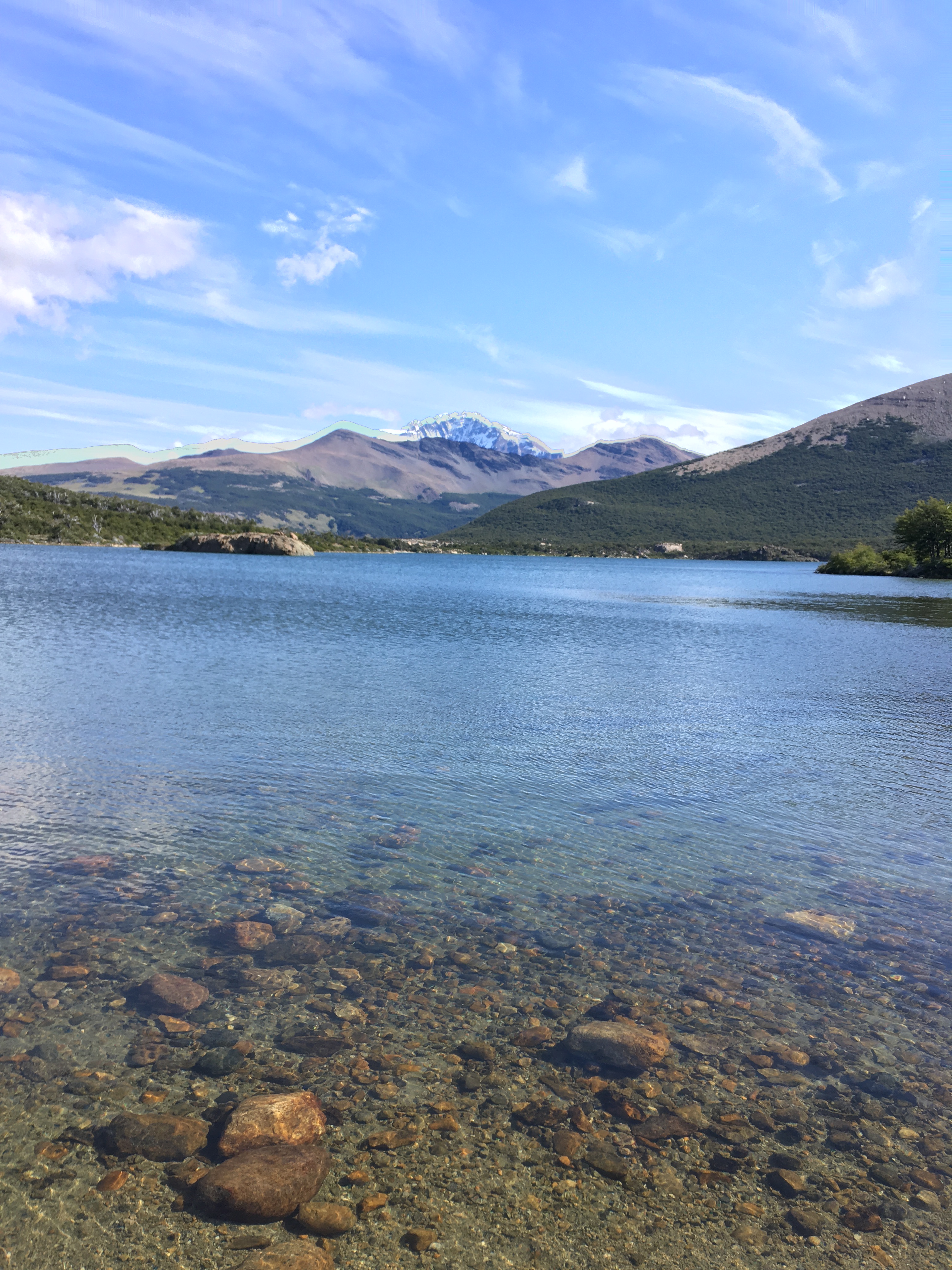
The following day we visited all the viewpoints around the park, and we were very happy to be doing this in a warm minibus and with only short hikes! This was great as it allowed us to see the countless turquoise lakes and snow capped mountains from a different perspective. The number of postcard-perfect views of Torres del Paine is really astonishing.

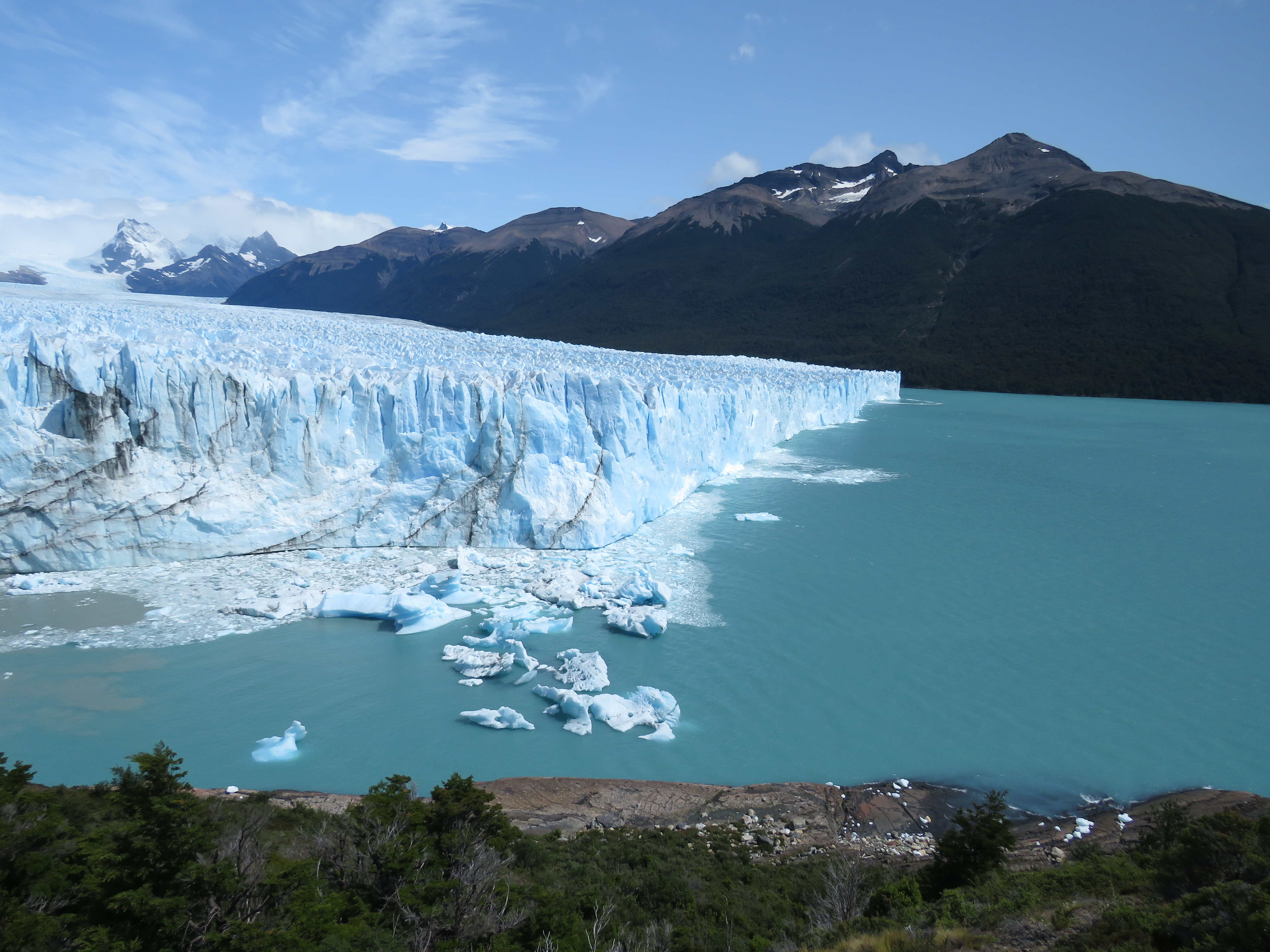
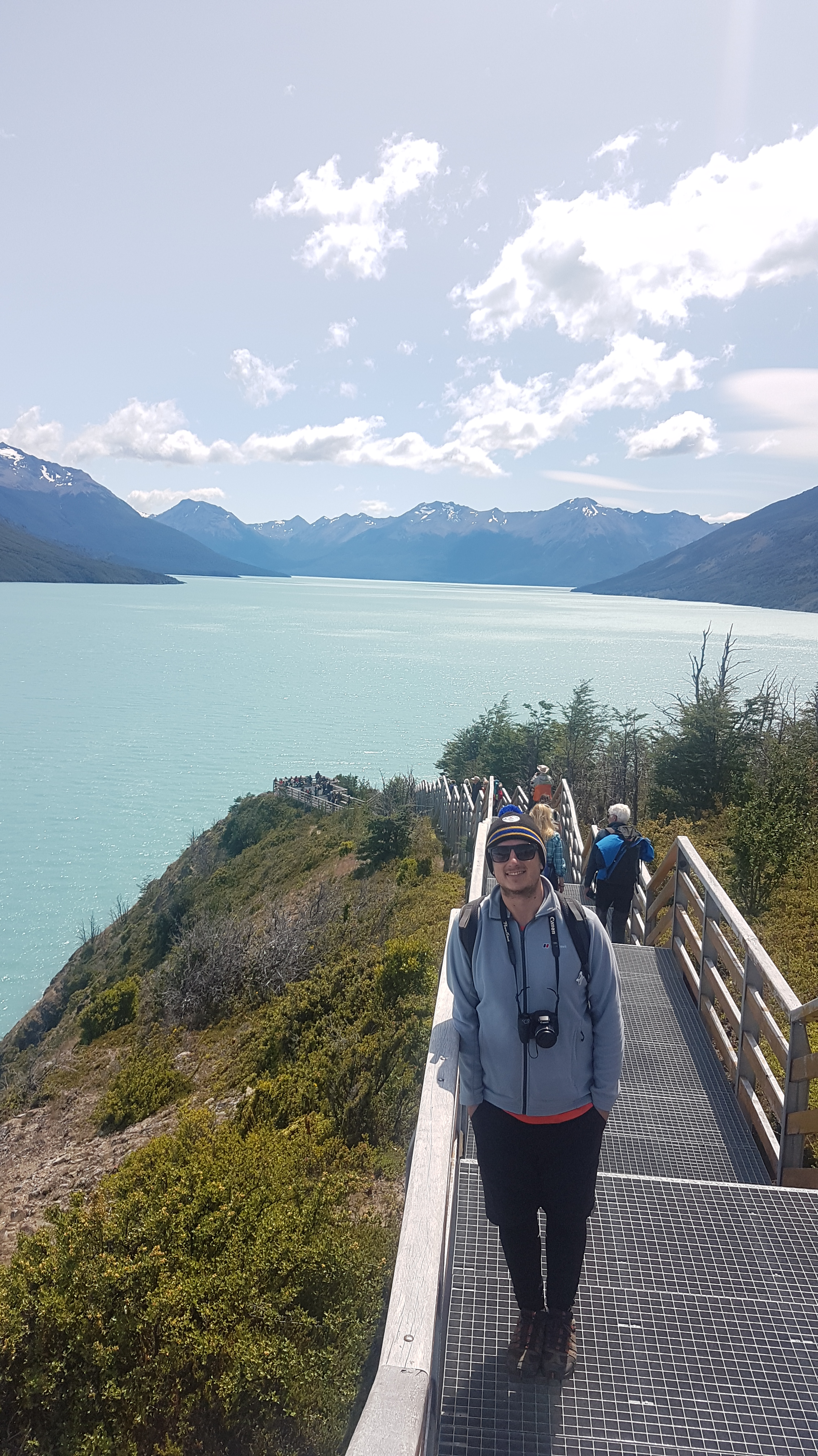
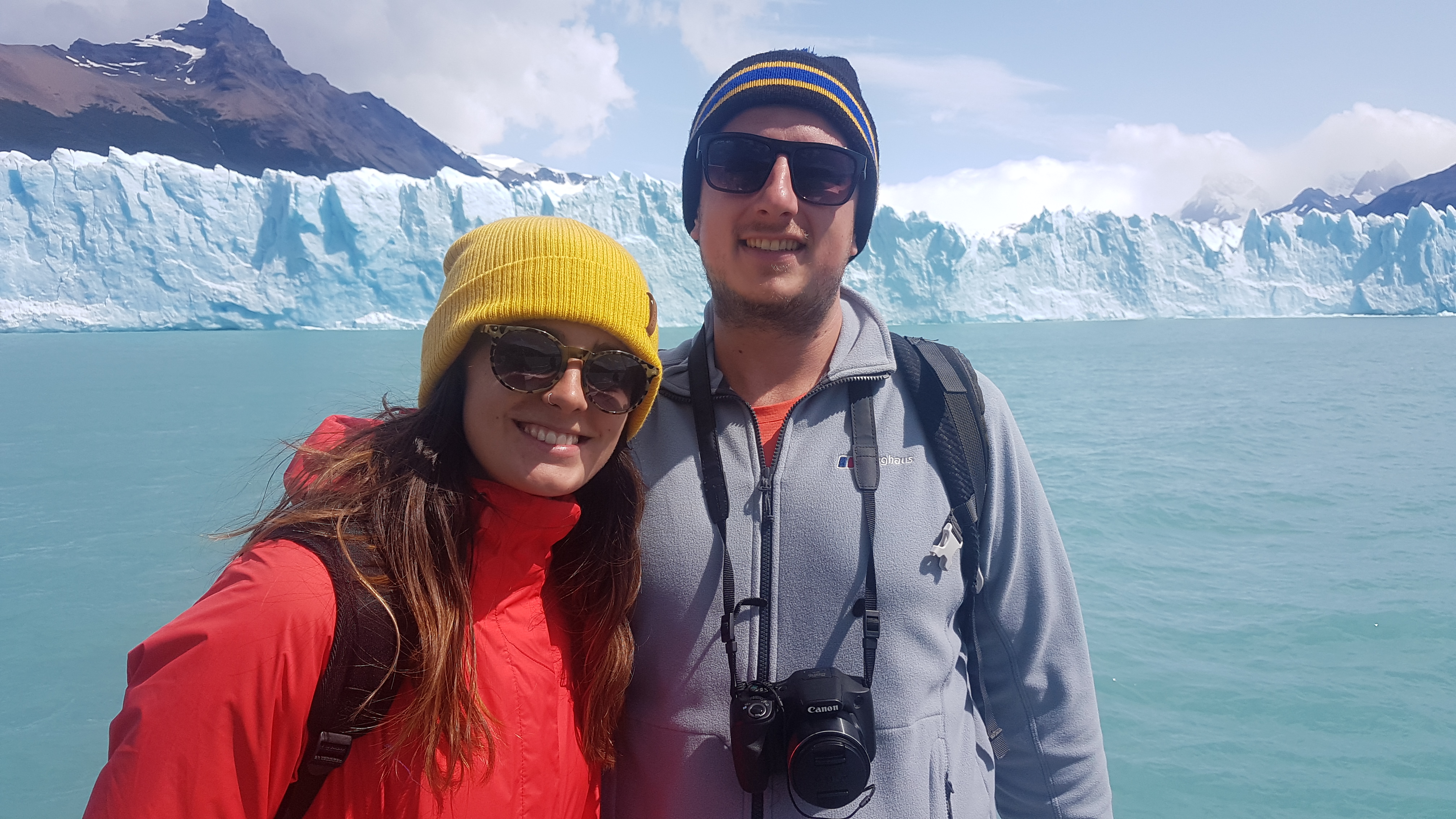
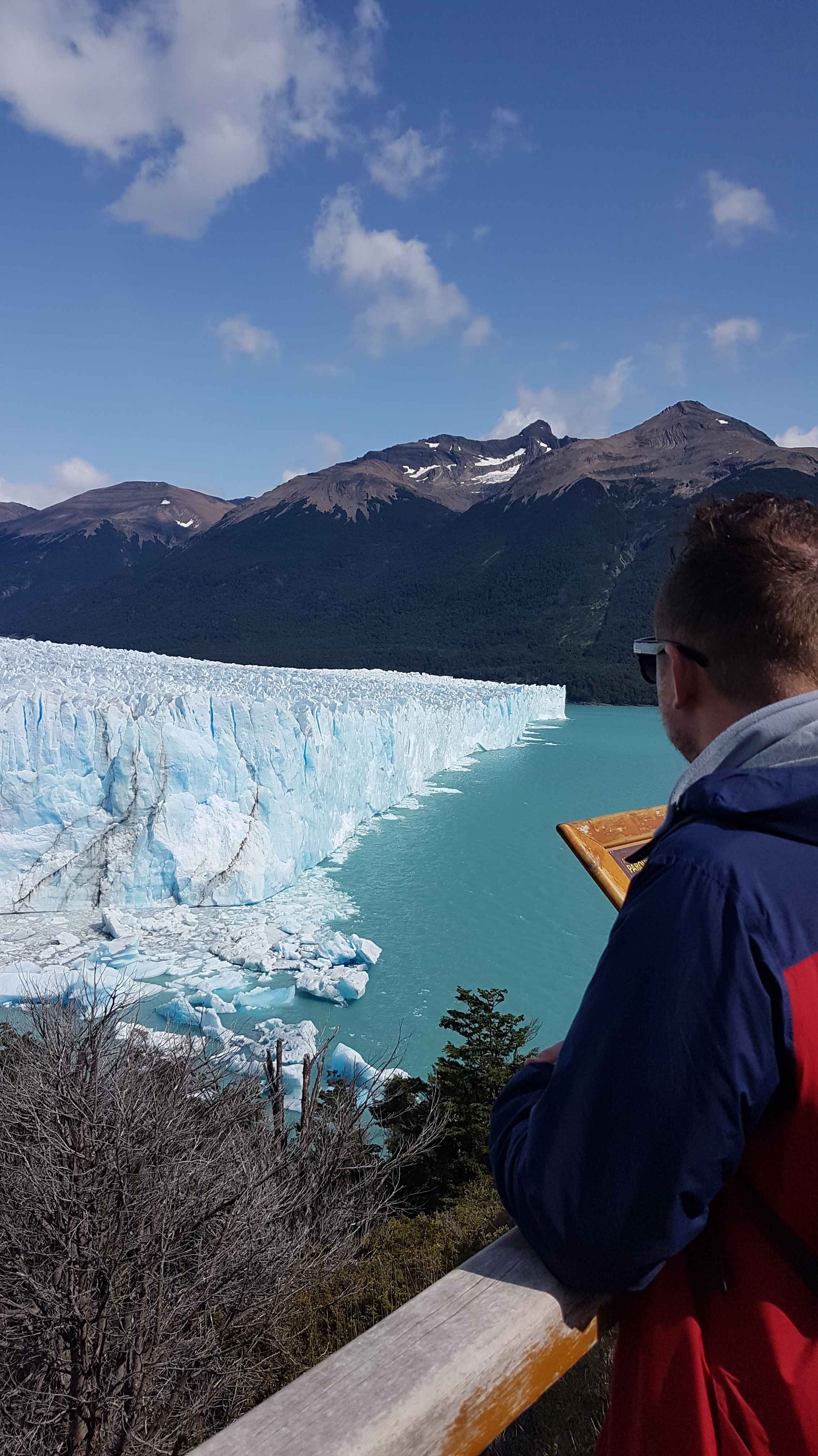
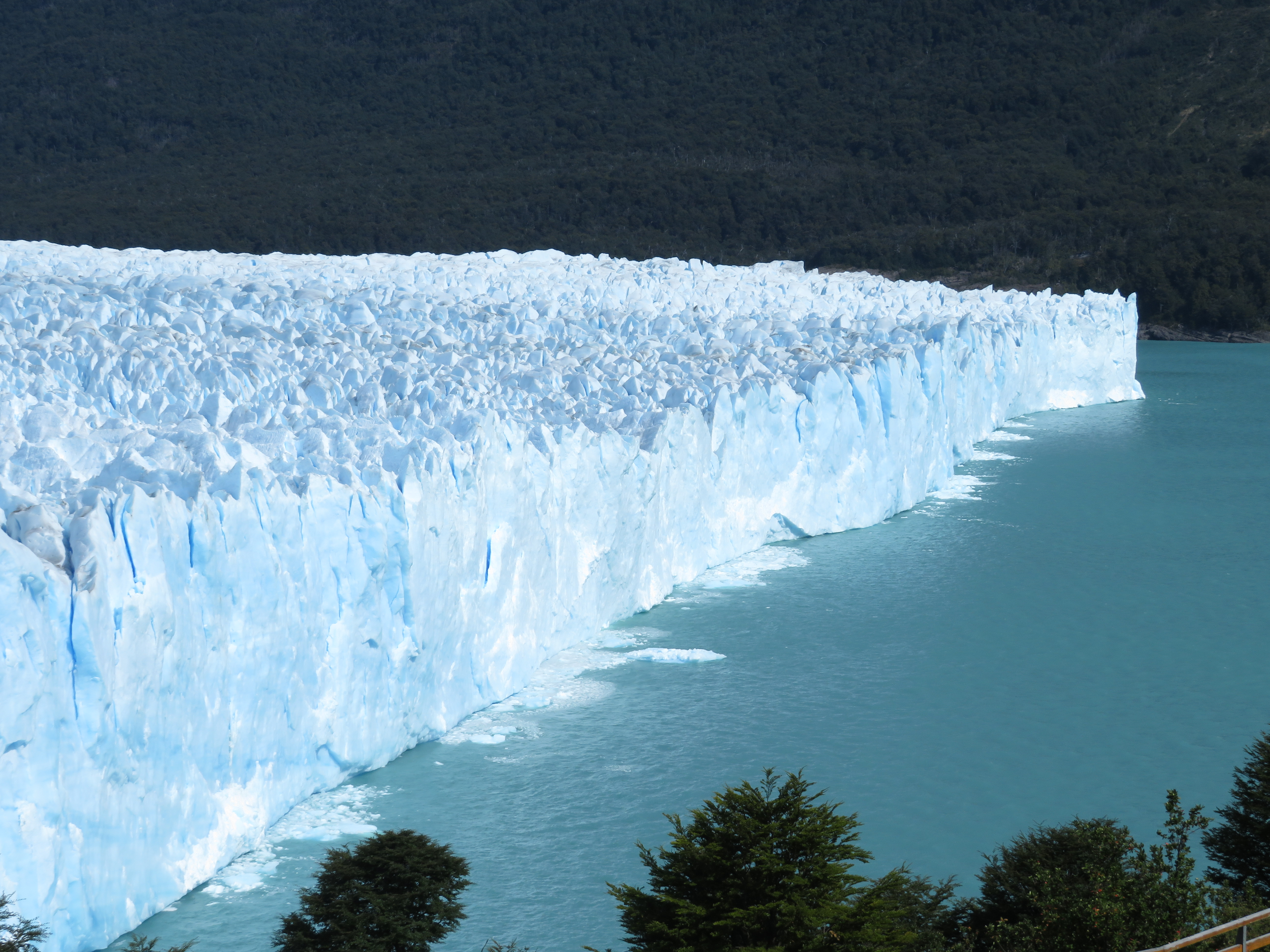
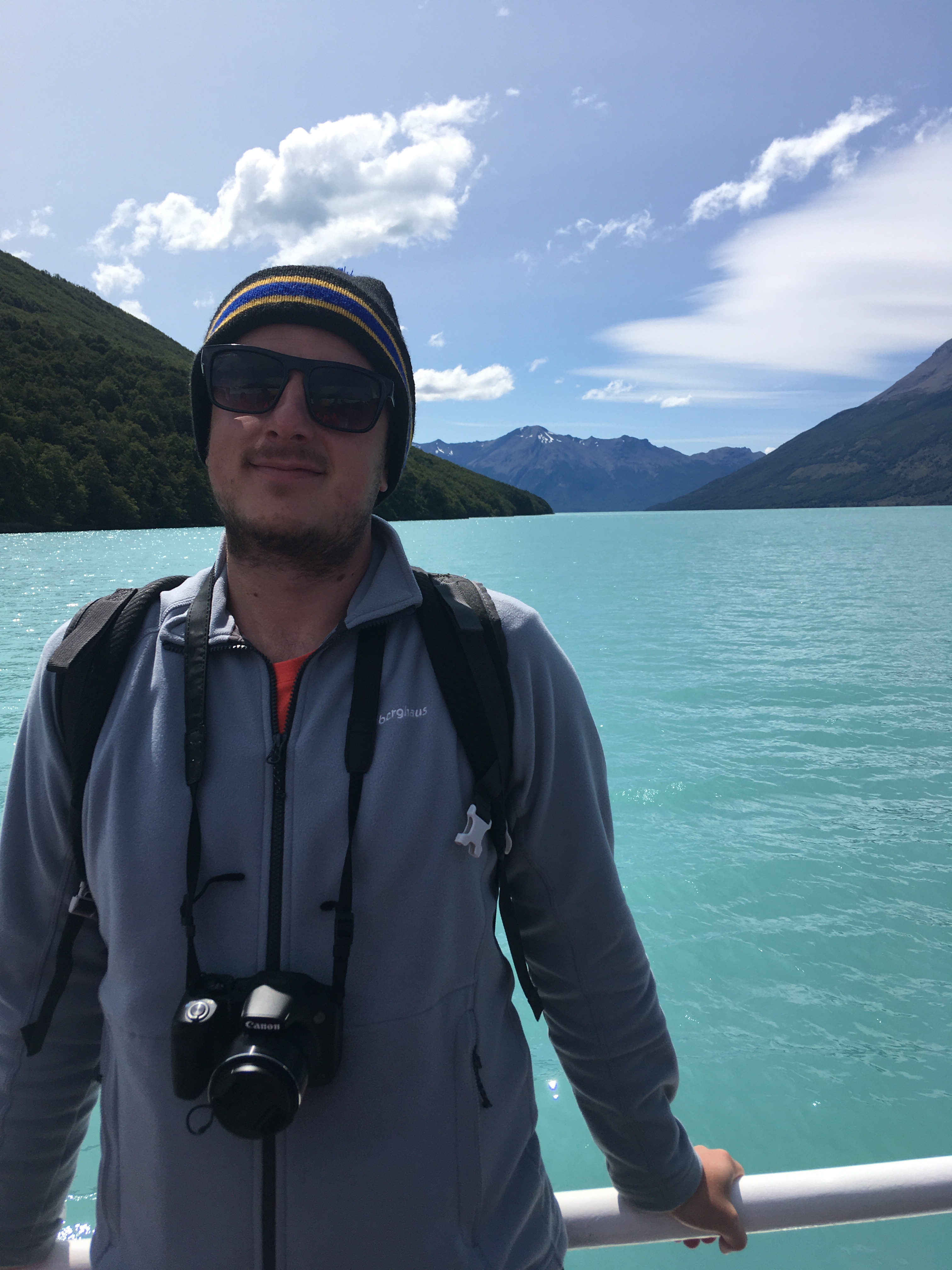
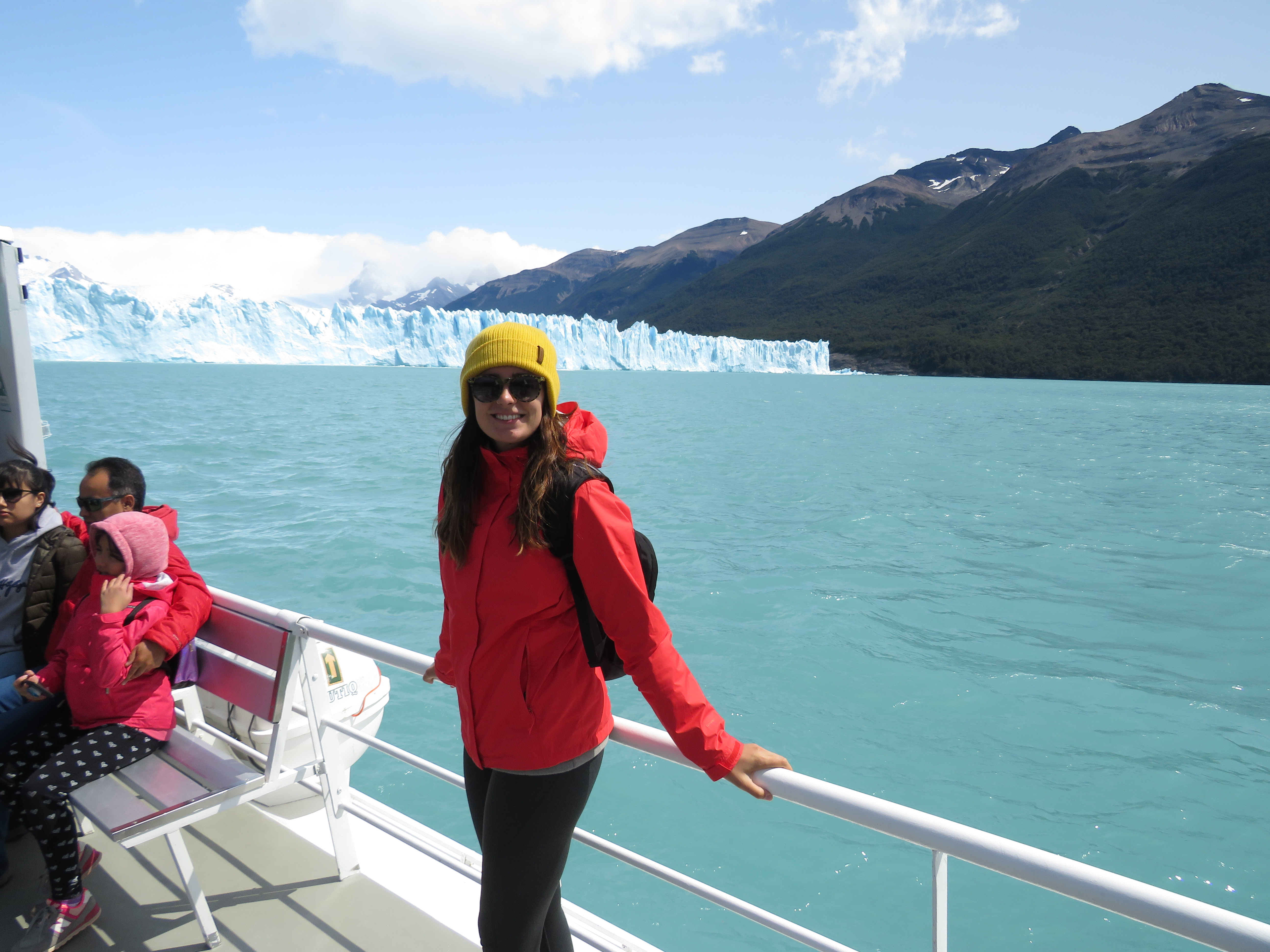
Now to our next Patagonian destination and this time over the border in Argentina. A coach took us 6hrs north to El Calafate, named after a local berry which, if eaten, means that you will certainly return to Patagonia (we both ate these and so are already eagerly awaiting our next trip!). It was a pleasant, touristy town with beautiful Alpine-style buildings and lots of restaurants serving delicious barbecued lamb cooked on a pole; a Patagonia staple. We were here to see the Perito Moreno glacier, which unlike most of the Earth’s glaciers, is still advancing. We had seen photos but we weren’t prepared for the real thing which was absolutely incredible – we spent hours just staring at it in awe of the sheer size and beauty of the glacier, not to mention the occasional huge ruptures of ice. We also went on a boat tour which took us even closer to the glacier and allowed us to see it from down below and appreciate its magnitude. Standing face-to-face with a glacier felt otherworldly and will be a great highlight of our travels.

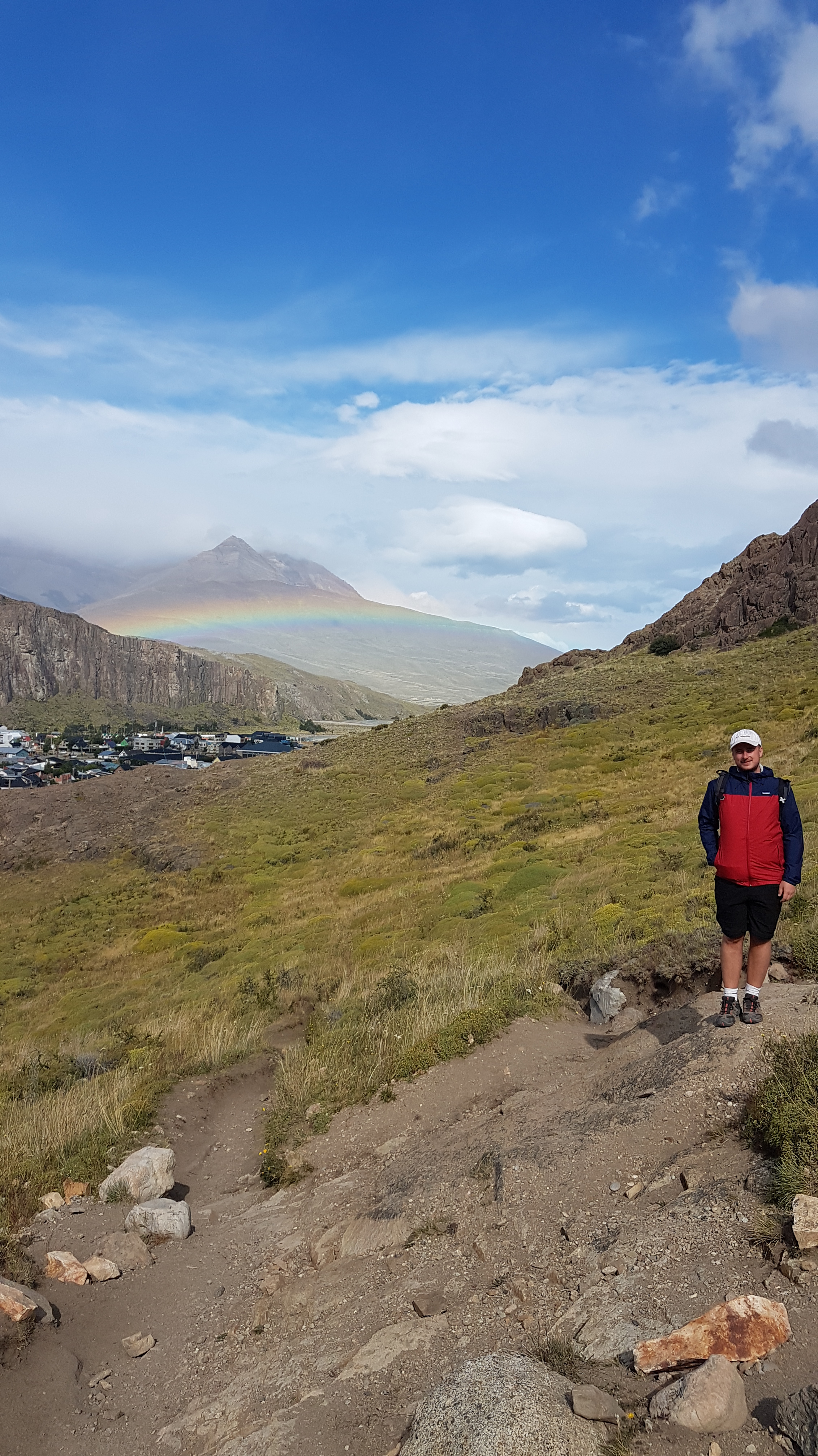
After 2 days in Calafate we were ready for our final destination of El Chaltén. A small town located within Los Glaciares National Park and surrounded by mountains with jagged peaks and plenty of walking trails. The town was only built in 1985, mainly as a way to stop Chile claiming the land but which has also become a tourist hotspot. We planned to stay for just two nights but ended up staying for five (however this meant moving between three different hostels during our stay!). We were so glad we did as it allowed us to do all the hikes we wanted to and also allowed for a day in a cozy German beerhouse to escape the torrential rain – amazing beer and apple crumble so definitely a bonus for us!

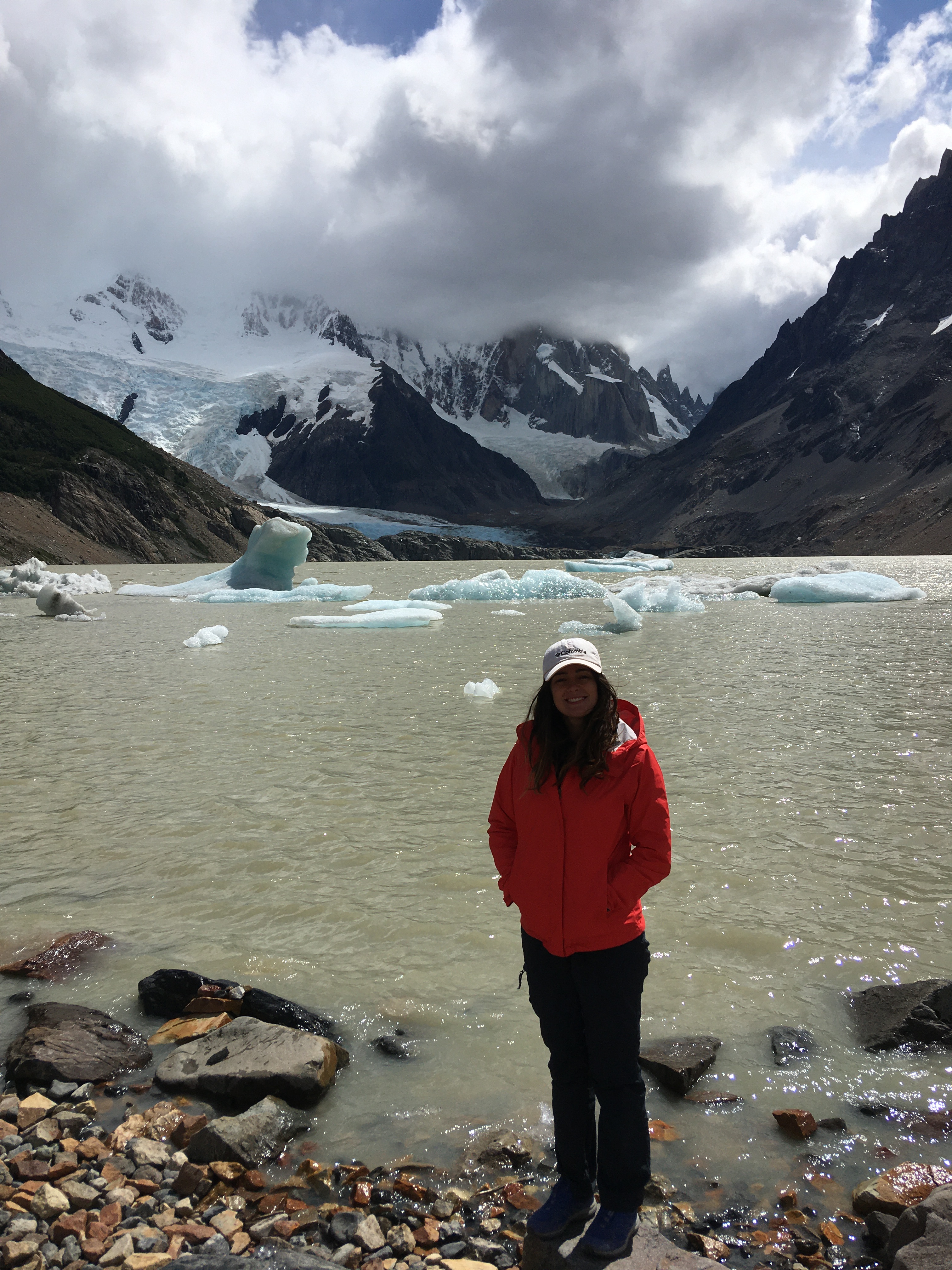
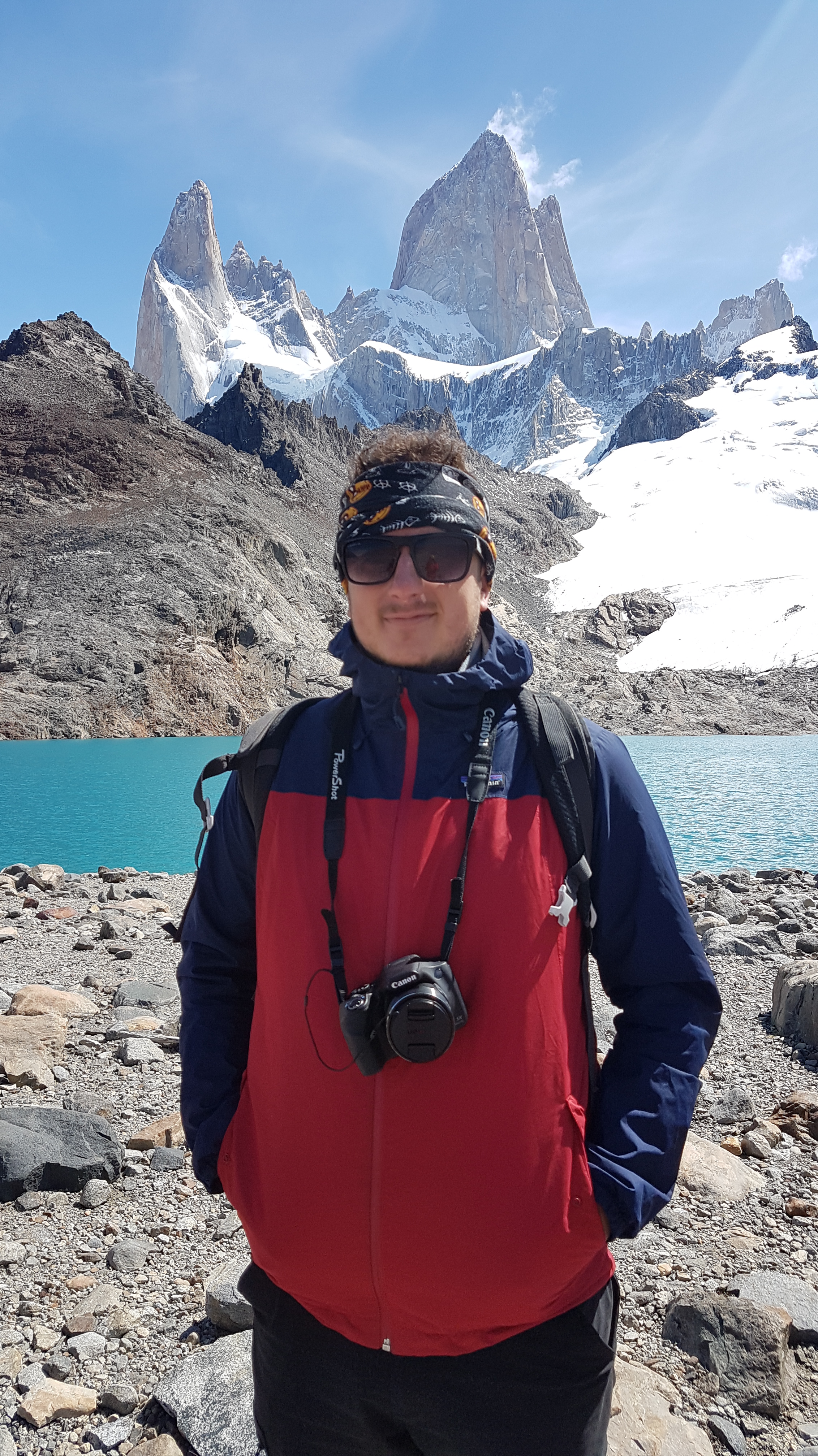
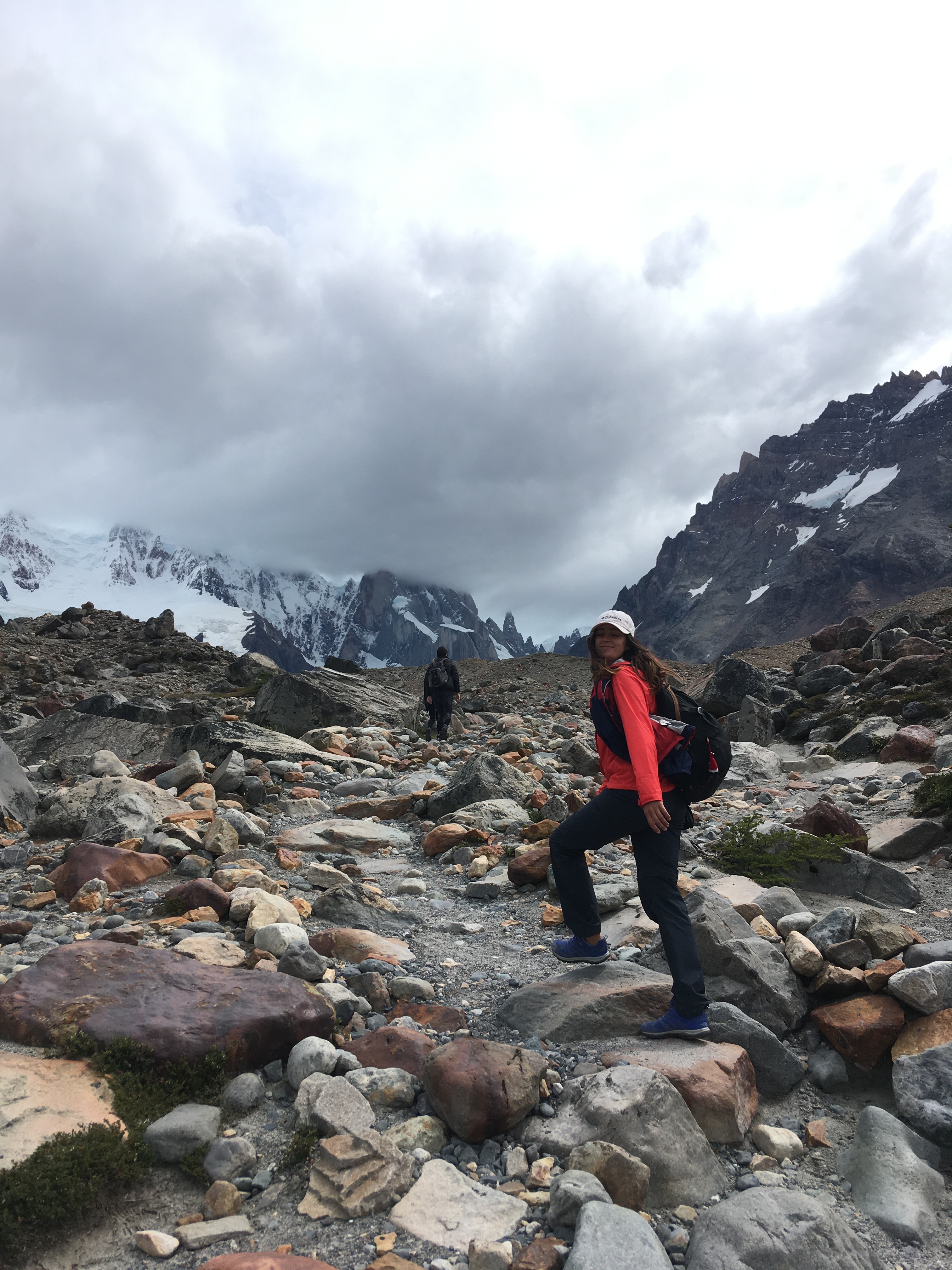
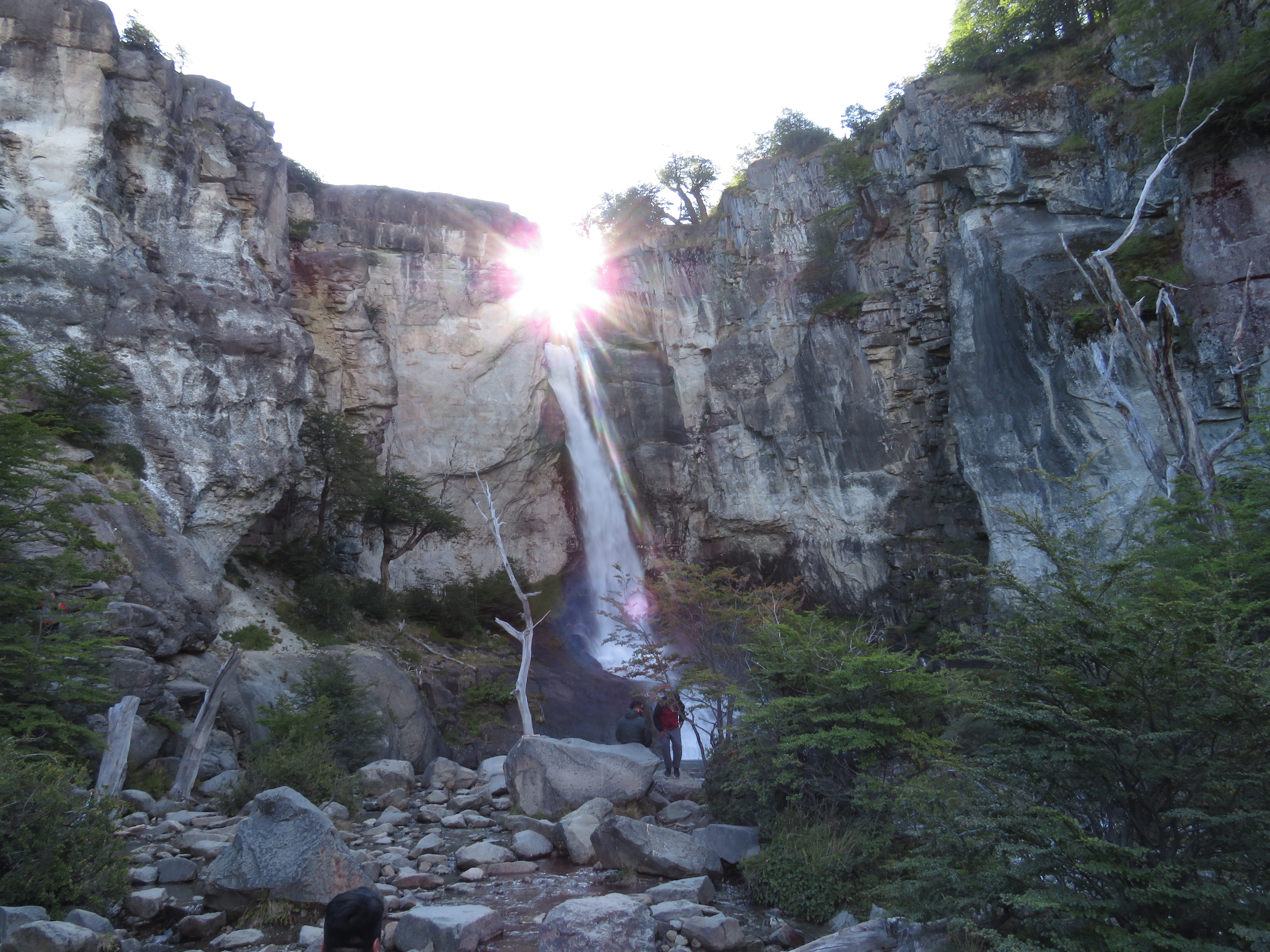
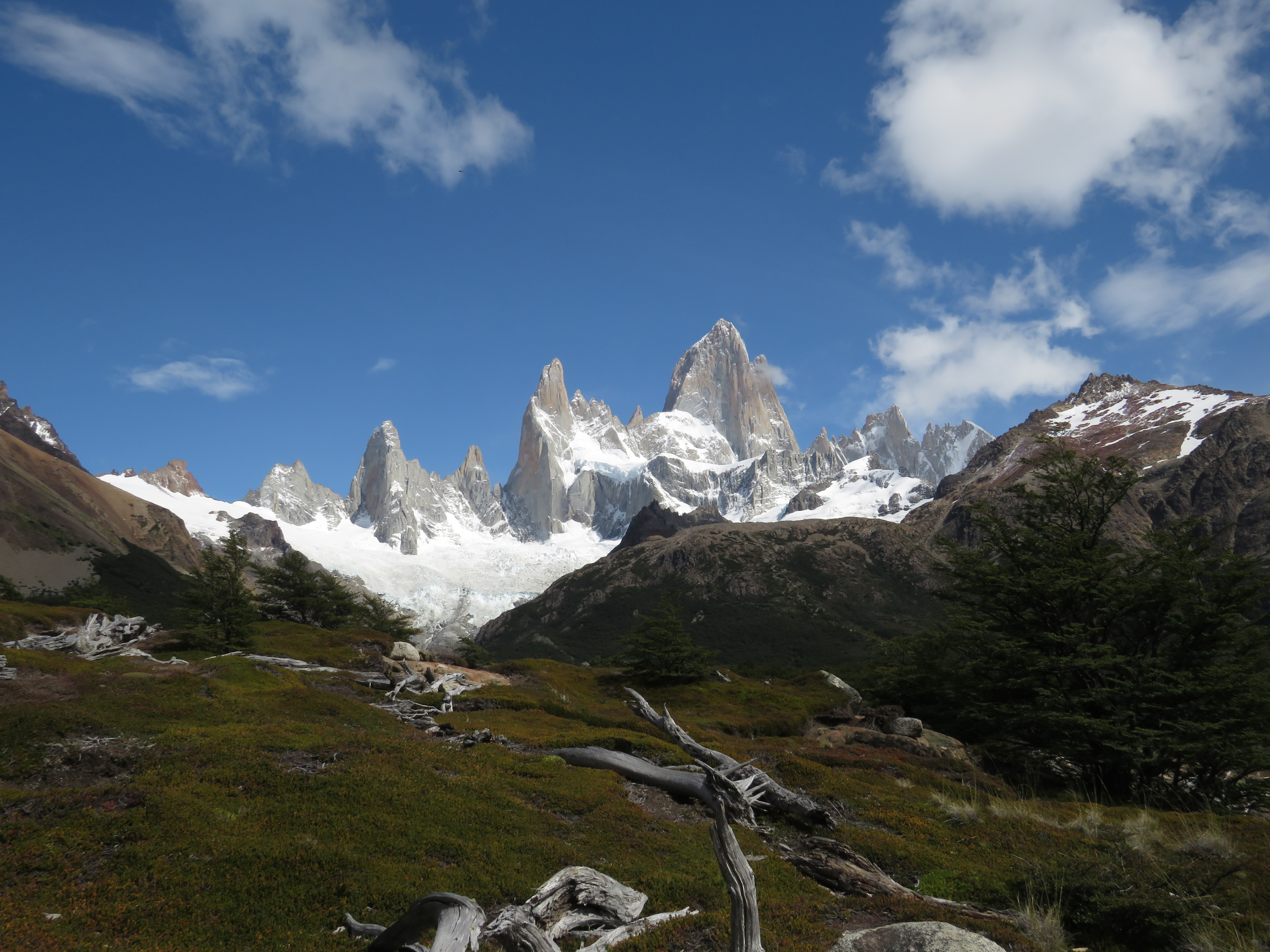
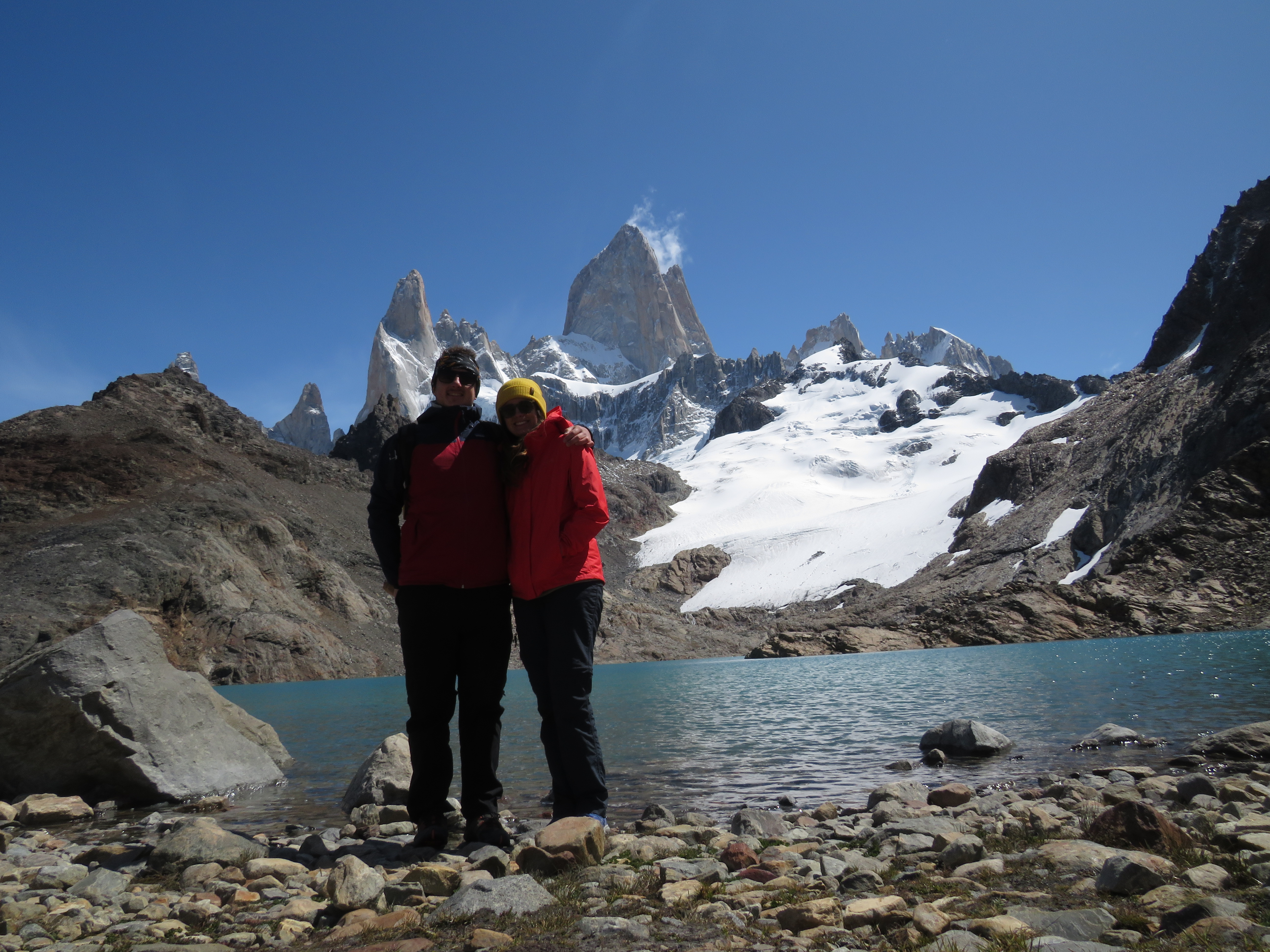
We did two big hikes, both around 25km, and a couple of short ones. Our first hike was Laguna Torre which was fairly easy and ended at a lagoon dotted with icebergs and a glacier in the background – an amazing viewpoint for our lunch break. This was nothing however when compared to our next big hike: Fitz Roy. This was a lot harder and felt like a real achievement, especially after ascending 400m in the last kilometre (so painful!). The weather was so kind to us, we were incredibly lucky to get to the top and be greeted with clear skies, making the view even more spectacular and the effort even more worthwhile. We stayed up here for a good while just taking it all in, it was so hard to leave it behind. Eventually we did though and our reward at the bottom was a nice bottle of Patagonian wine and a hearty lamb stew – perfect!

Patagonia is an incredible place and we don’t know how anywhere can top it. It really did feel like we were at the end of the world. The vast landscapes were so varied, from wide open spaces of emptiness to jaw-dropping glaciers, peaks and lakes. It was so special and easily one of the best experiences of our lives.

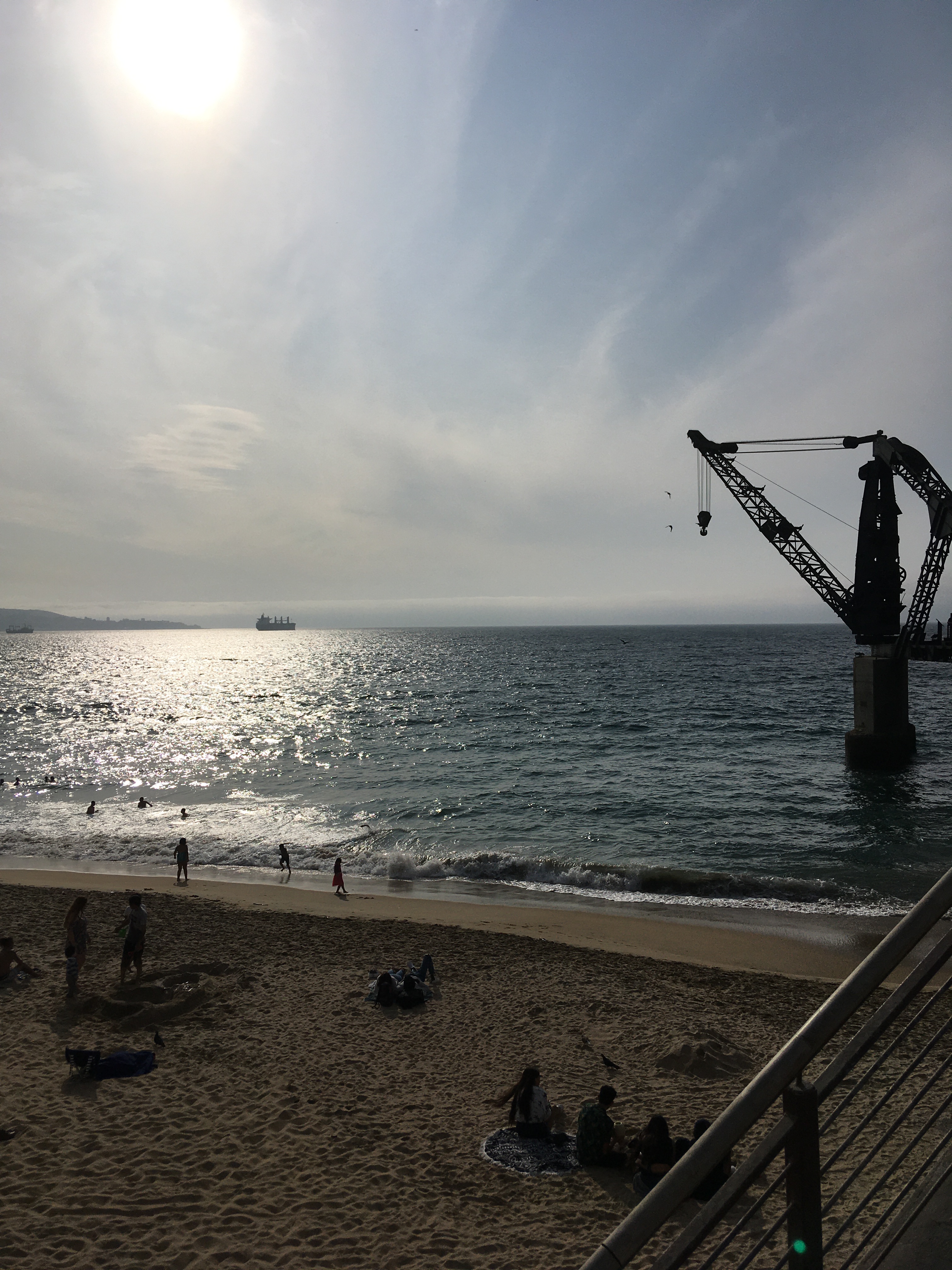
Valparaíso, Chile

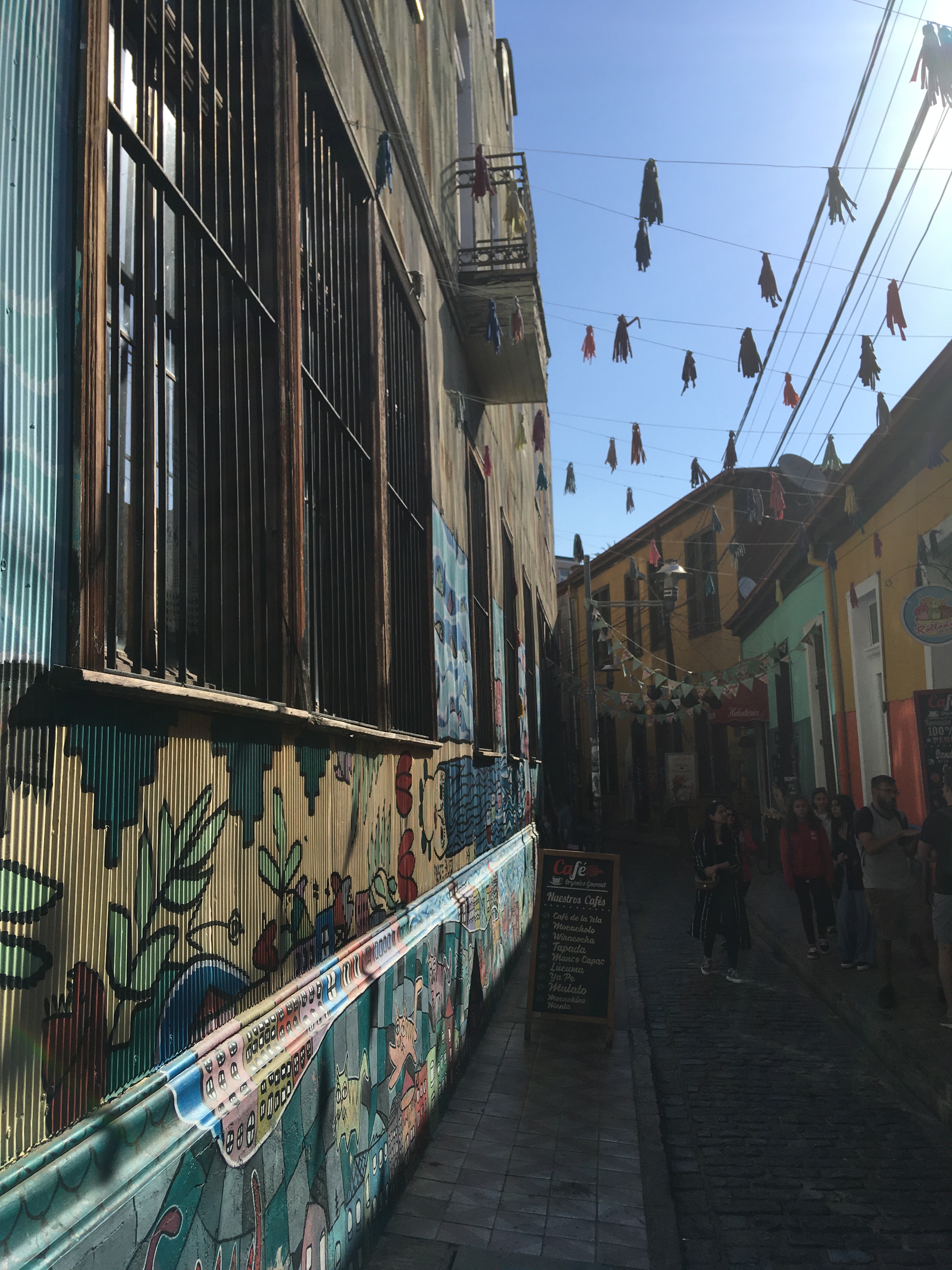
We spent 3 nights prior to volunteering and 7 nights afterwards in the vibrant and colourful city of Valparaíso (or Valpo as it’s known).

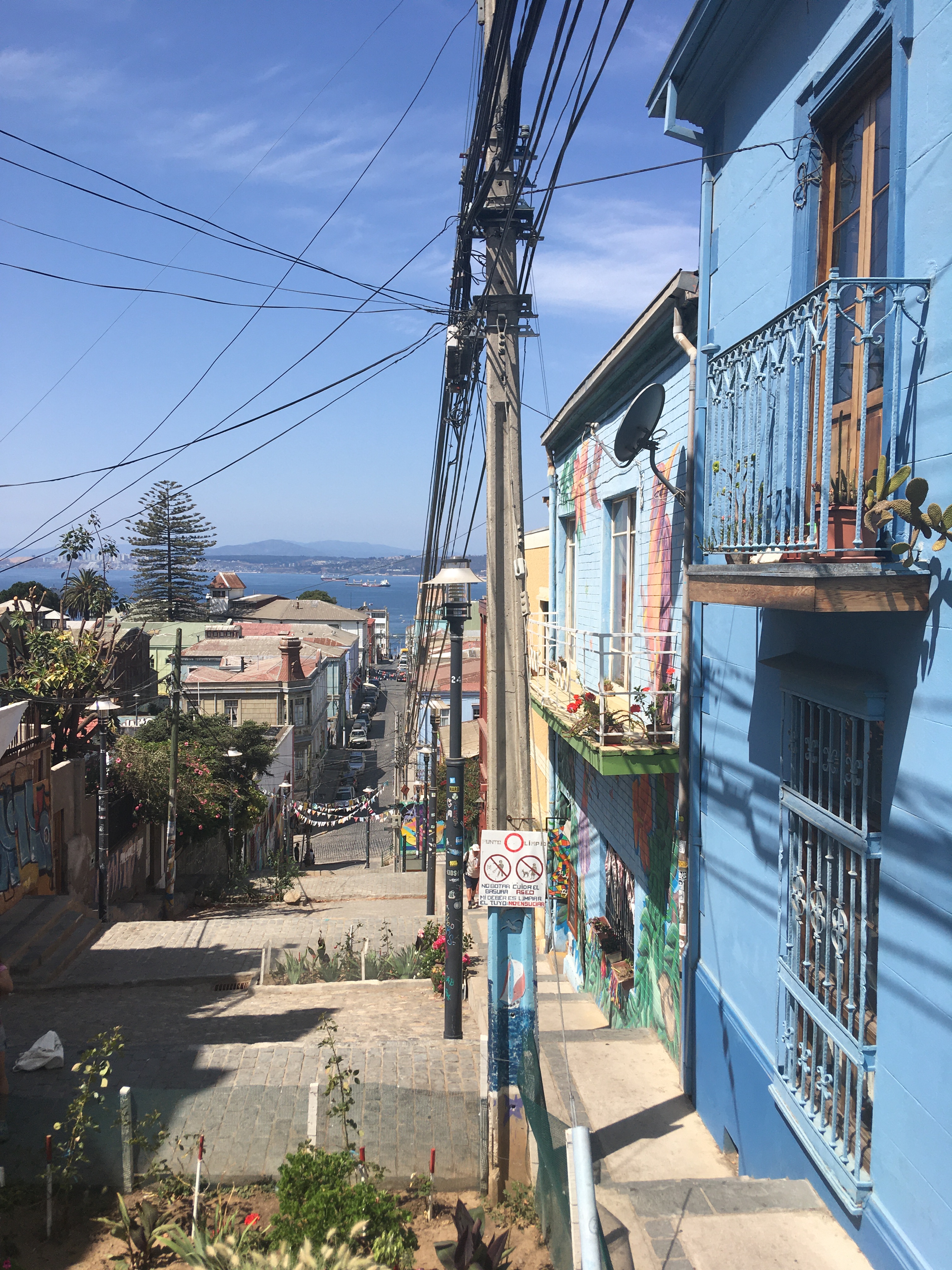
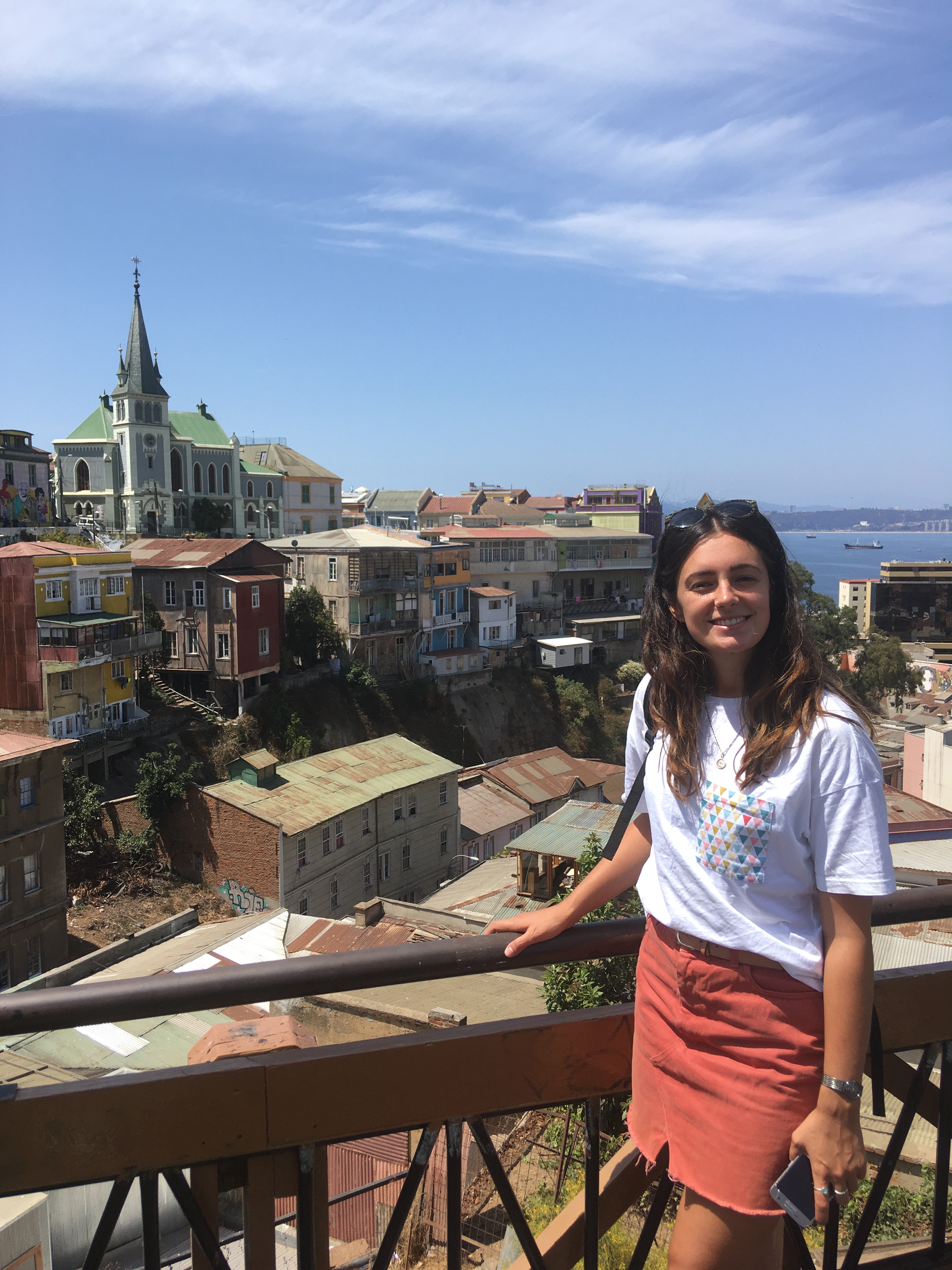
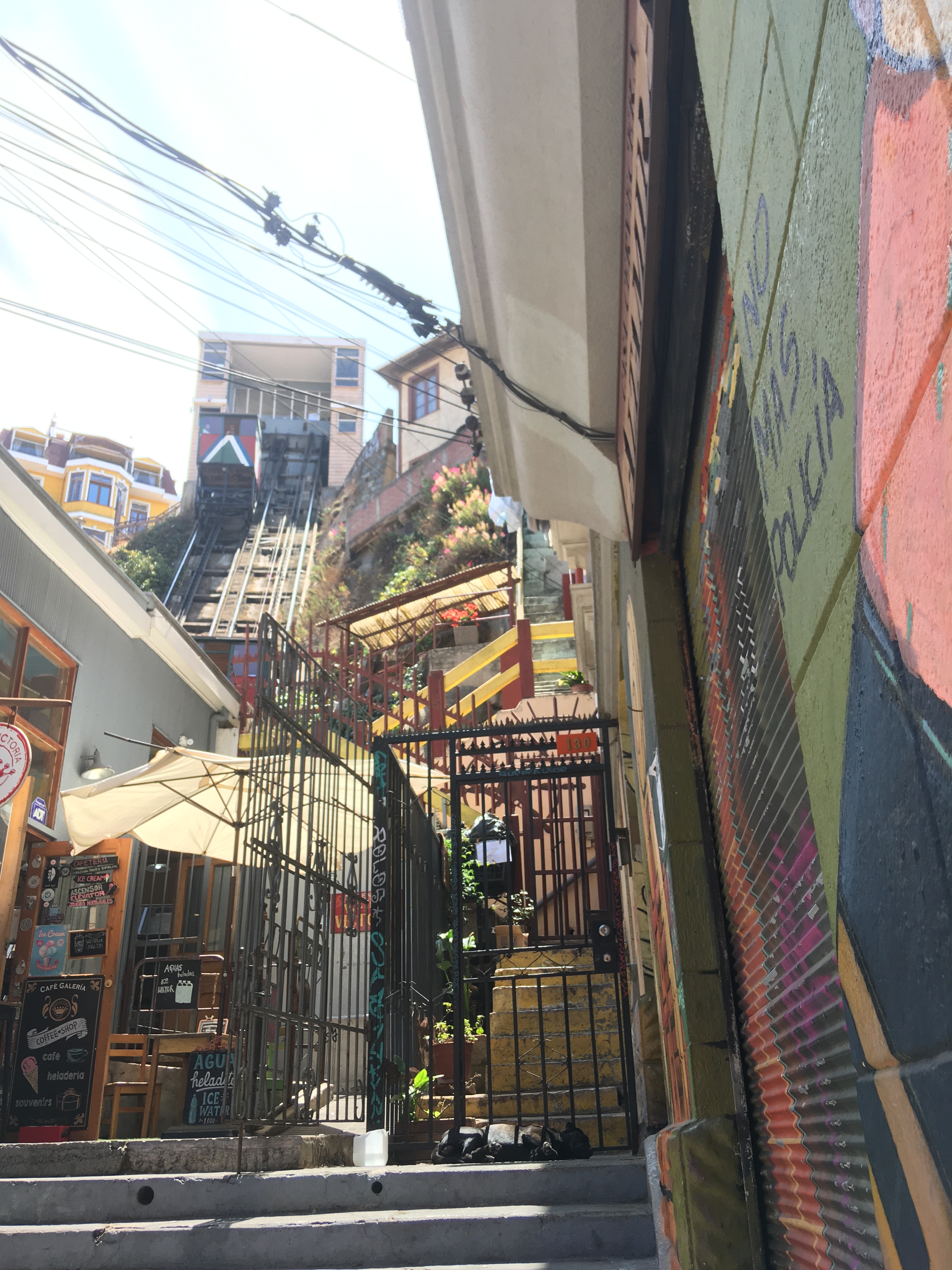
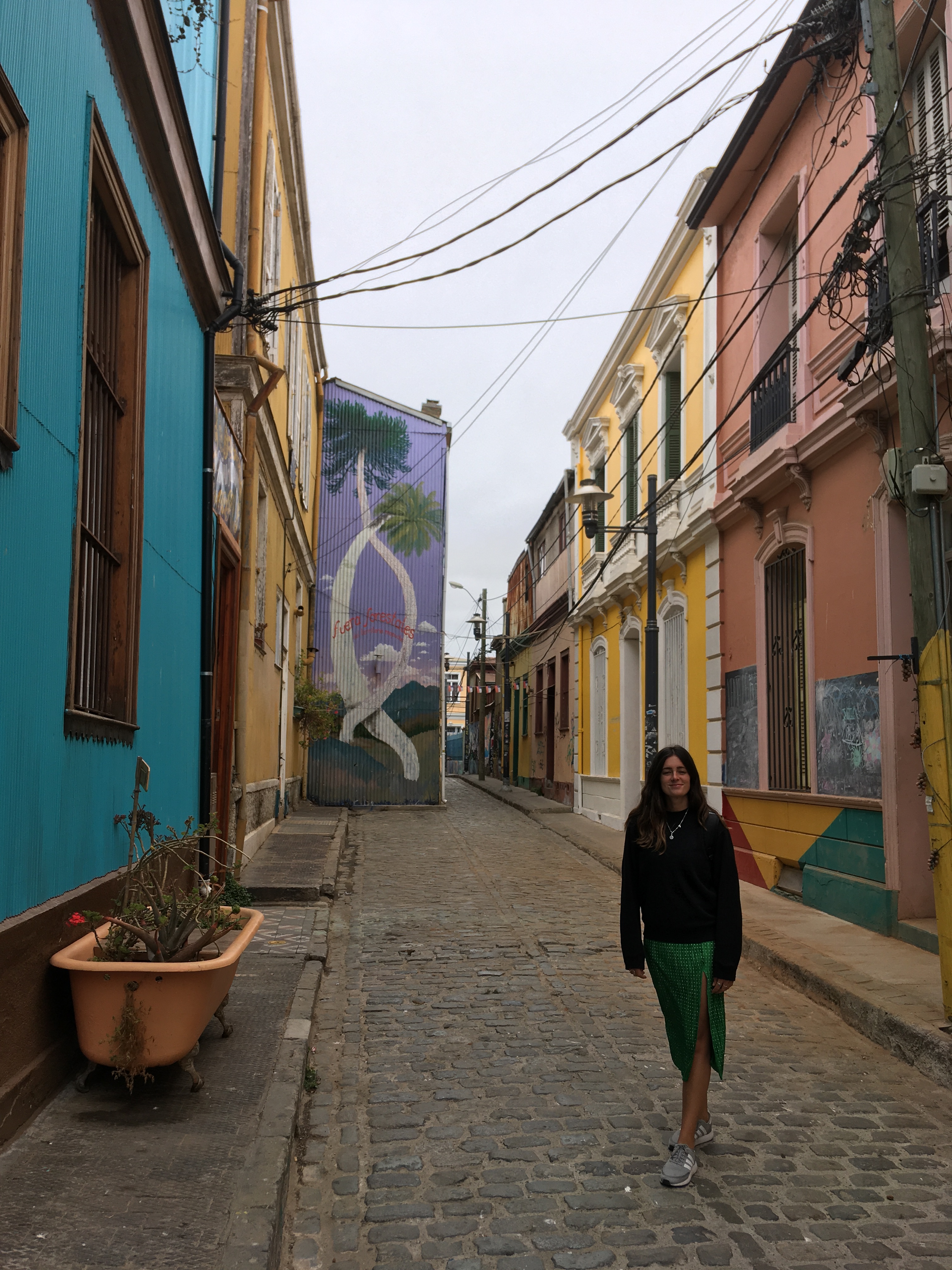
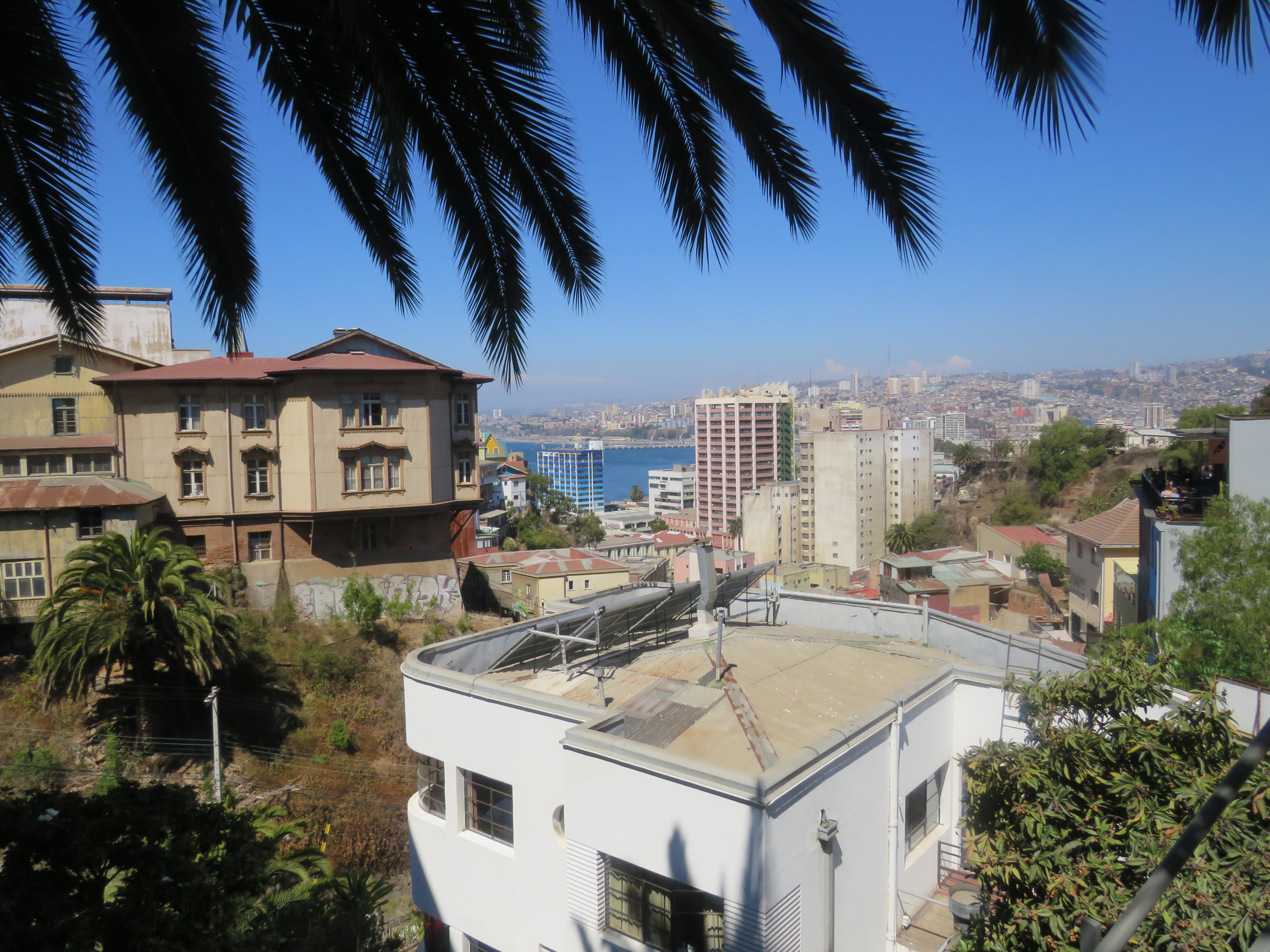
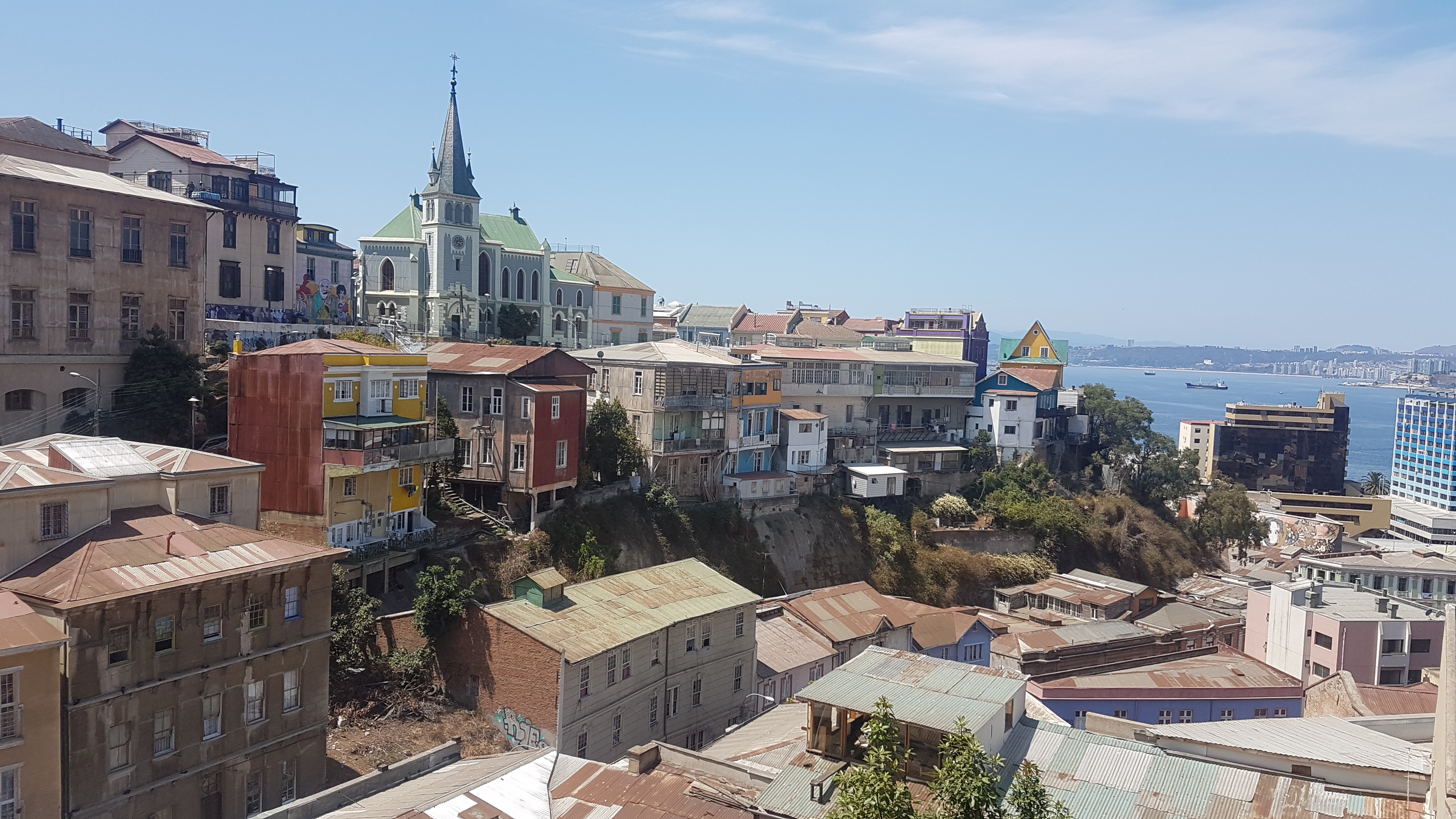
Based on first impressions, it’s not the most beautiful place; the actual centre is dirty, chaotic and loud – all the hallmarks of port city, but it really is a city of two halves. This central area, ‘El Plan’, is flat and functional, but then there are the ‘Cerros’ (hills) which have so much charm – every street makes you want to take the camera out. There are a great number of Cerros and it would take a lifetime to explore every single one (as well as impossible to navigate your way around them), we tried our best though! The Cerros are connected to the lower part of city by a series of rickety old funiculars which provide an interesting and original way to explore.

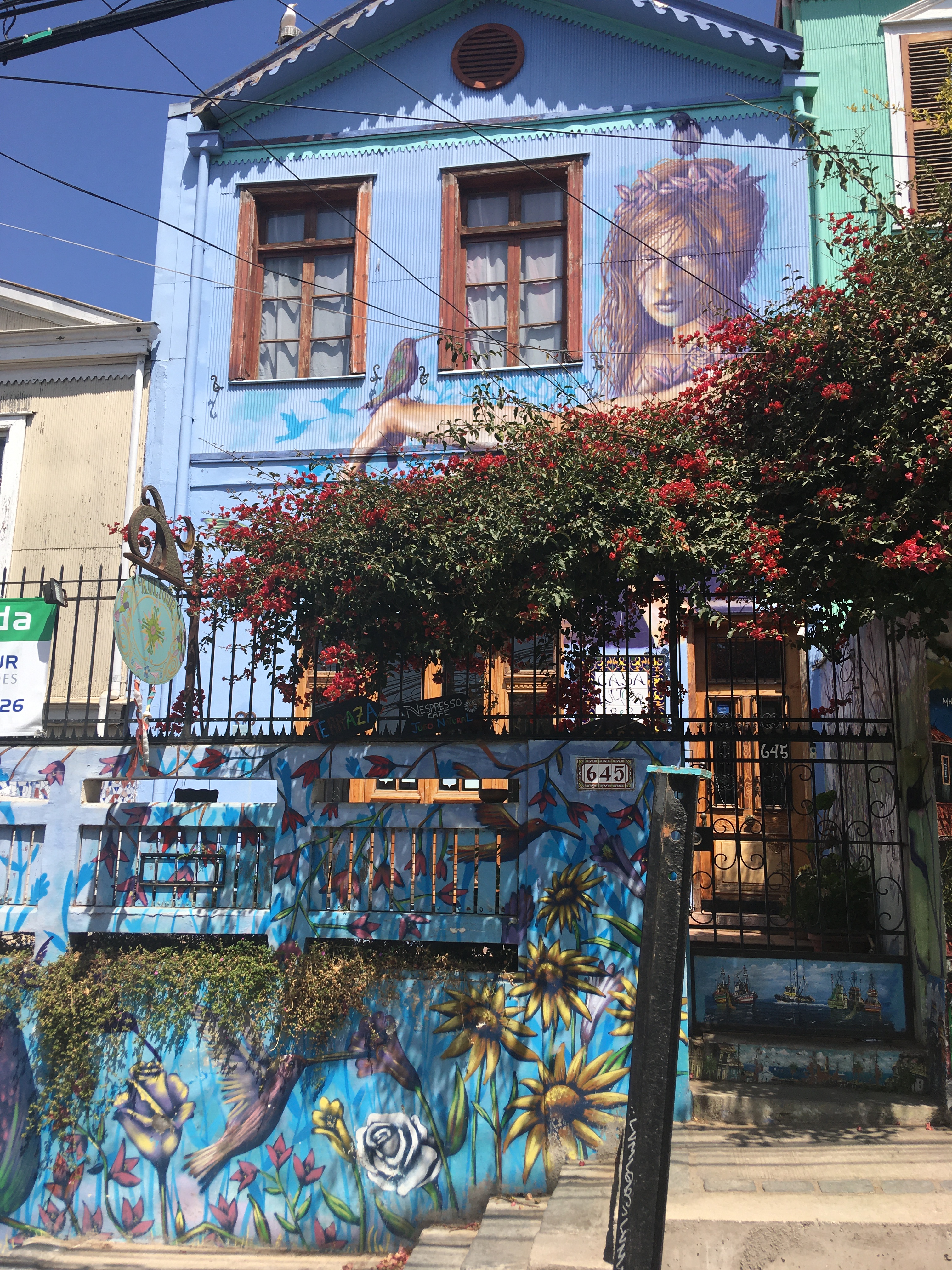
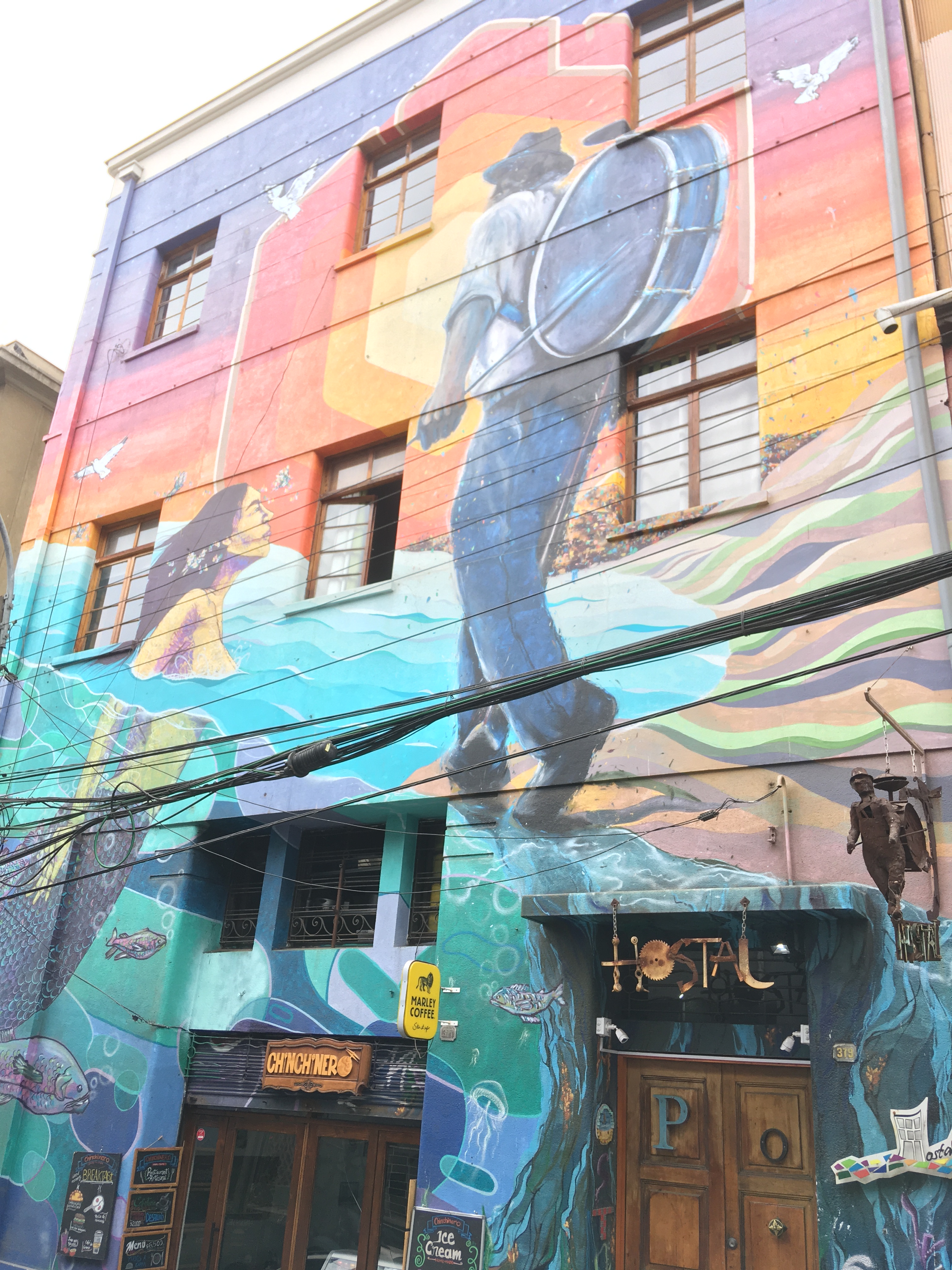
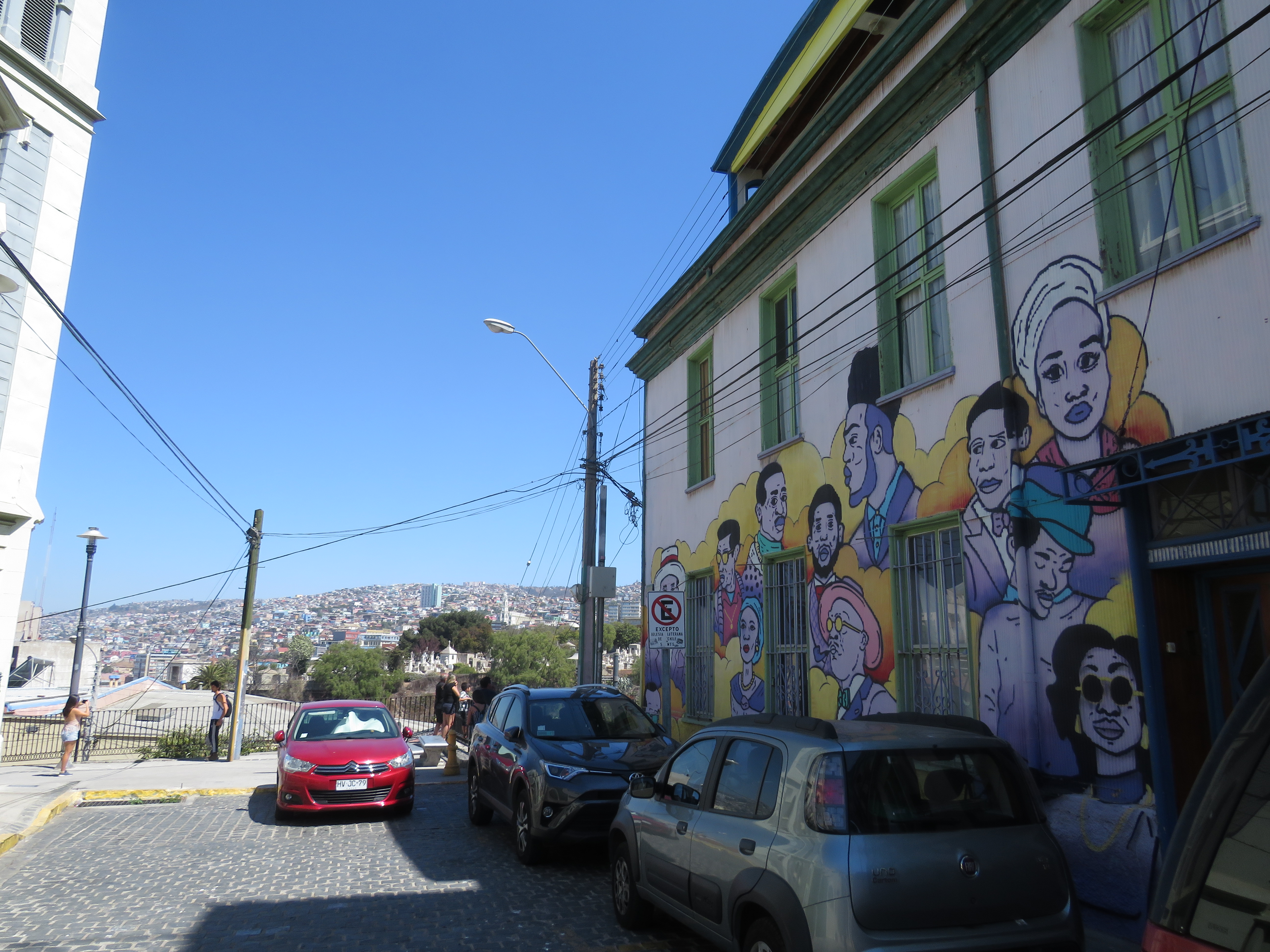
Valparaíso is a haven for graffiti artists and pretty much every building is artistically decorated. The city is essentially a free, outdoor art gallery! This adds to the already colourful houses with a backdrop of the Pacific to make some stunning views and photos.

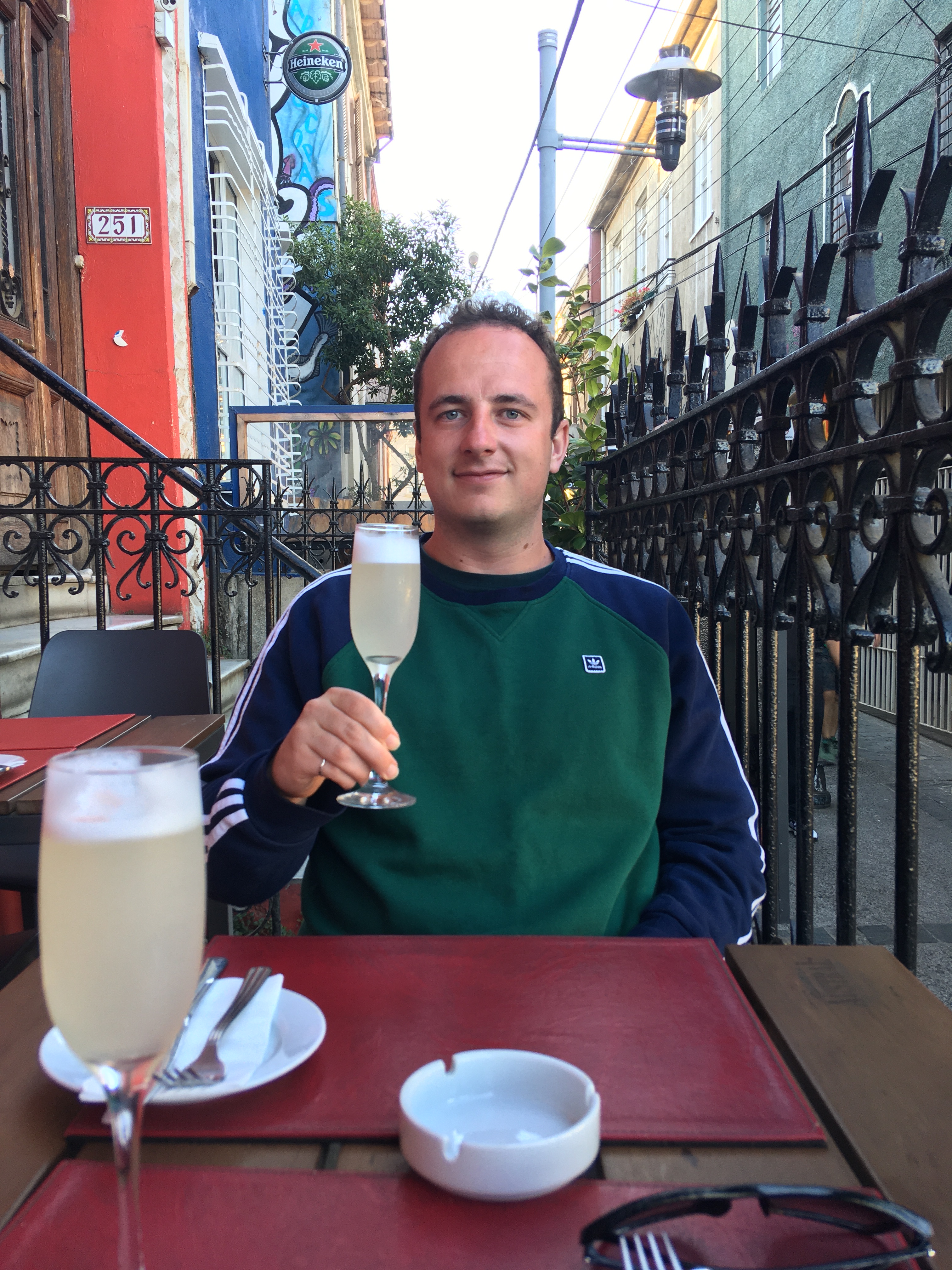
We stayed in a lovely old house with lots of character and huge windows where we spent a lot of time playing cards and drinking local (and cheap) red wine. Our walks around the hills were dotted with lots of stops to drink the famous Pisco Sour (a type of fruit brandy from Chile or Peru, depending whether you ask a Chilean or a Peruvian!) and eat some beautifully fresh ceviche – we felt these were deserved as we did a lot of walking up and down the hills.

We also took a trip to the neighbouring city of Viña del Mar, the “garden city”, as it’s known. It is a resort aimed at rich Santiago-dwellers and it could not have been any more different to Valpo – it had clean streets, high rise hotels and a long stretch of beach. Though we thought it lacked the character of Valparaíso, it was perfect for a day trip and a chilled afternoon on the beach.

Next stop: a long trip south to Patagonia!!!

Volunteering in Colliguay, Chile

Sorry it’s been a while, we’ve been struggling for wifi of late, so the next 3 posts might come in quick succession!

One of our main ideas for travelling was to try to do as much volunteering as we can, especially those which are focused on environmental causes. So it was great news when we were accepted to help on this eco project in Colliguay (central Chile) – over 2 hours away from the big cities.

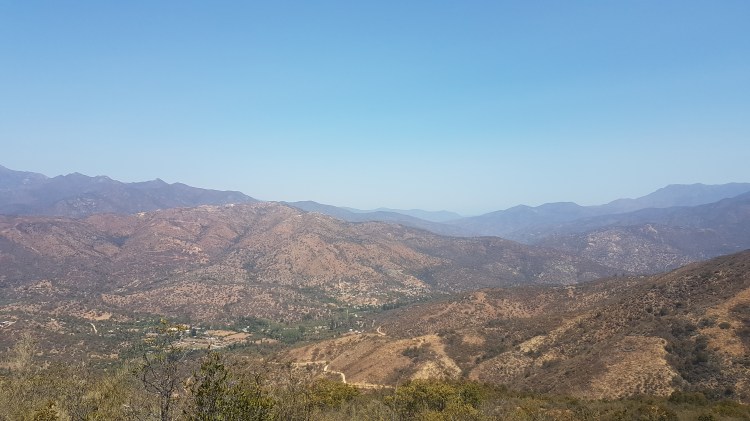
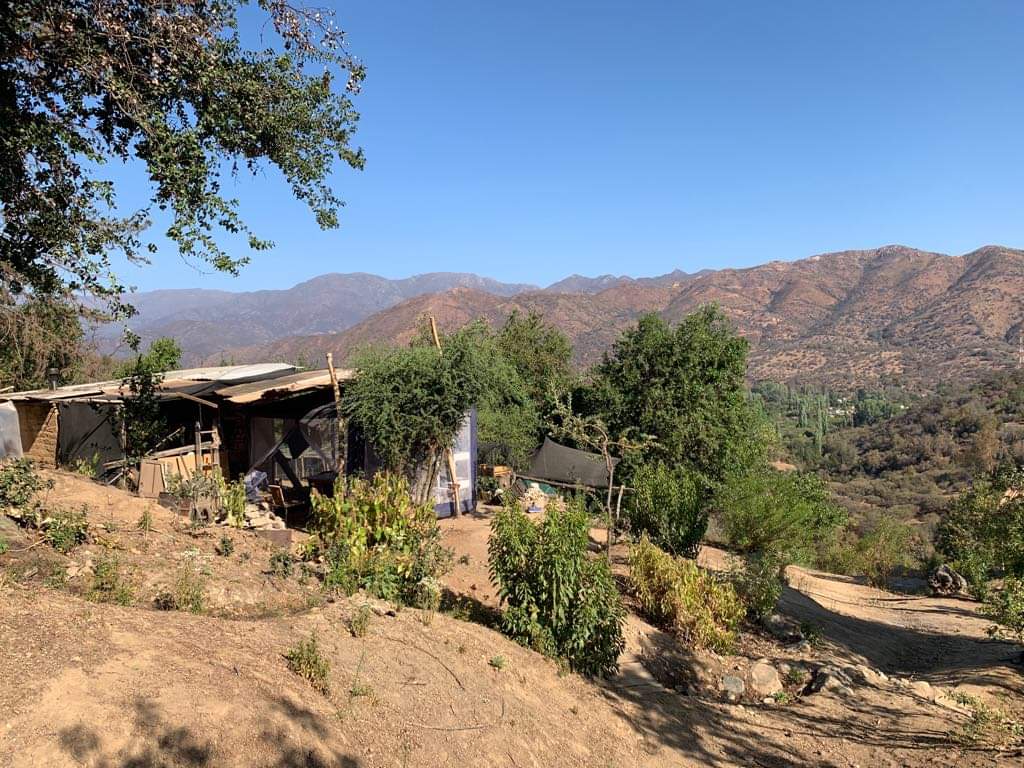
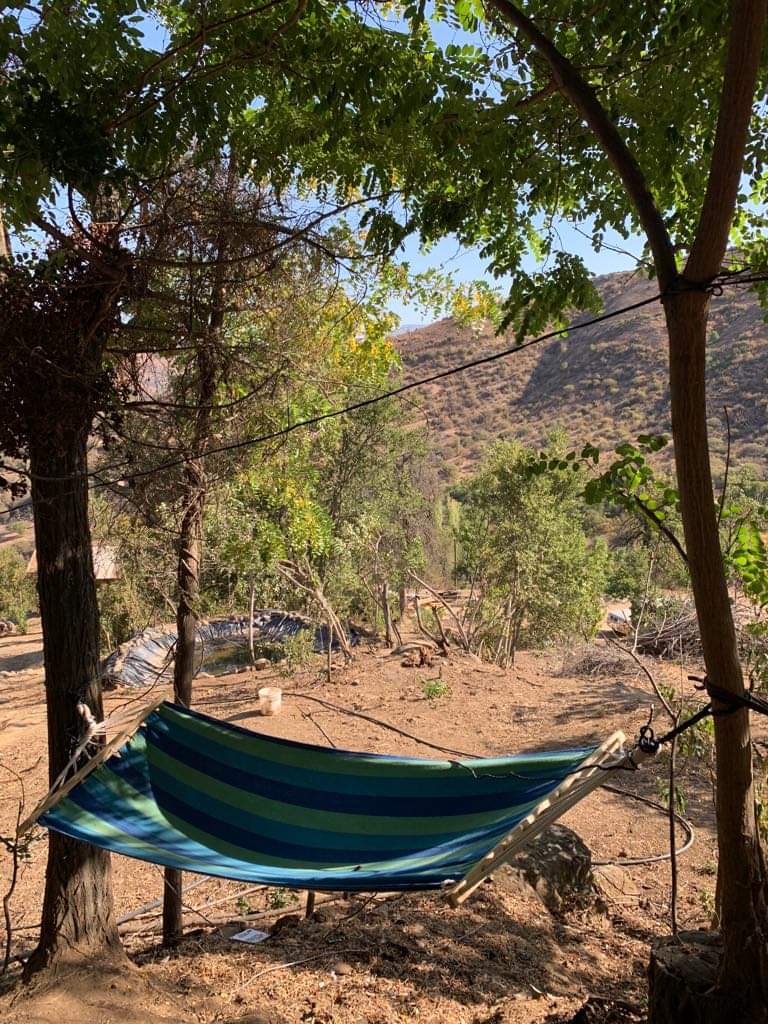
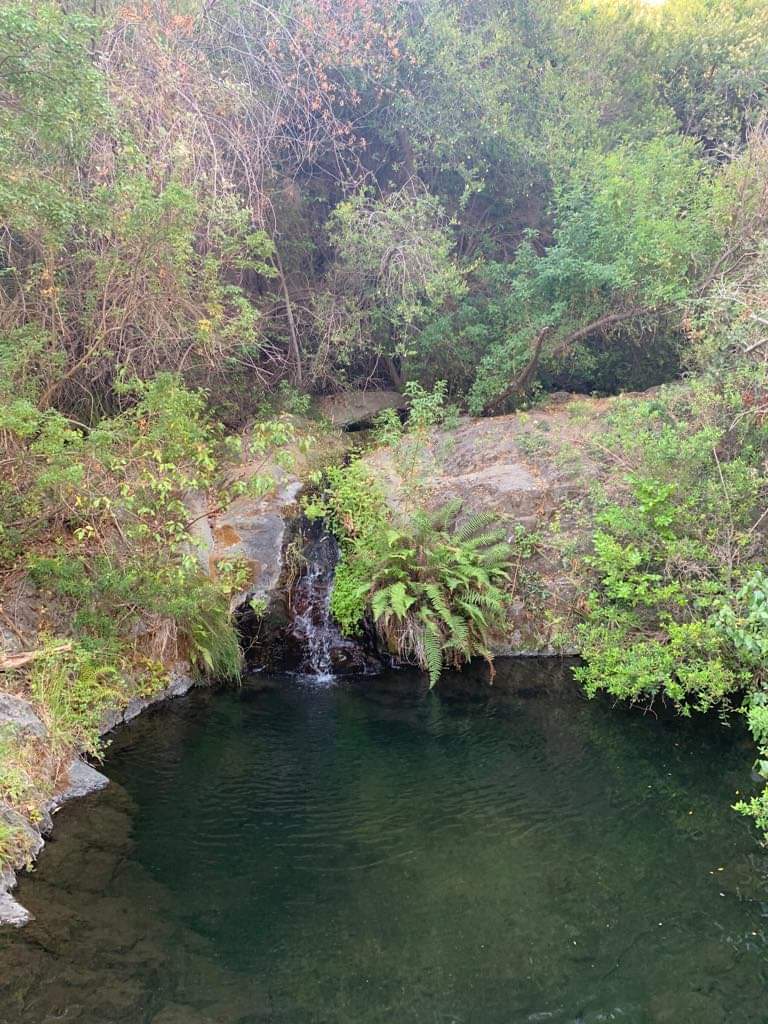
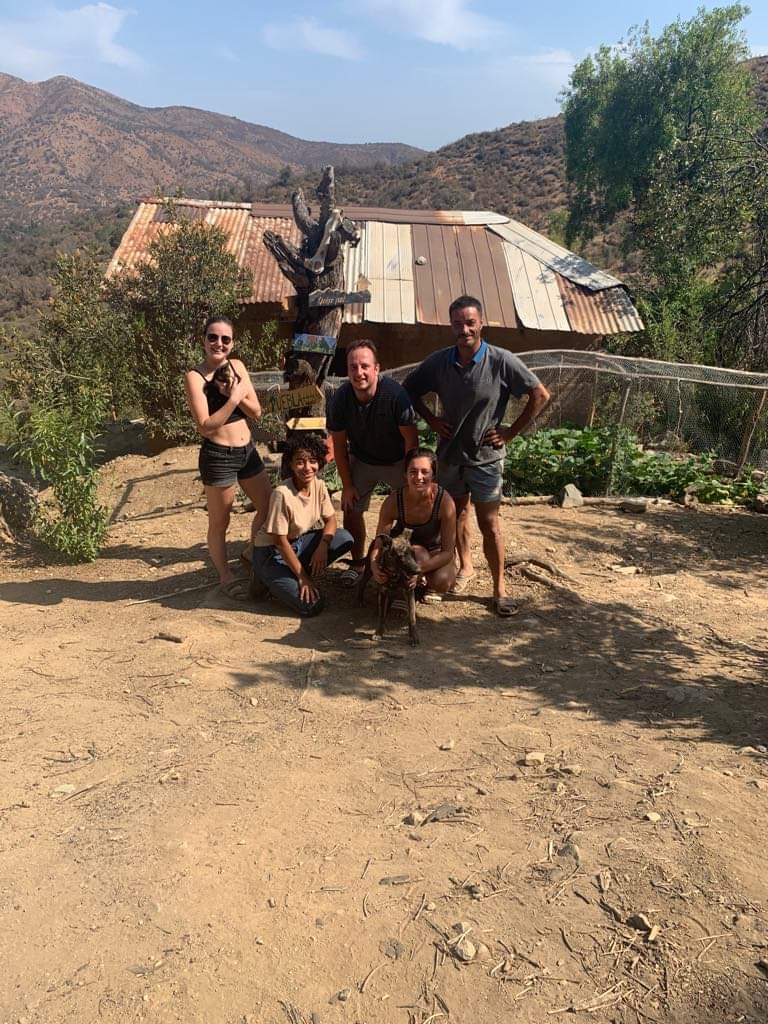
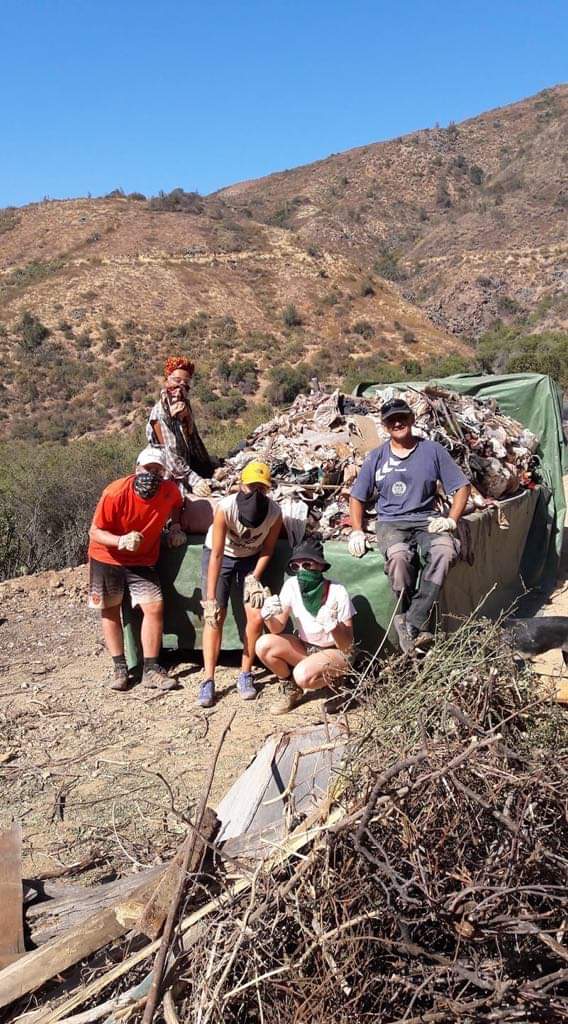
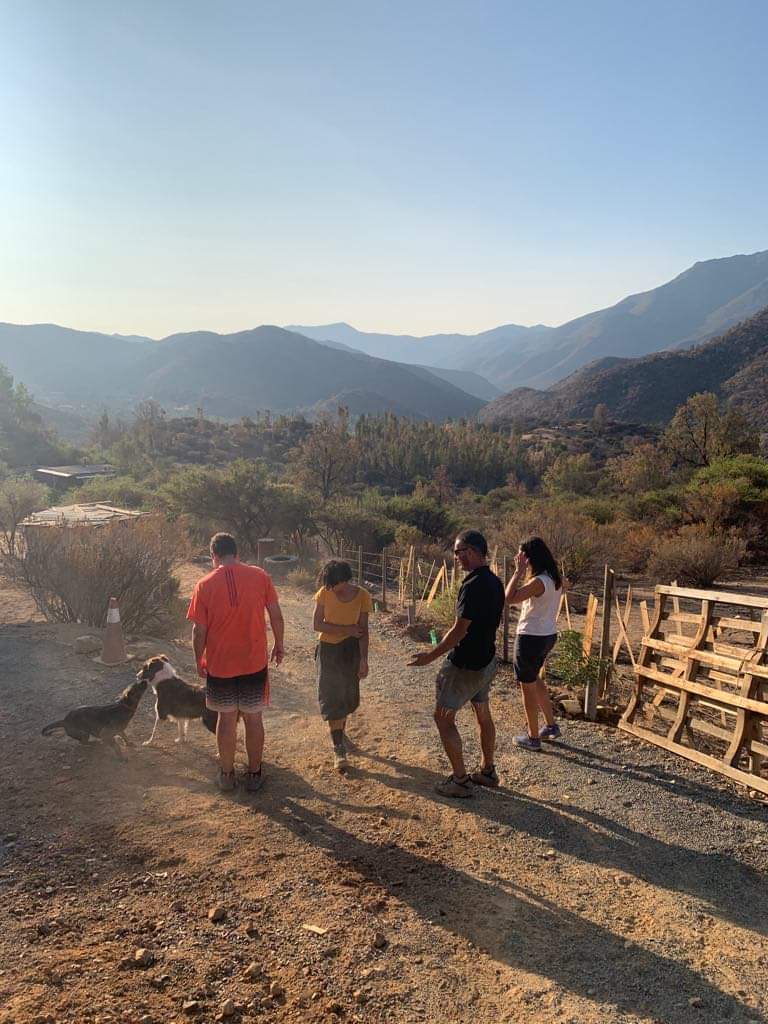
After a very bumpy drive through the mountains we arrived at our home for the next 2 weeks. We were shown to our accommodation (a tent…!) and given a tour of the forest and the very basic facilities (cold outside shower, dry toilet). The land is beautiful – 90 hectares of forest with hidden natural springs and waterfalls. We were struck by just how remote and isolated it was, after 6 weeks in big, noisy cities it was fantastic to be somewhere so quiet and full of clean air.

The project is named Aguamadrina (with the idea of a fairy godmother who takes care of the water) and aims to protect and restore the forest of the Colliguay Valley. This was a big, ambitious project that should take around 10 years to finish (we joined at around the 2nd year of its existence), however, it could be over well before then if the rains don’t come – the area is in the midst of a serious drought that could spell the end for the project as it would be impossible to live there. Hopefully 2020 will bring rain for the region!

Our work for the 2 weeks was pretty varied, but here are some of the things we helped with:

  • Bioconstruction of a building using mud/sand
  • Permaculture at the heart of everything we do (inc. above ecological building)
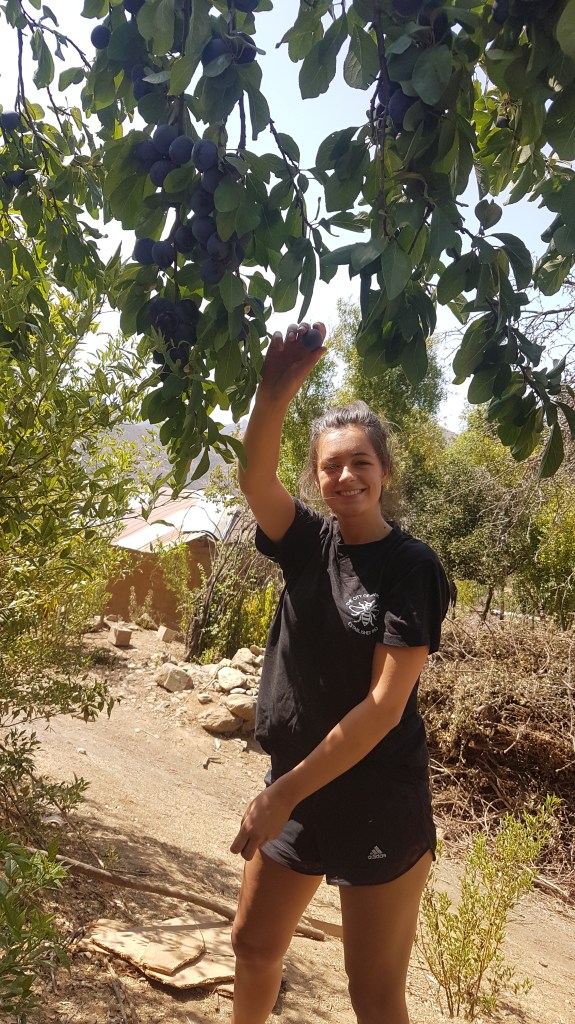
  • Picking fruit and vegetables
  • Building fences so that a local farmers cows didn’t eat all the aforementioned fruit and vegetables(!)
  • Digging and lots of hard manual labour
  • Helping at a local arts festival

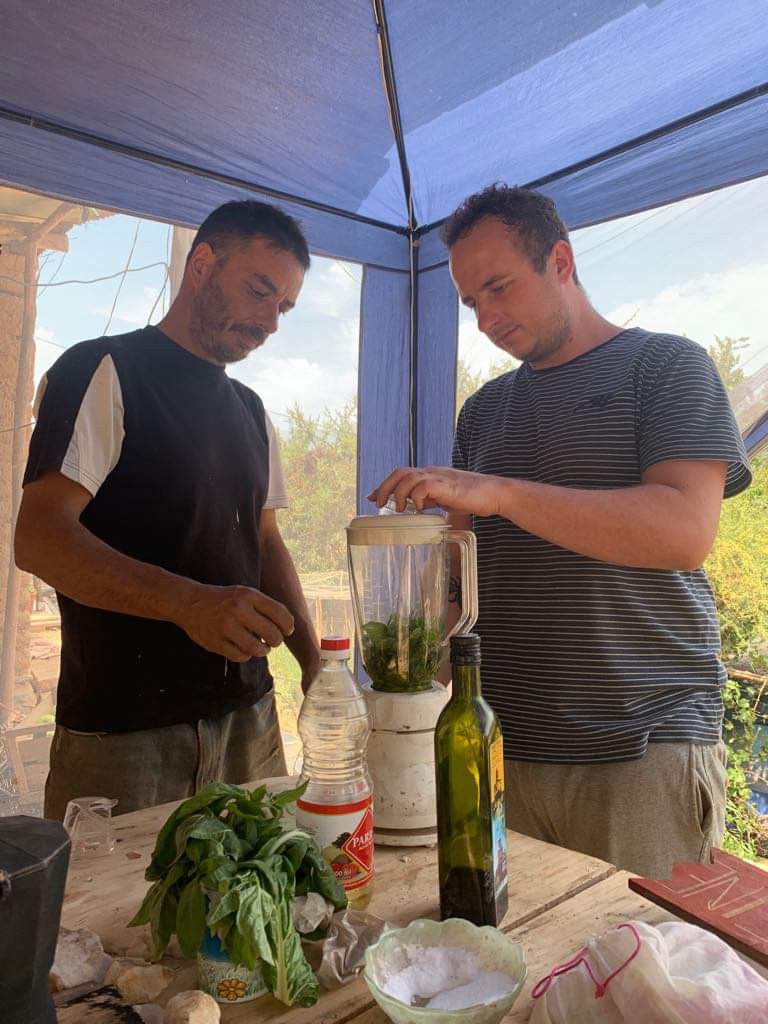
One of our favourite parts was that we pretty much lived off the land; most of the meals we had contained food that was grown there, picked with our own hands and cooked over fire. It was really refreshing to live so sustainably and is something we will try to replicate as much as possible as we continue our travels.

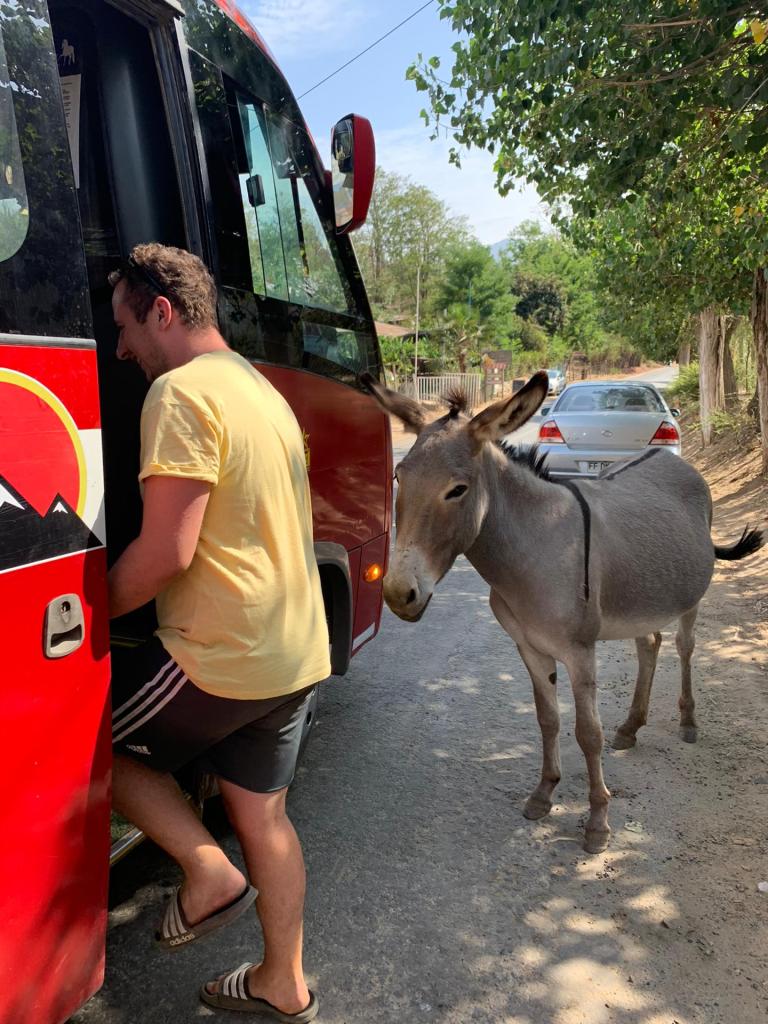
We loved how random rural life was in the valley of Colliguay – chasing cows away from the Aguamadrina land, attending a Pink Floyd tribute band concert, a full-moon outdoor screening of Woody the Woodpecker movie, and a donkey saying goodbye to us onto the bus as we left!

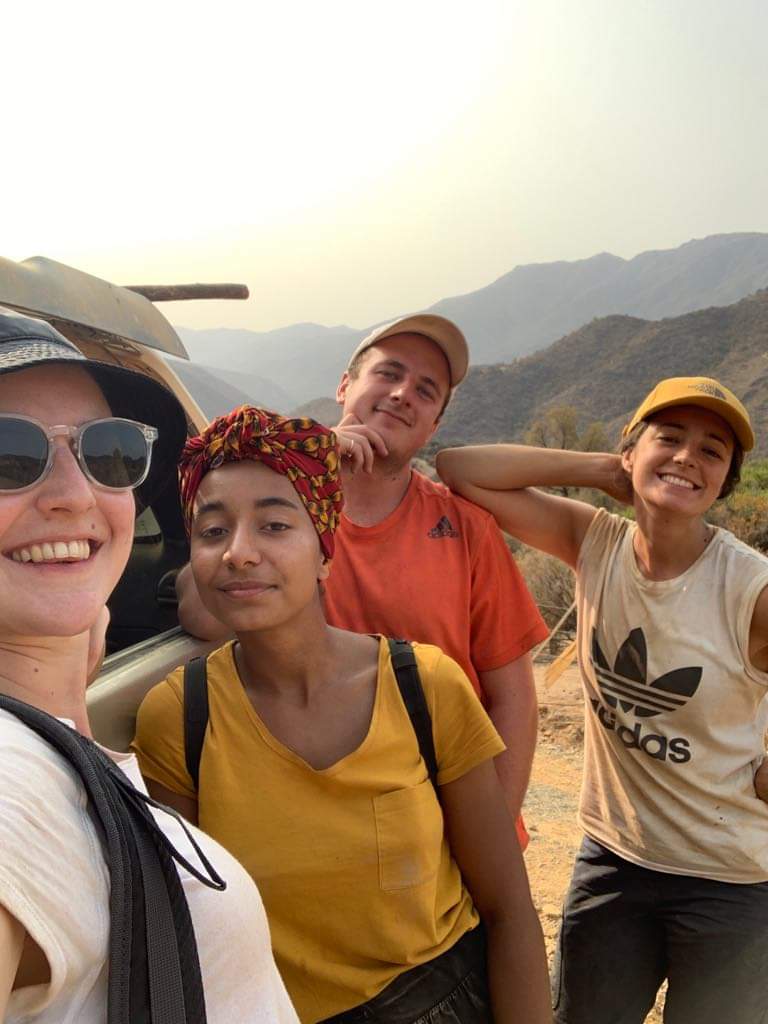
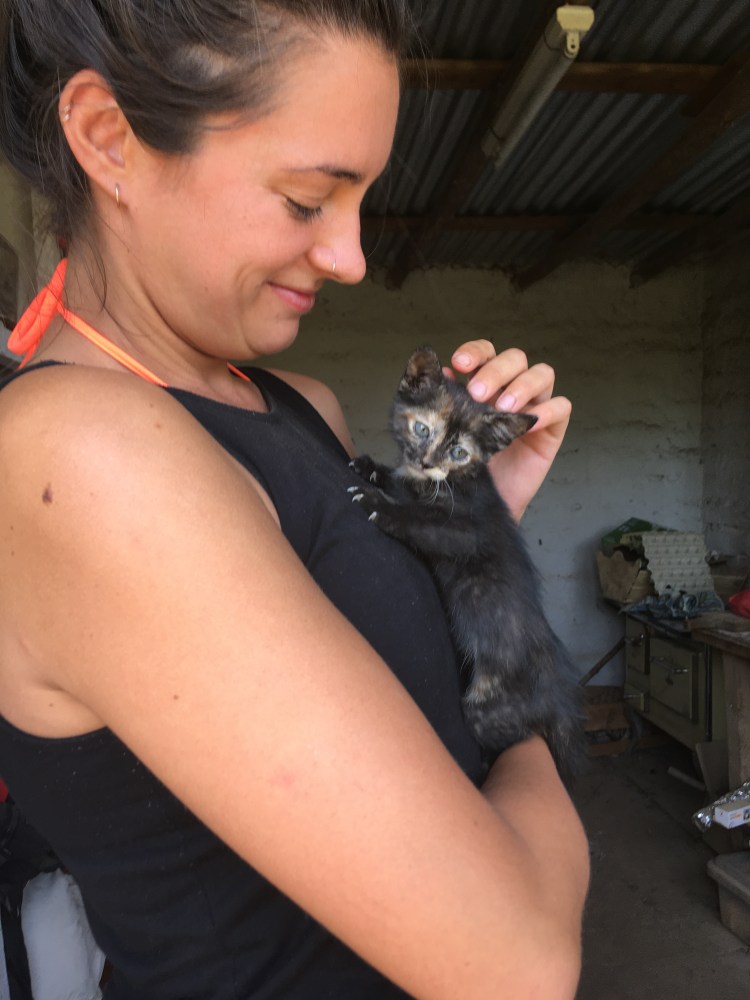
We had a great time here with our host (Gabriel) and the other volunteers (Keisha, from Paris and Bettina, from Brussels). Also the pets – the beautiful dog, Maqui, and the 1-month old kitten, Morita (whose company we enjoyed far more than the tarantulas and snakes that also lived nearby!). We’ll miss the hard work and being outside all the time, but maybe we won’t miss the tent…!

Santiago, Chile

After a few days of fresh air on the coast, it was time to return to the bustling capital of Chile.

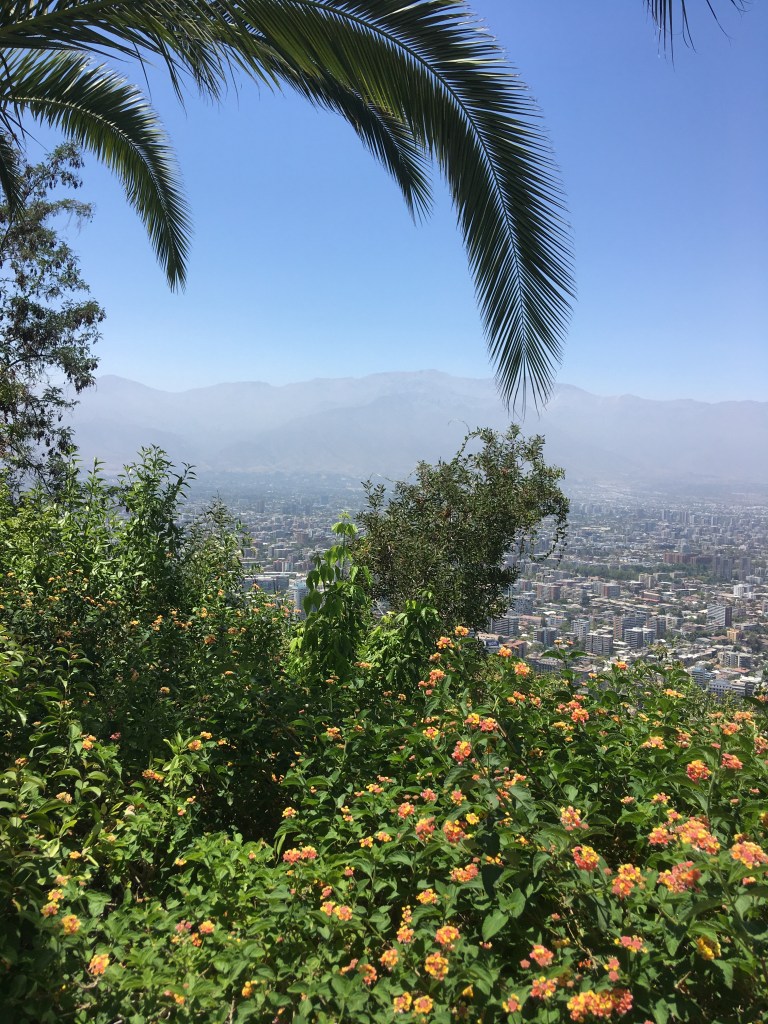
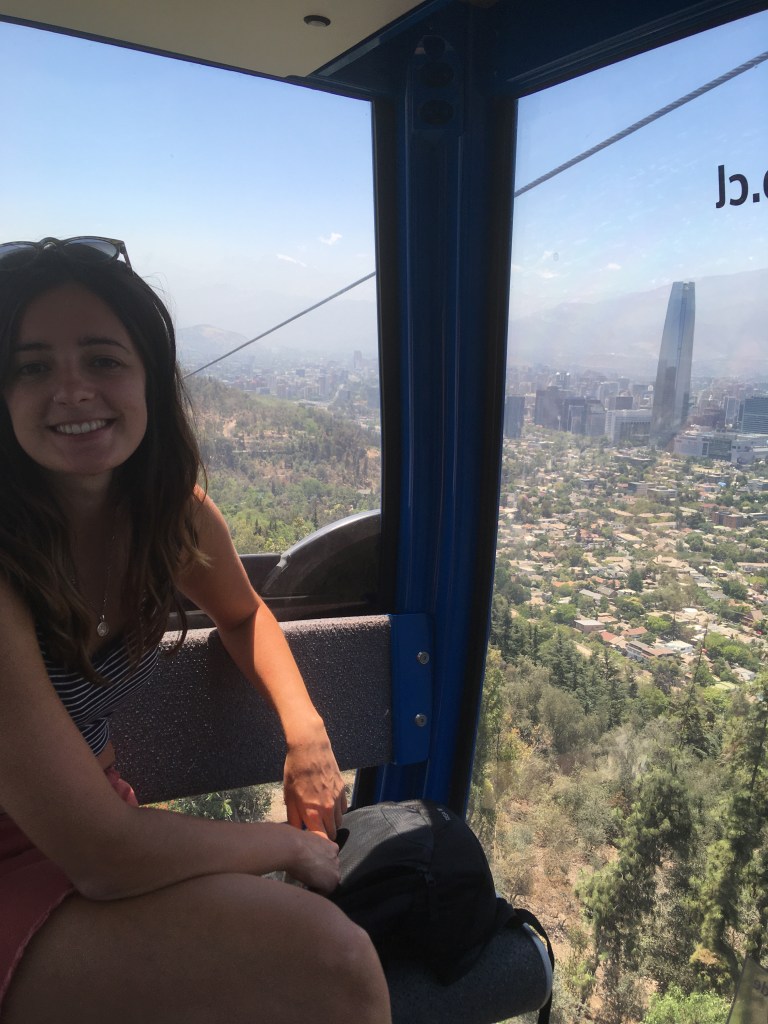
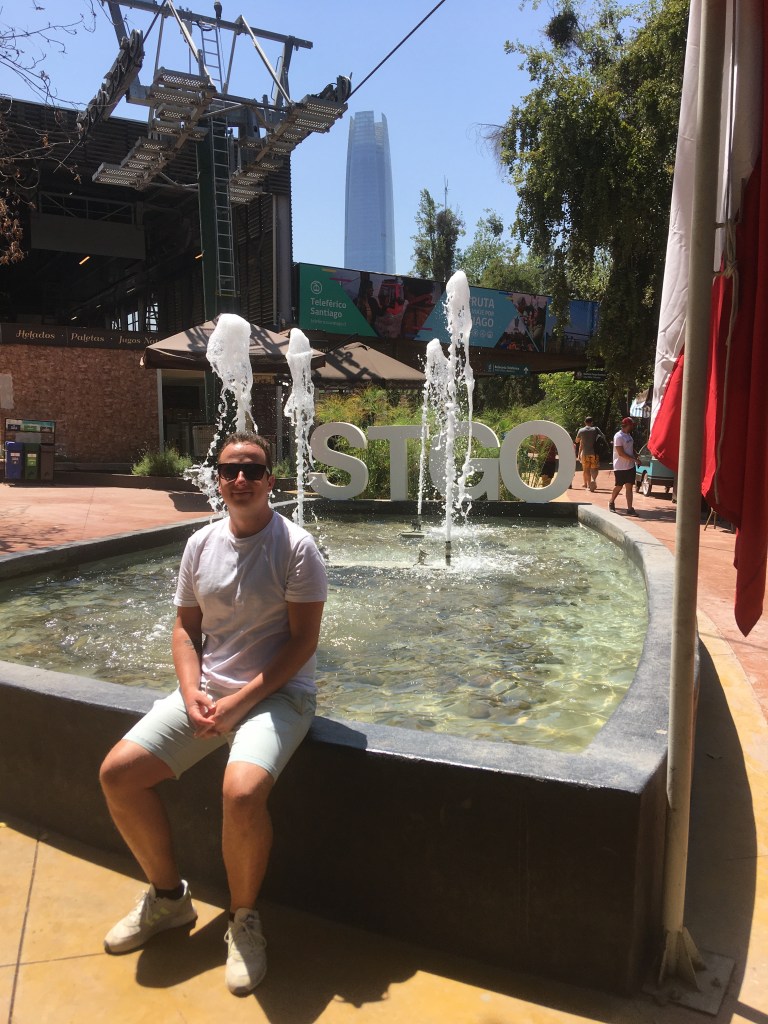
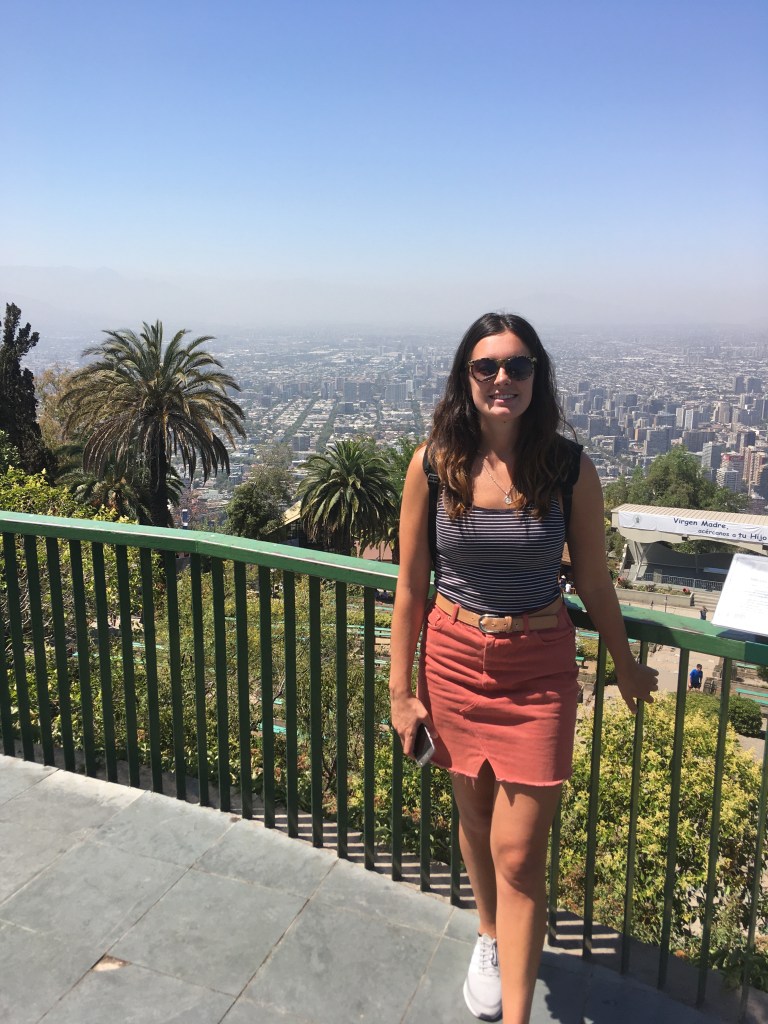
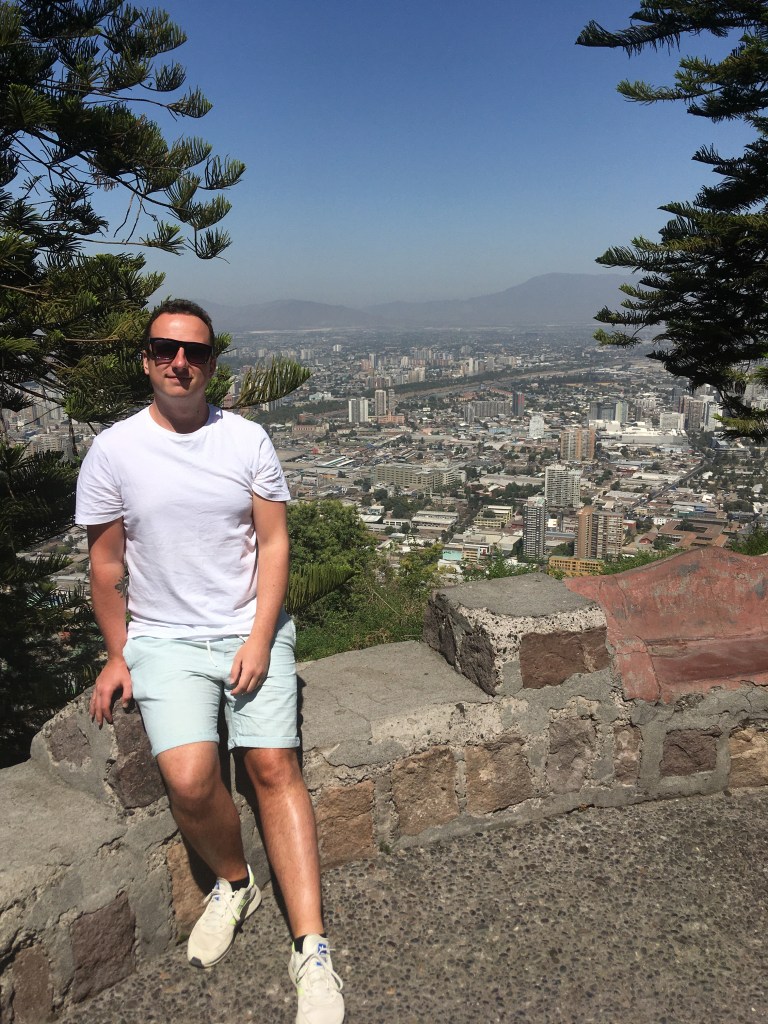
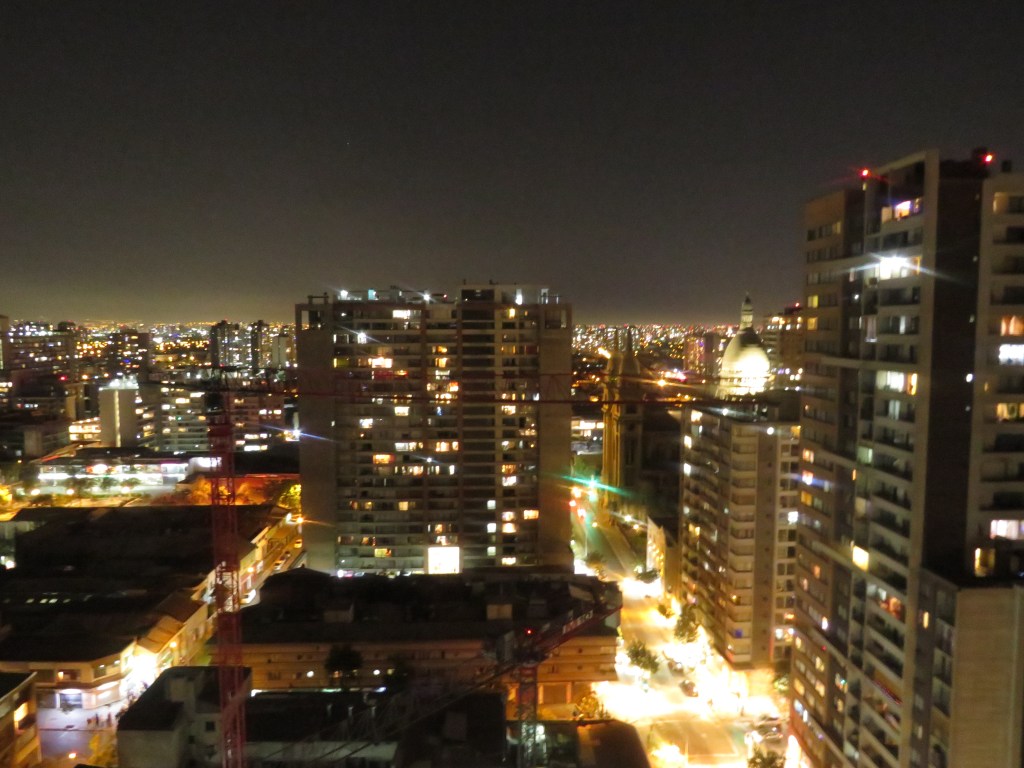
With protests ongoing since October, it was an interesting time to visit. However, we still managed to find pockets of relative peace where we could enjoy some of the capital’s charms – like it’s colourful, vibrant neighbourhoods (Bellavista, Lastarria and Italia) filled with street art, restaurants and bars. We also took a funicular and cable car ride over the city with spectacular views.

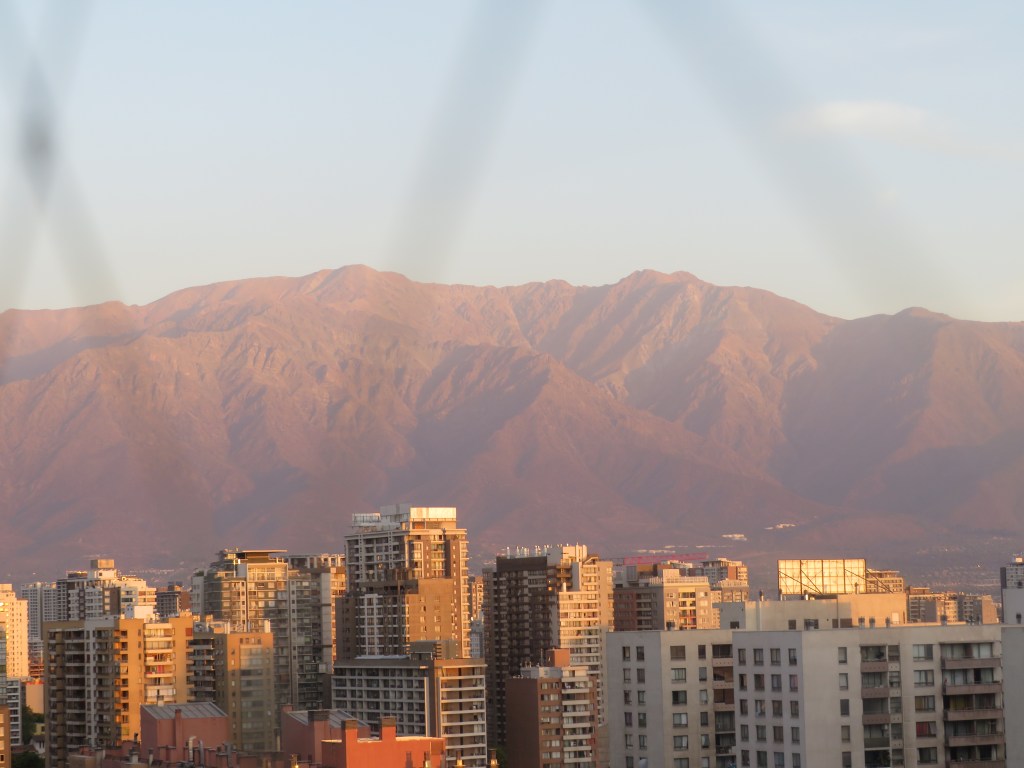
Santiago is remarkable for the fact that you are surrounded by the Andes, the second highest mountain range on the planet, so you can see mountains (and some snow) from pretty much everywhere.

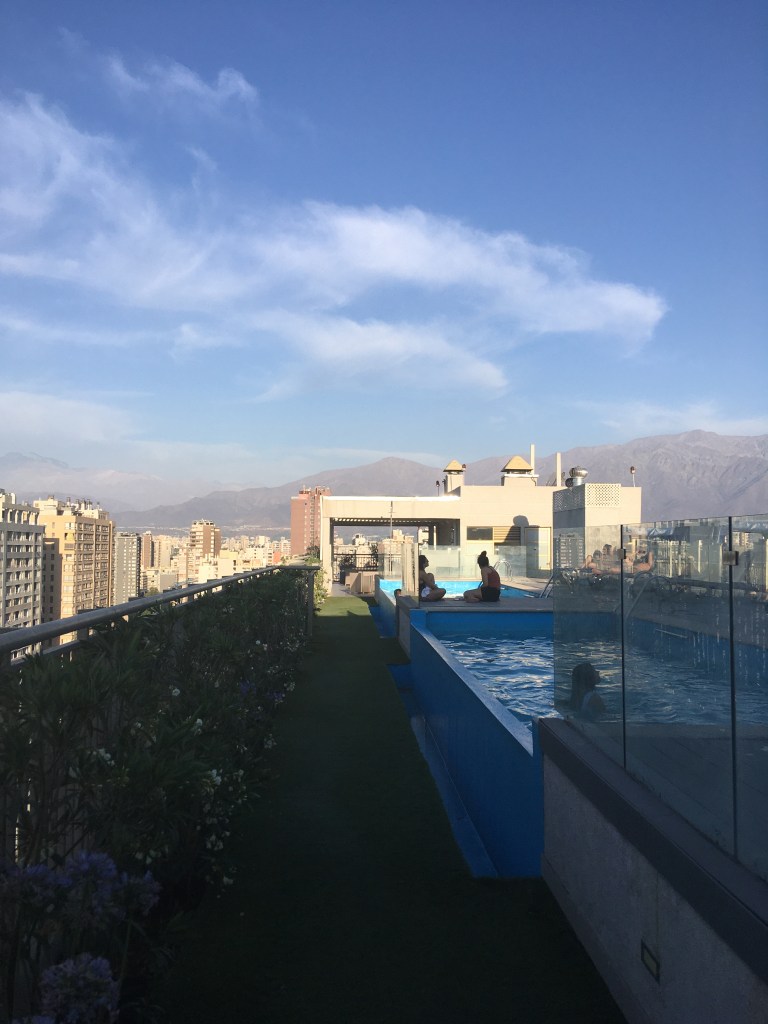
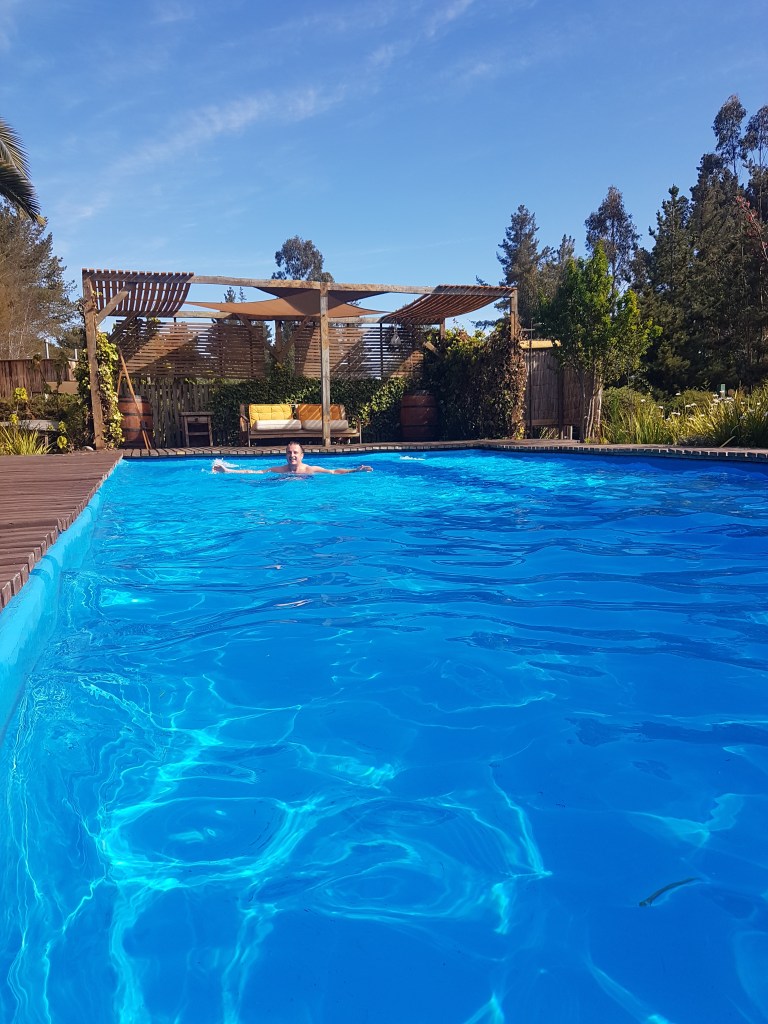
We were lucky to have a rooftop pool and terrace in our accommodation – this was great for cooling down but also for taking in the views. It also meant we could watch the New Years Eve fireworks from up high.

So, an interesting week!

**The protests in Santiago (and other parts of Chile) began on October 14th, initially in response to a rise in price on the metro, but which has expanded to include the increase in the cost of living and the stark inequality of Chilean society. Months of demonstrations have clearly taken their toll on the country and there is no clear end in sight. It seems unlikely that the centre-right government will meet the protesters’ aims and equally unlikely that the protesters will simply abandon their cause. As it stands, people (and tourists) just attempt to go about their business, breathing in tear gas and avoiding water cannon as they go.

Christmas in Algarrobo, Chile

Happy New Year! Sorry we’re a little behind…

We’re taking a short break from Argentina (we’ll be returning in a few weeks), but for now onto Chile!

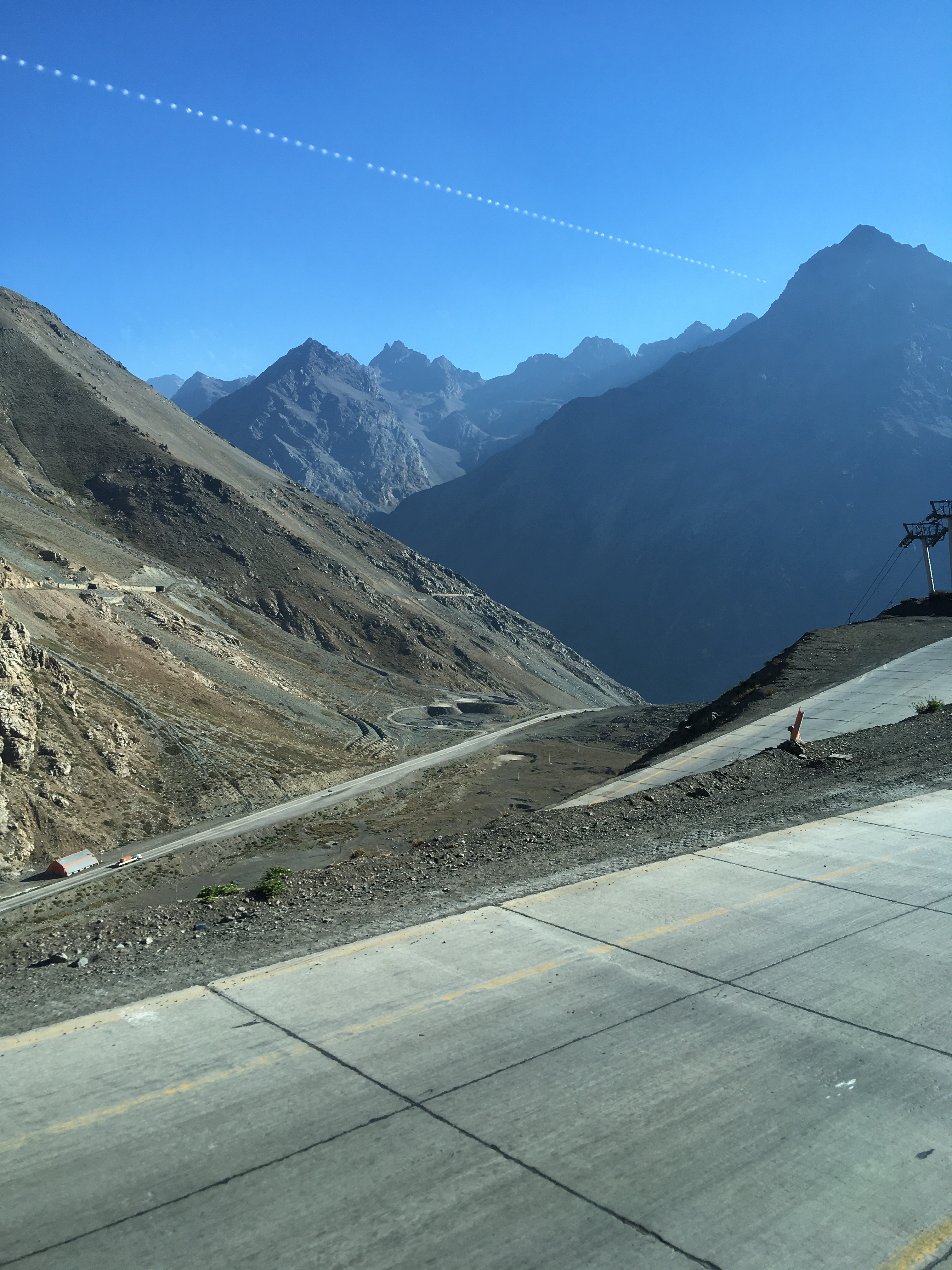
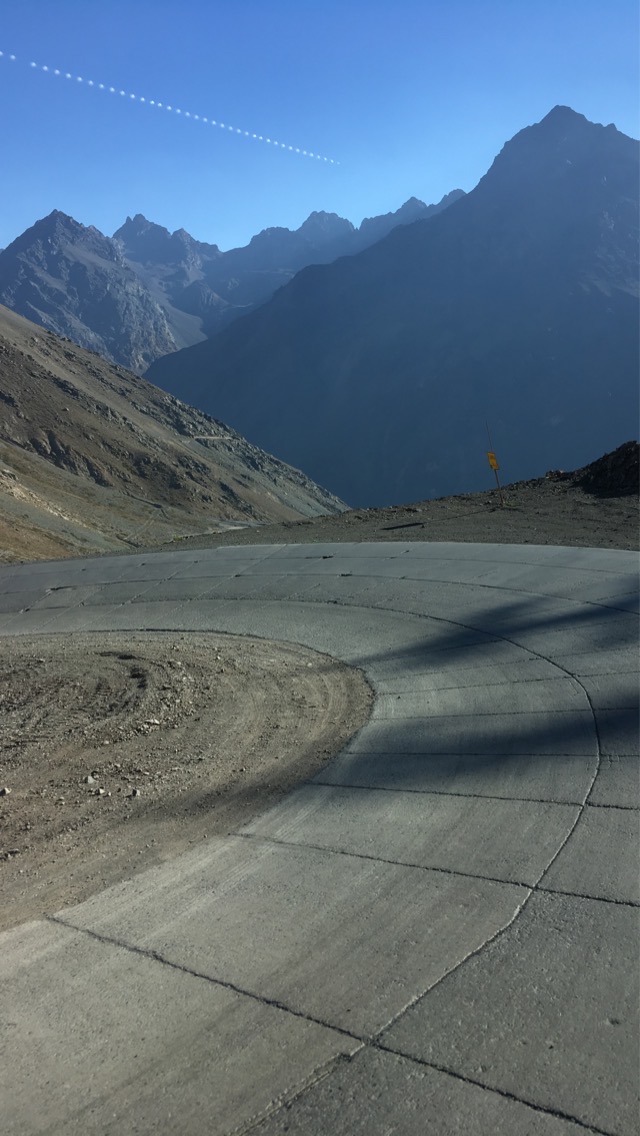
We survived the 9th most dangerous road in the world (Paso de los Caracoles) in the Andes between Argentina in Chile and, following a quick stopover in Santiago, we headed to the Pacific.

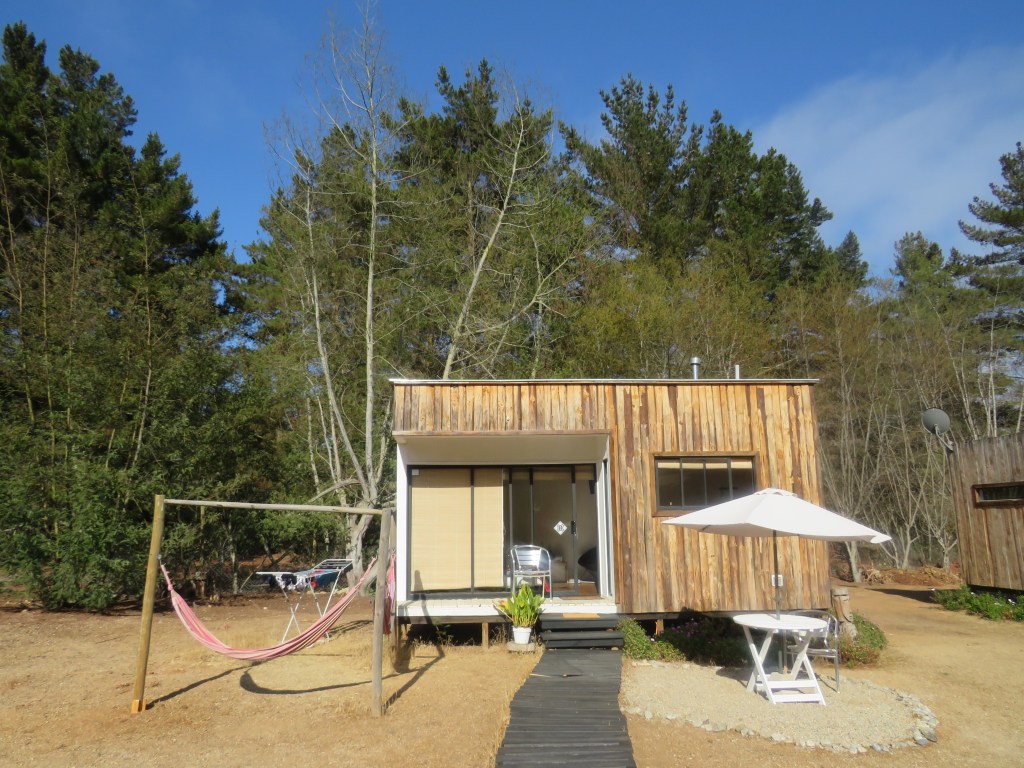
We spent 3 nights over Christmas in a beautiful cabin in the outskirts of the small town of Algarrobo. Situated off a dirt road in the middle of the forest, we didn’t realise how much we needed some peace and quiet! We were delighted with the cool Pacific breeze and temperatures of 20°C during the day and 10 at night (when we could finally wear some of the warm clothes that we’d been carrying around needlessly for so long!).

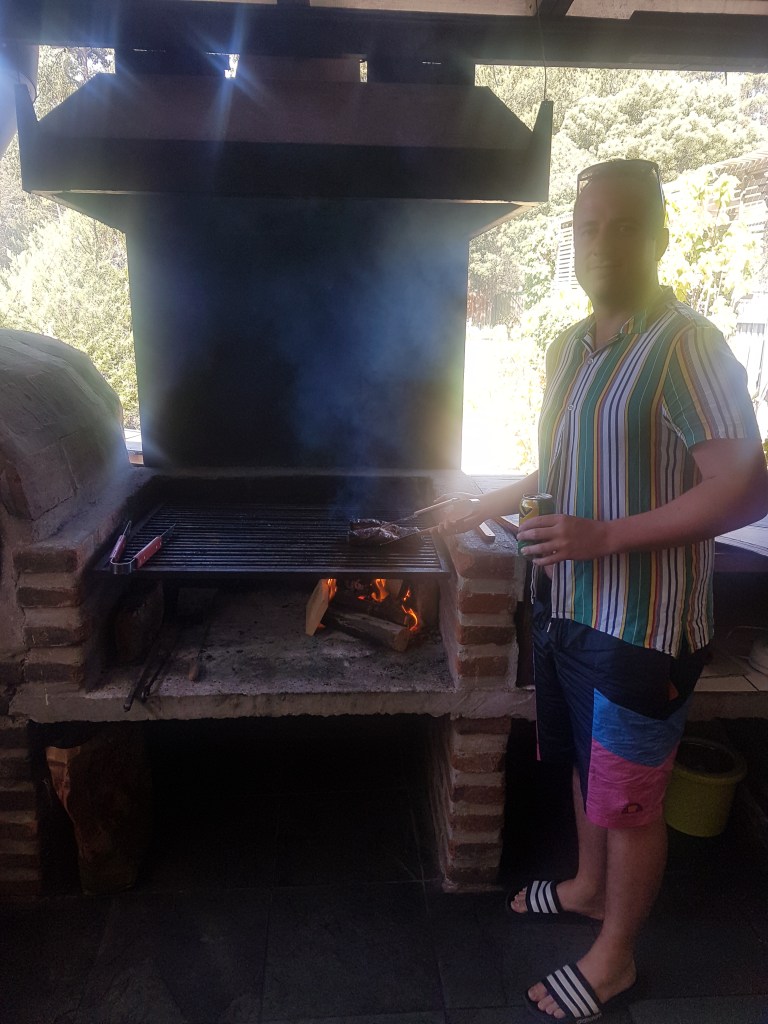
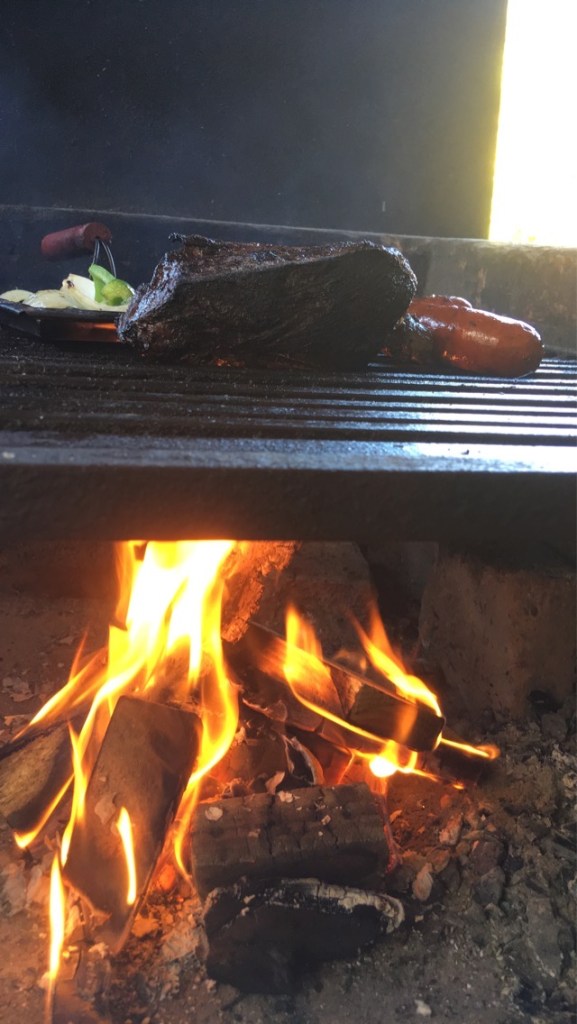
Spending Christmas in another country was a new experience for us, it was great but we did miss family (and pigs in blankets!). Instead of the usual turkey, we had a wood-fired barbecue with lots of Chilean Carménère – perfect.

So that was our Christmas, lots of food, wine and relaxation, and now we feel refreshed and ready to explore a little more of Chile.

Rosario & Córdoba, Argentina

Rosario

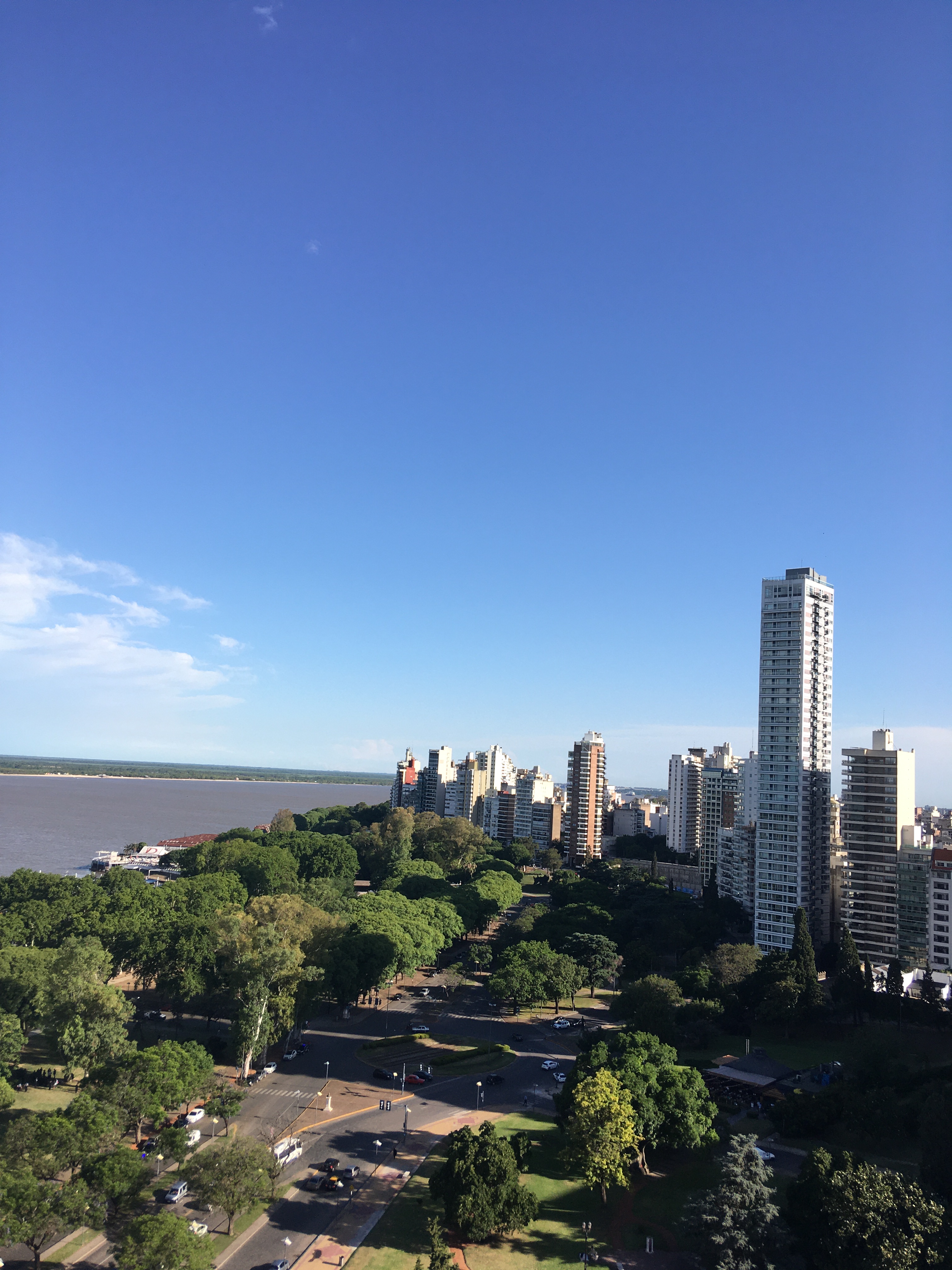
We took a “round the houses” kind of route to Rosario, flying from Iguazú to Buenos Aires and then taking a 5-hour coach to Rosario, when we could have just gone directly to Rosario – but hey, we’re new to travelling!

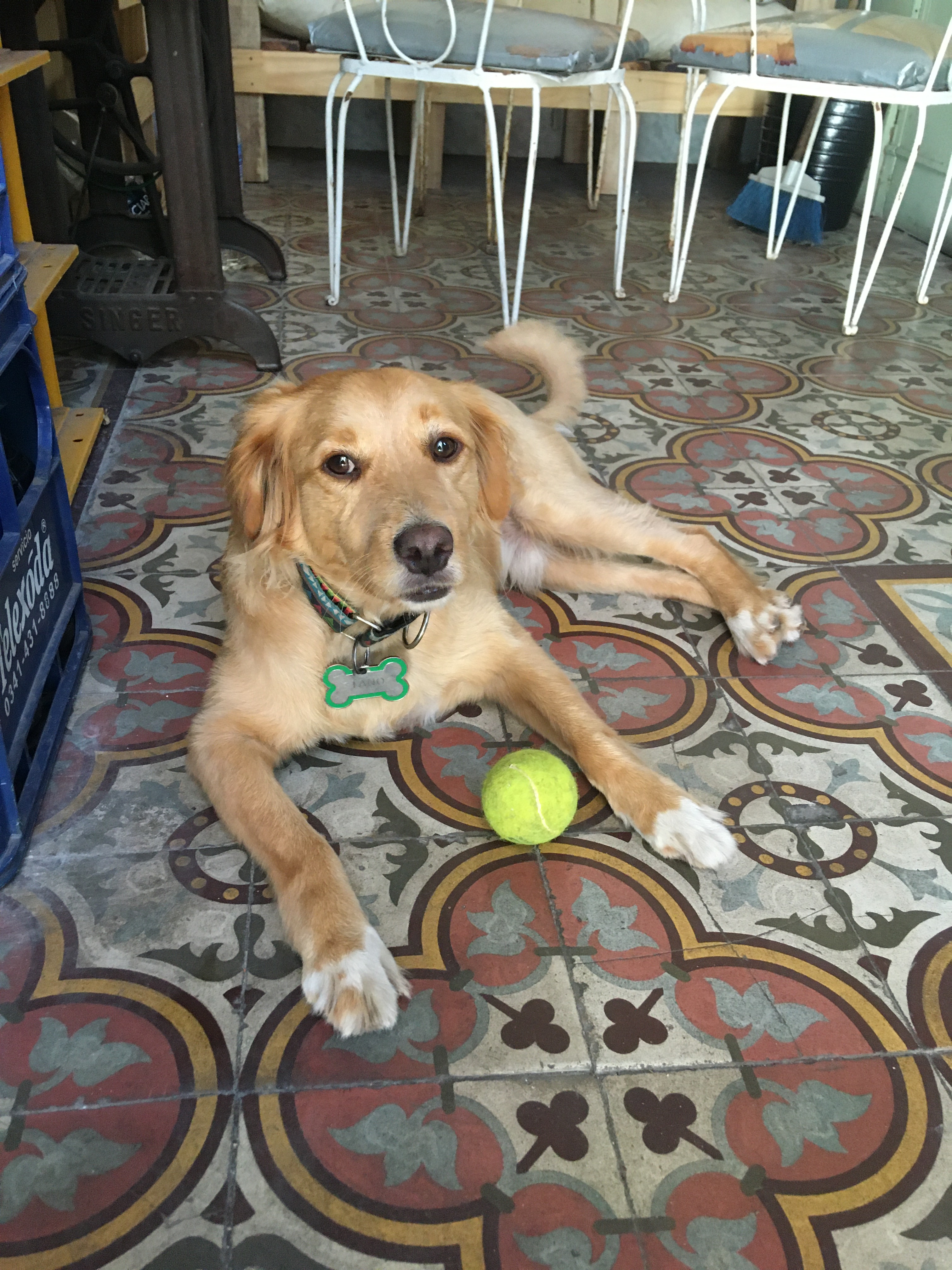
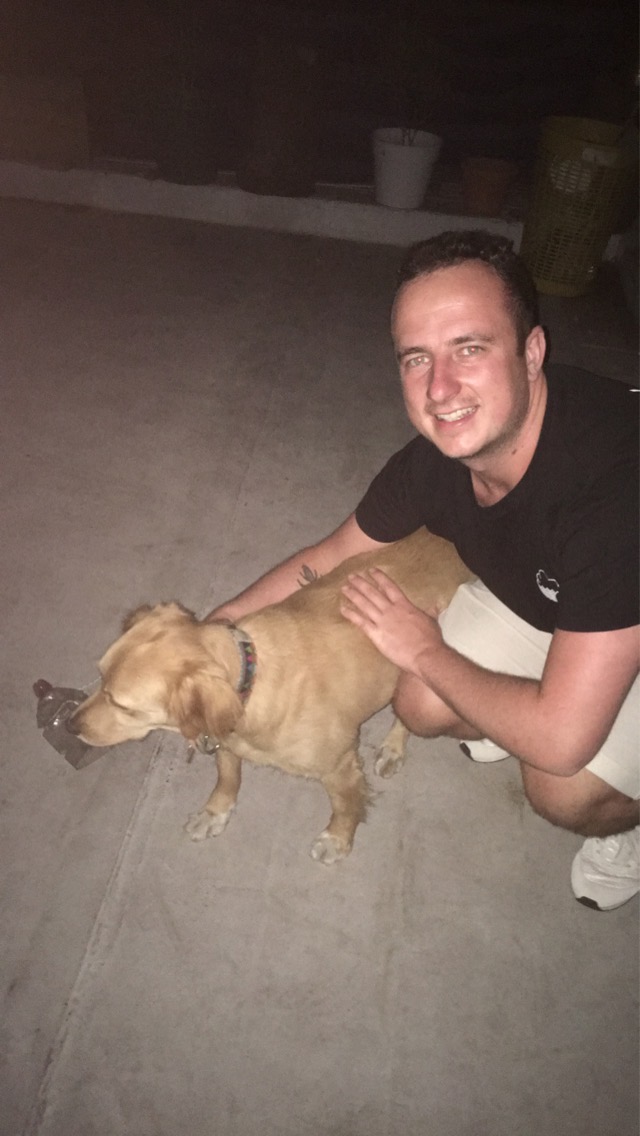
So after a long day of various forms of transport, we arrived and were instantly perked up when we got to our accommodation to find that there was a dog – Tano! Our guesthouse was beautiful, an old building full of rustic charm and character.

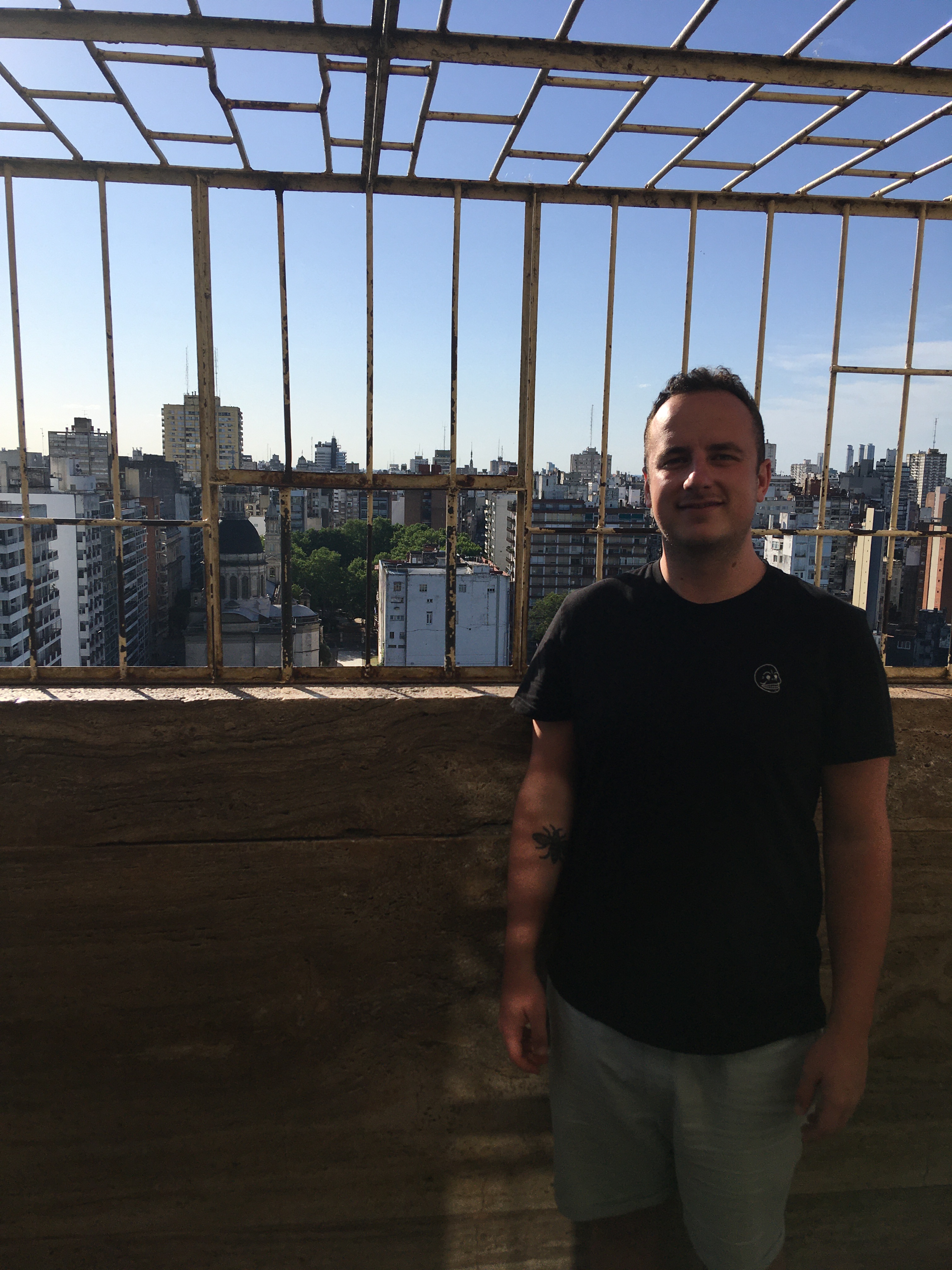
Rosario was a lovely city with a laid-back vibe which was perfect for us. It was very walkable and also had a great sports bar with 70p pints – perfect for watching yet another disappointing United performance…!

Some facts about Rosario:
– It is Lionel Messi’s hometown
– It is the birthplace of the famous revolutionary Che Guevara
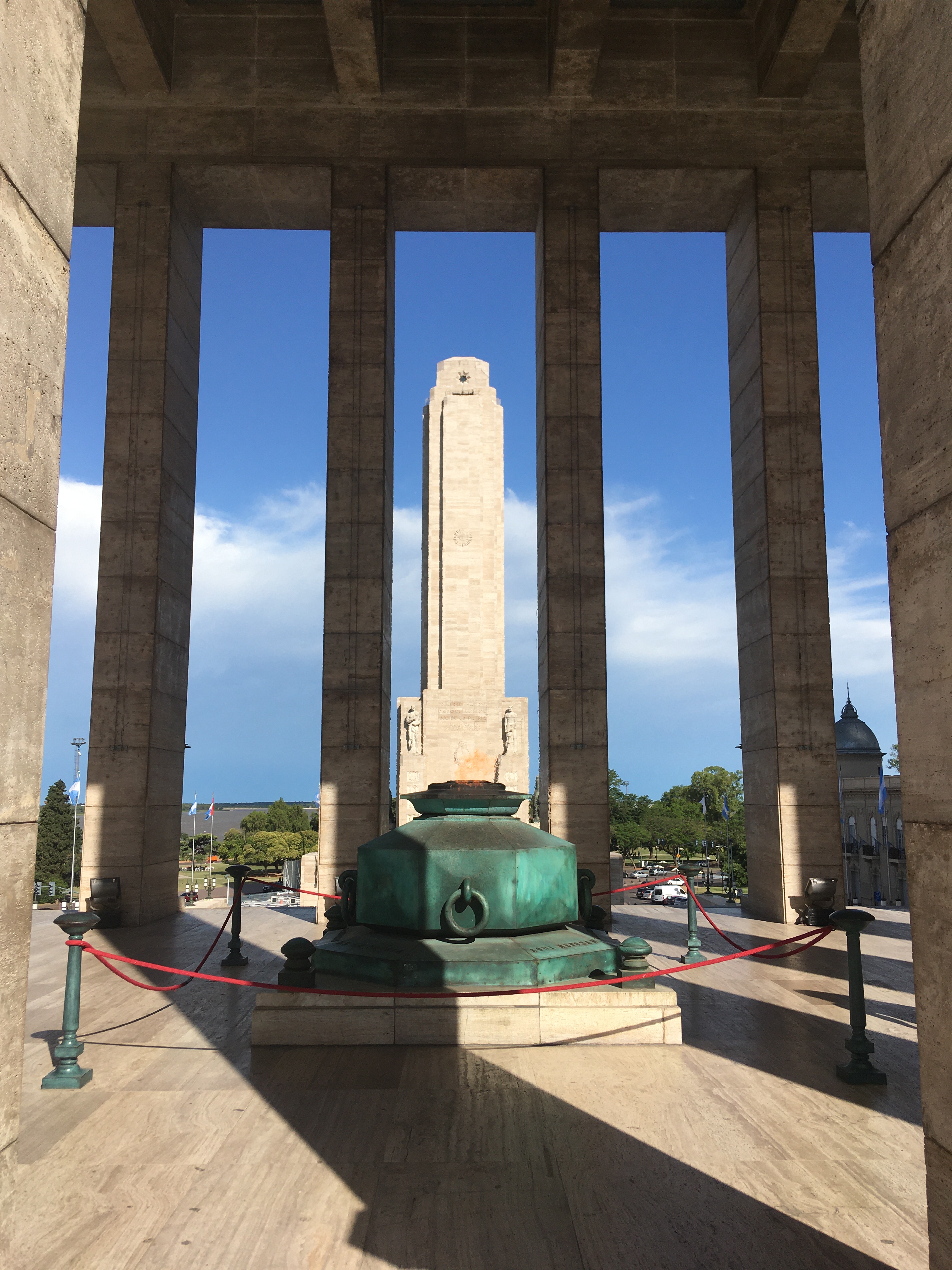
– Rosario is the “Cradle of the Argentine Flag” – created by Manuel Belgrano in 1872
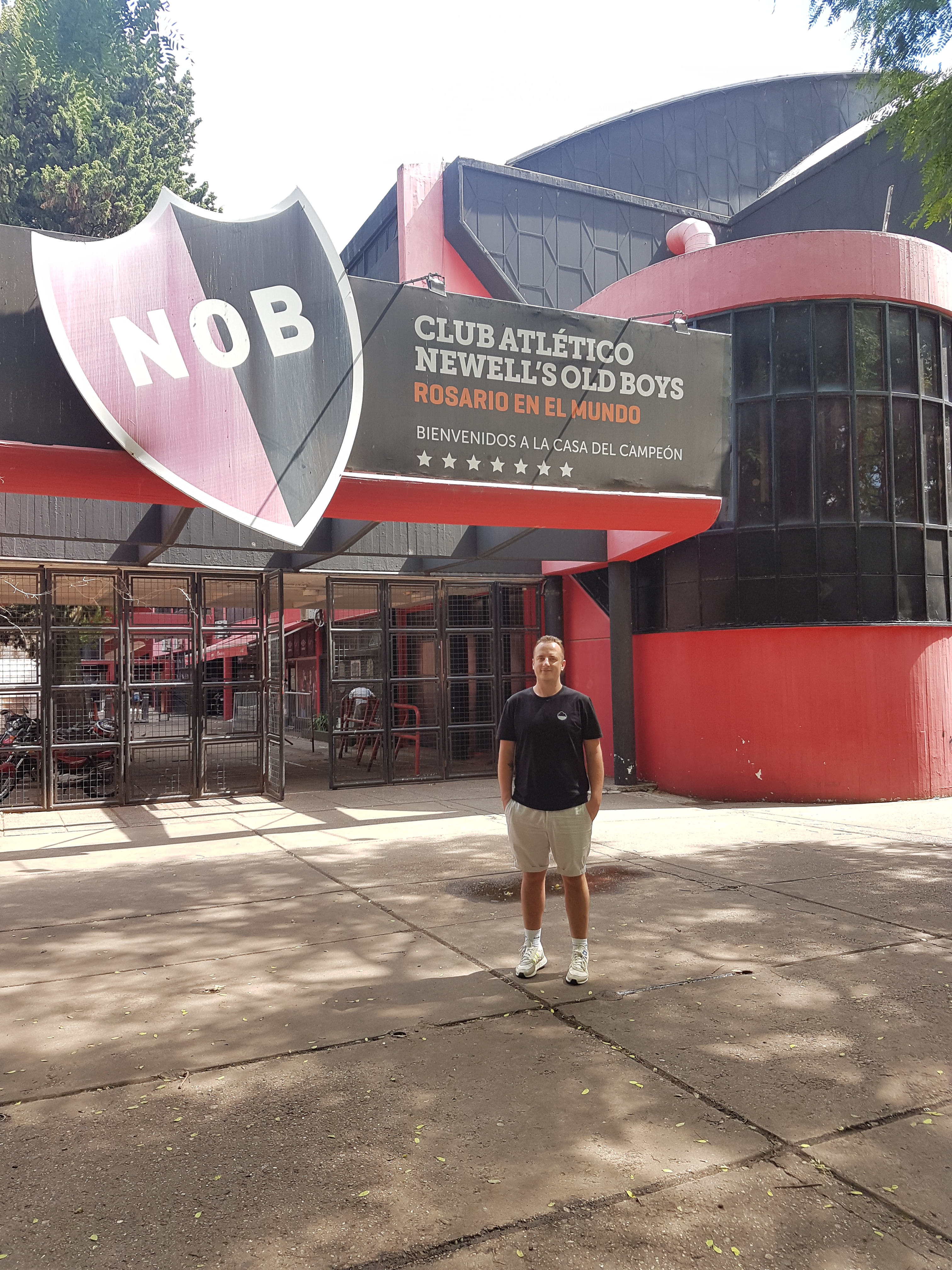
– It is home to the best ever named football team – NOB

Córdoba

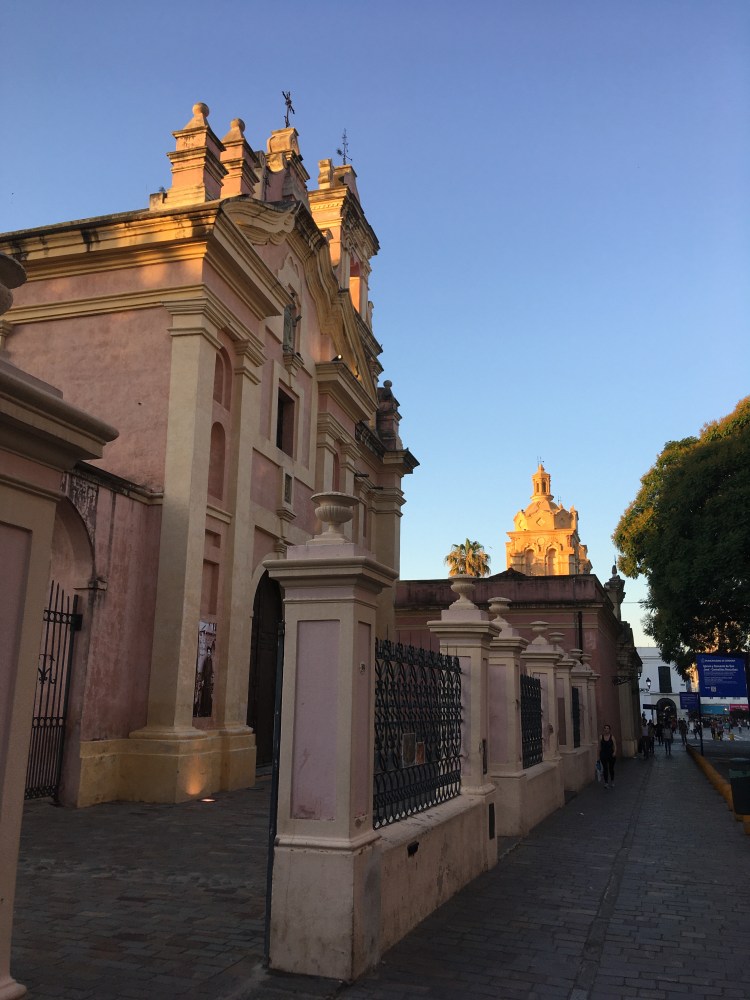
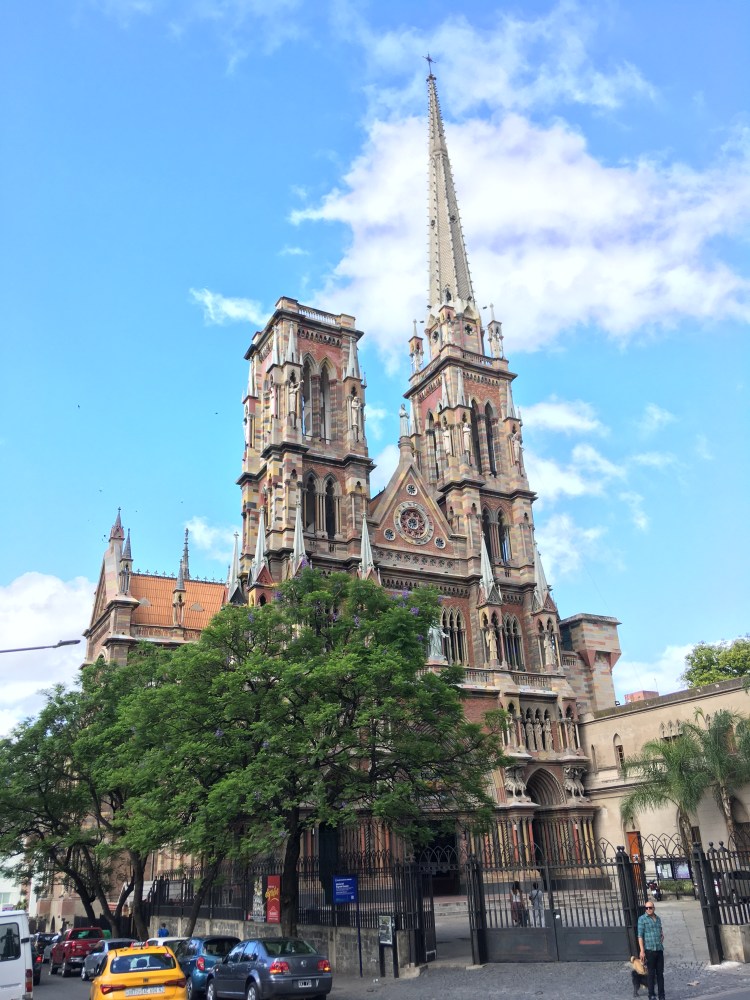
After 3 nights in Rosario, it was time to discover a new city – Córdoba, Argentina’s second city. Córdoba had all the things you would expect from a second city – exciting nightlife, great (colonial) architecture and the usual crazy Argentinian drivers!

We have to admit, we didn’t do as much sightseeing as we probably should have done. After 3 weeks of constant exploring we were happy to just take it a little easier and explore the city in small doses.

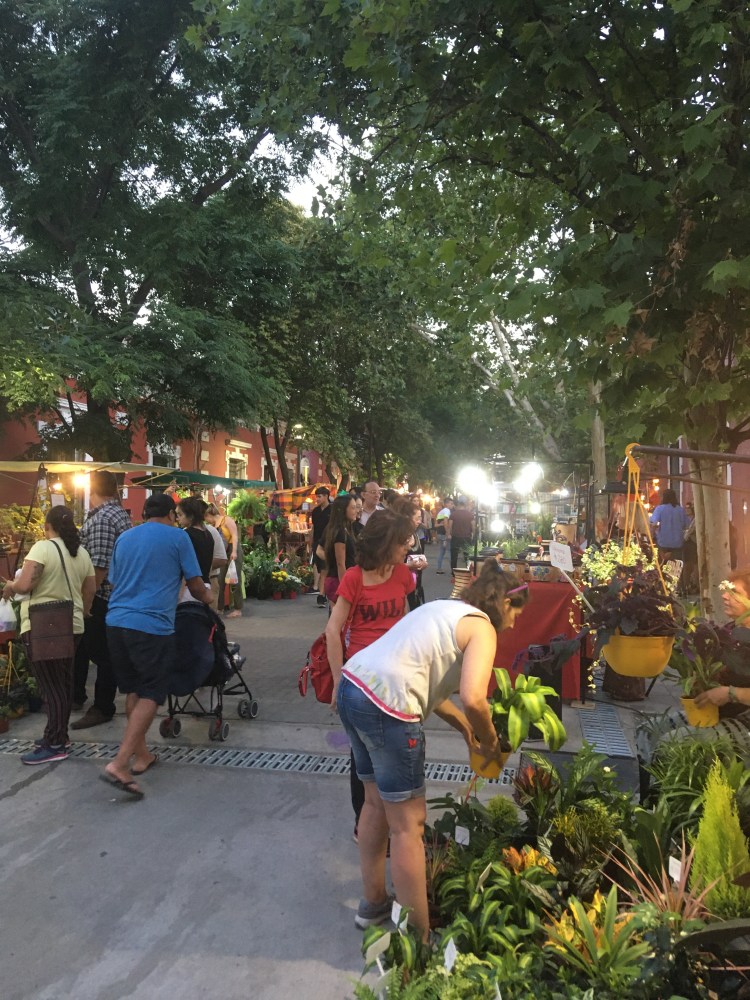
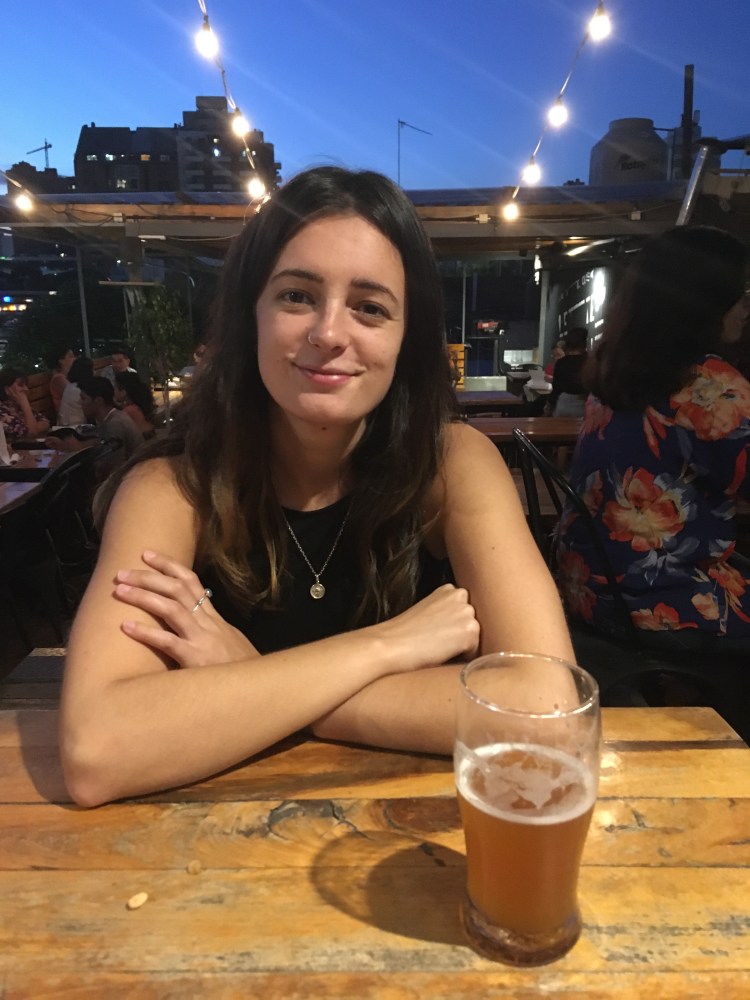
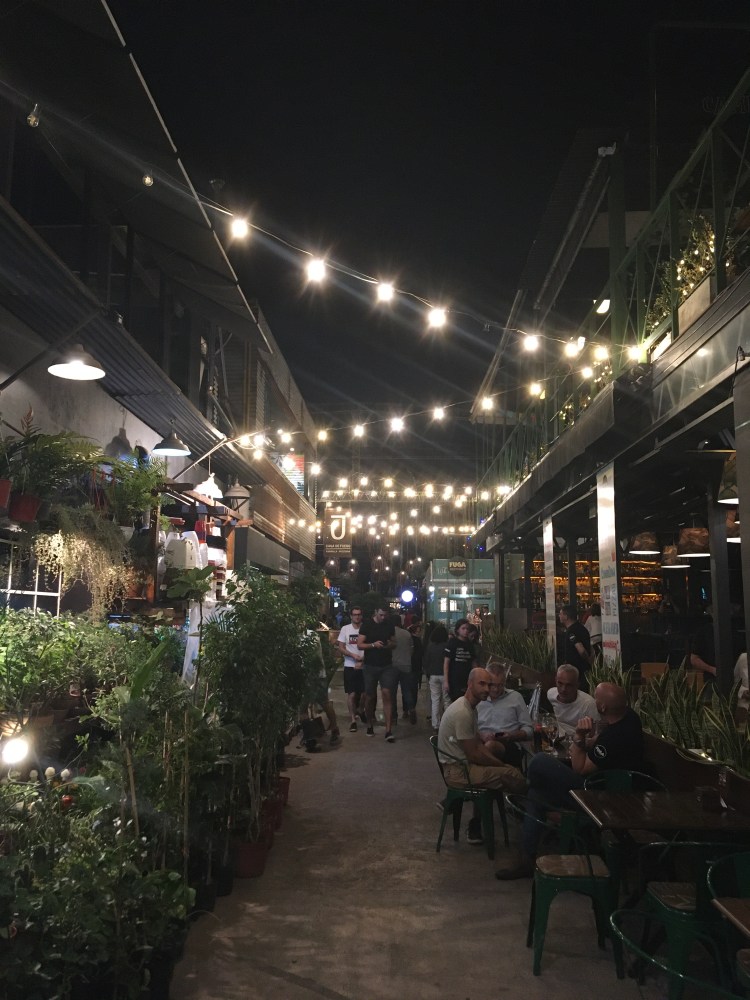
Córdoba is the student city of Argentina, so it was naturally very lively with fantastic markets, chic bars and rooftop terraces (= a very happy Josh & Lisa!).

Iguazú, Argentina & Brazil

After a turbulent flight from the metropolis of Buenos Aires, we landed in the middle of the Atlantic rainforest – quite a contrast.

We stayed in Puerto Iguazú, a small town mainly inhabited by tourists and stray dogs (don’t worry – no rabies yet..) This was our first experience of a South American hostel (one which we are hoping not to relive too many times on our travels!).

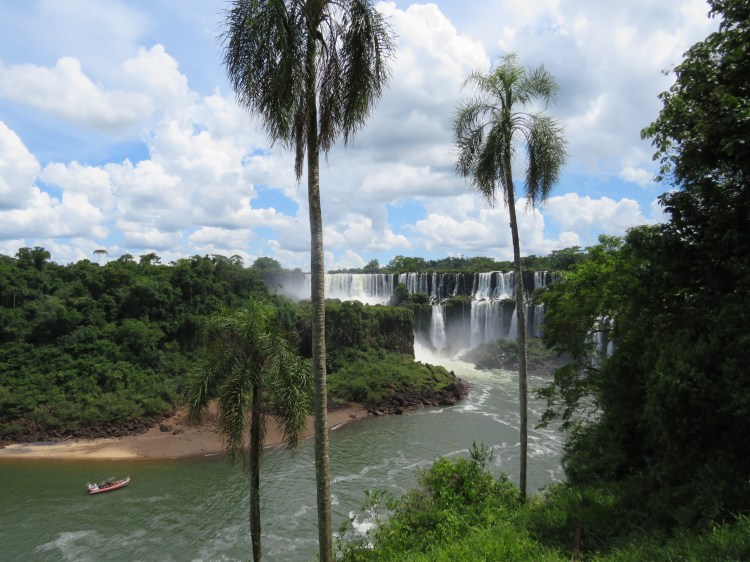
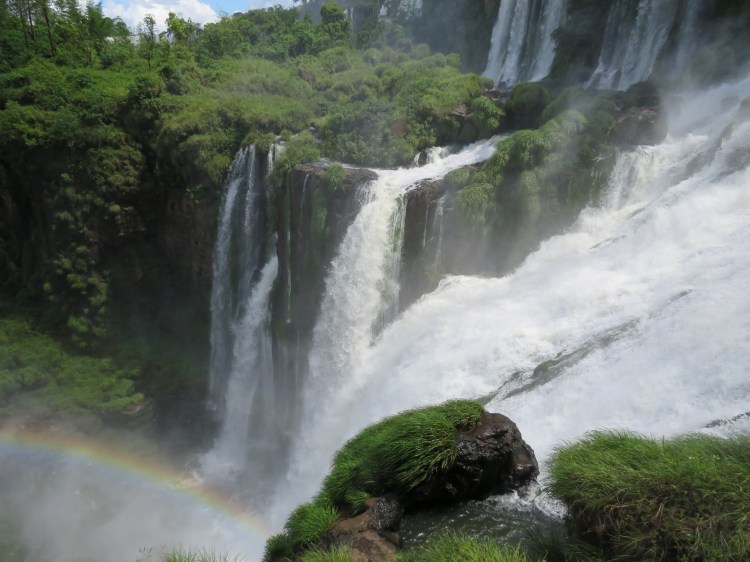
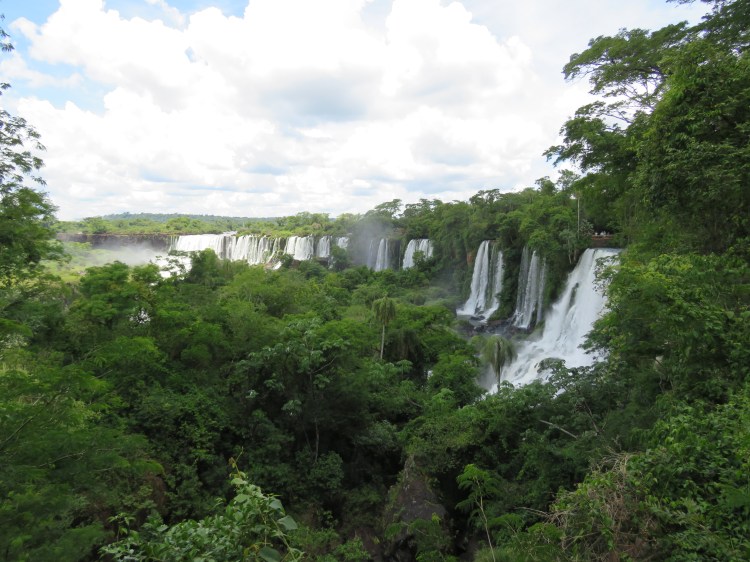
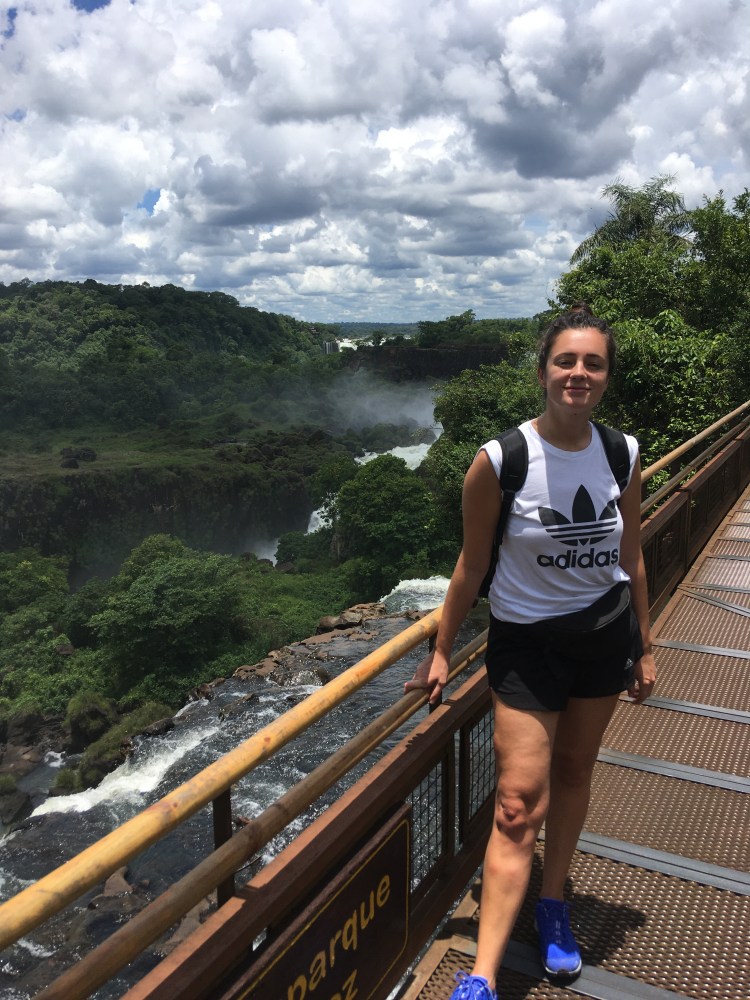
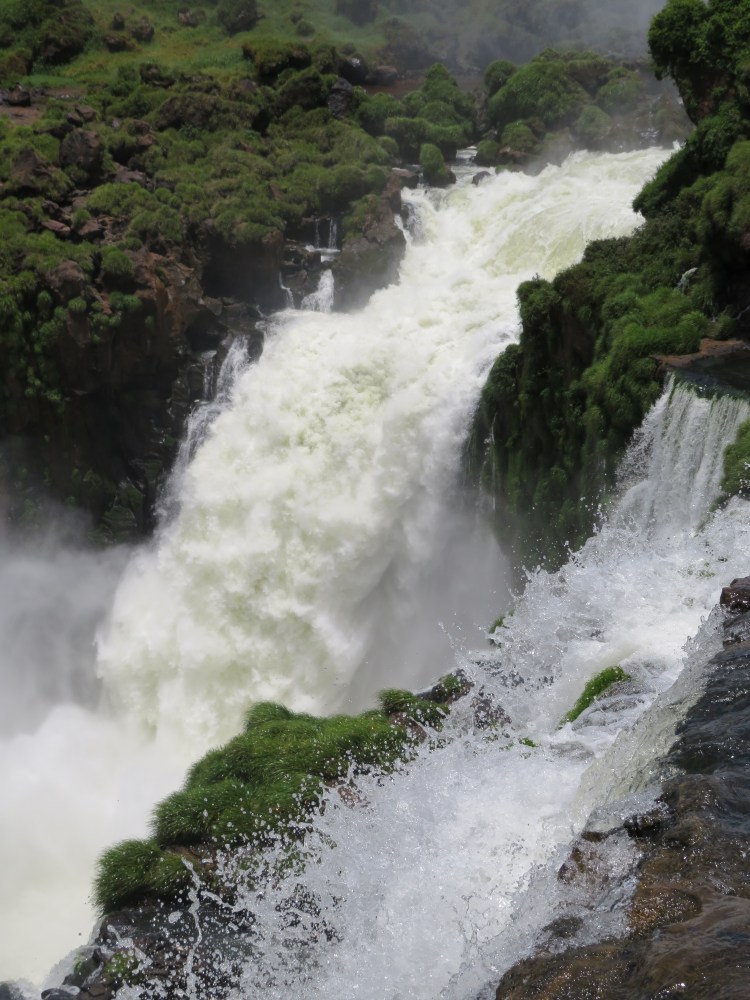
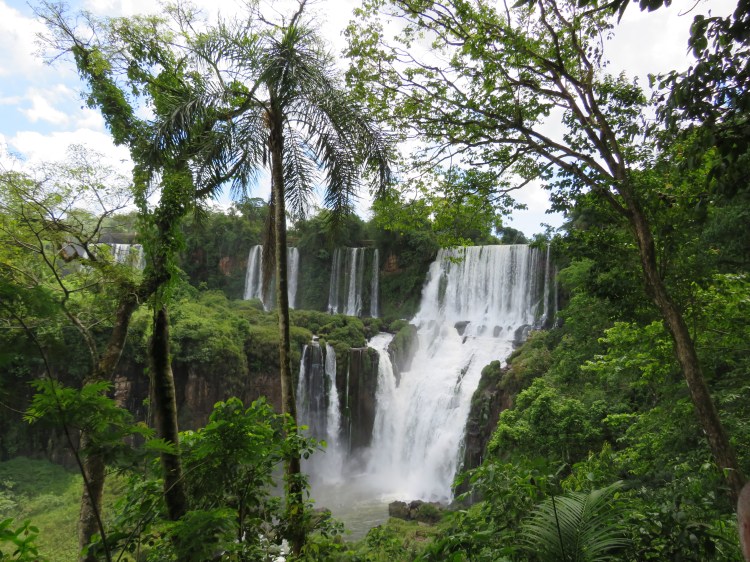
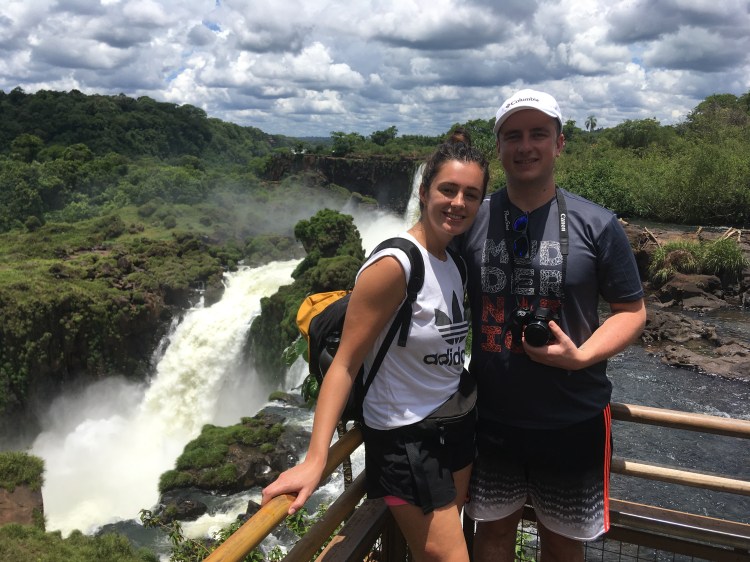
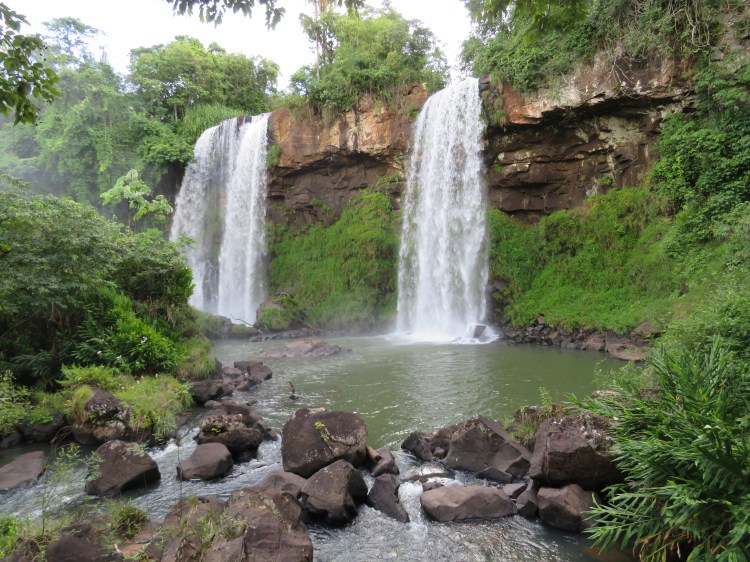
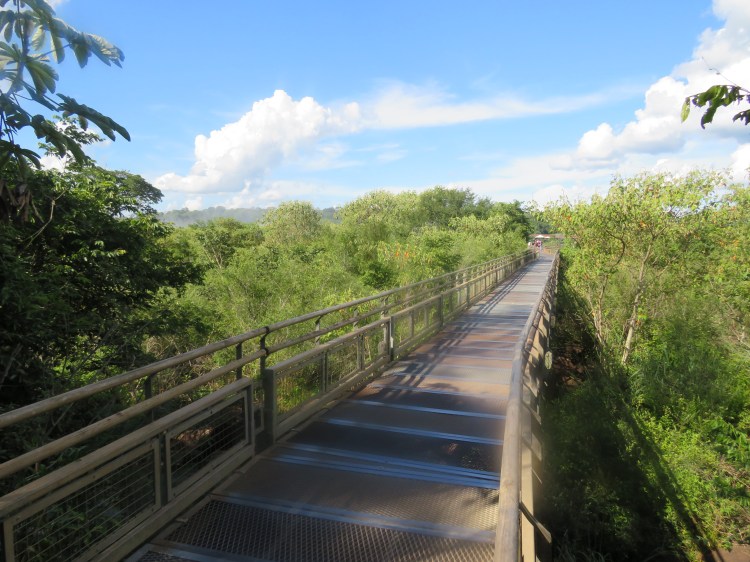
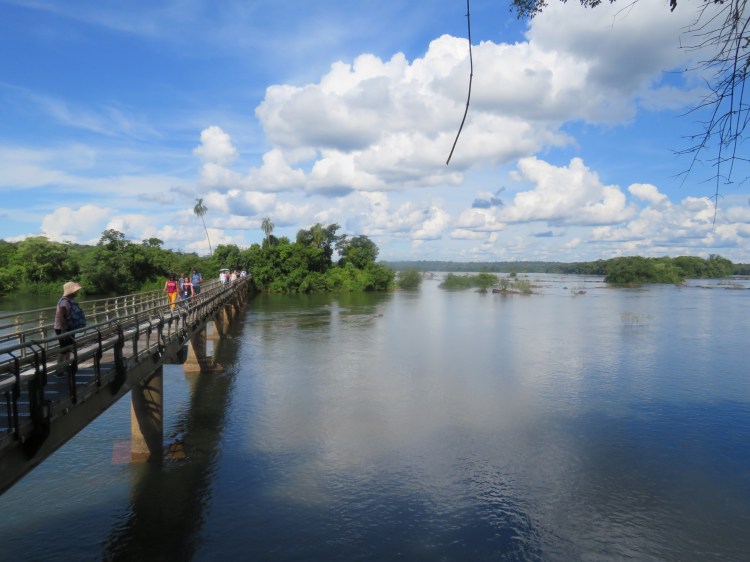
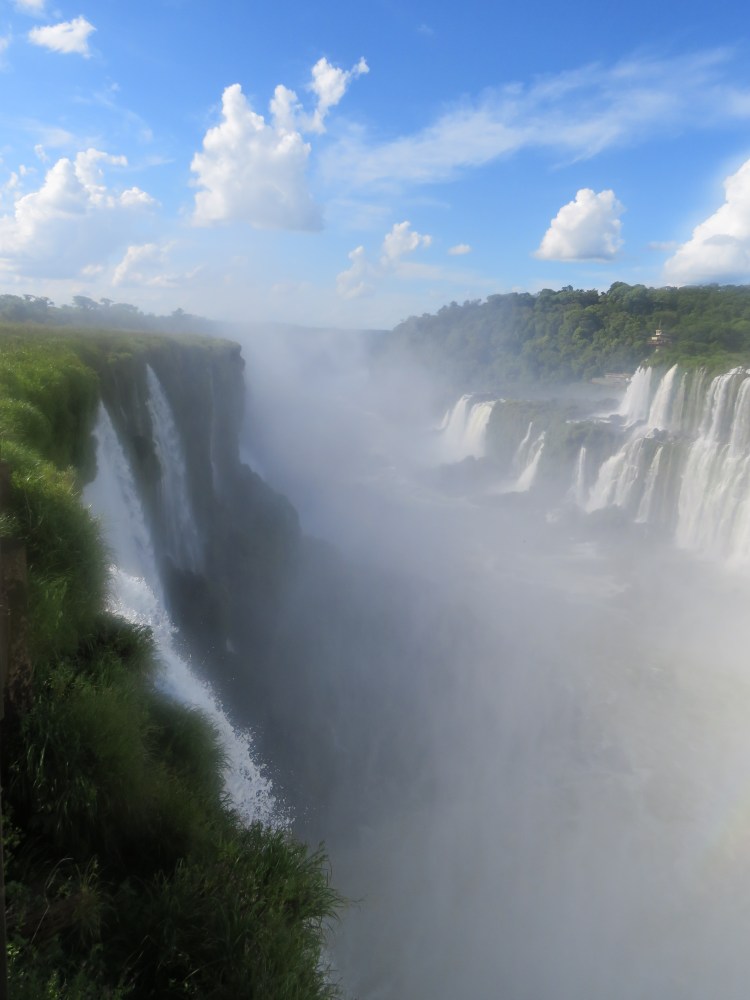
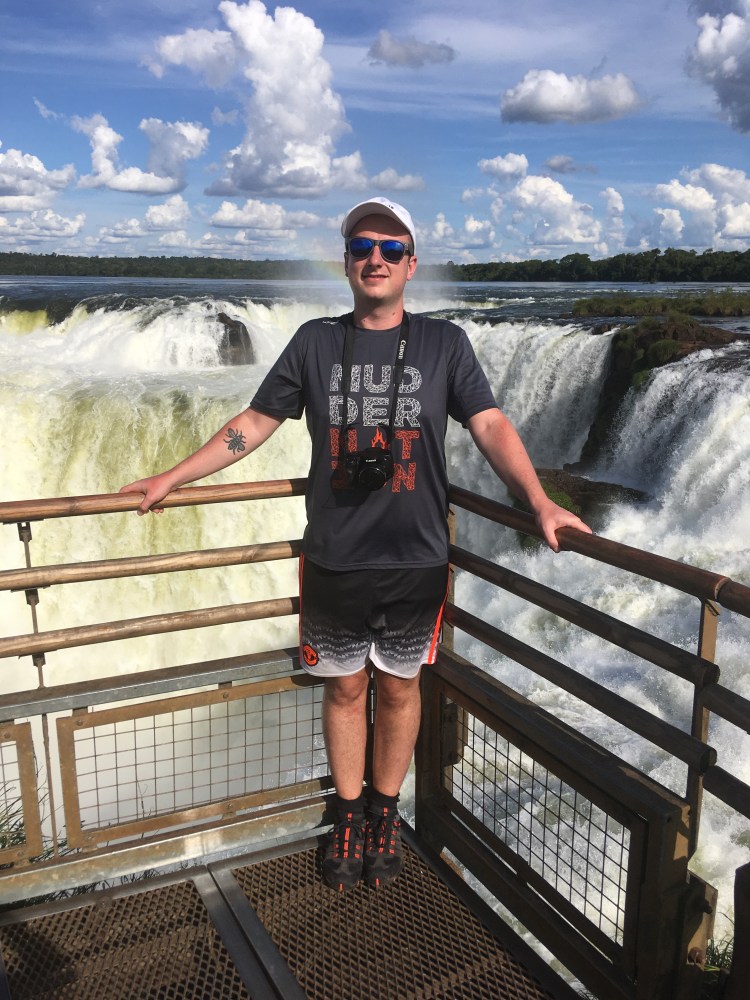
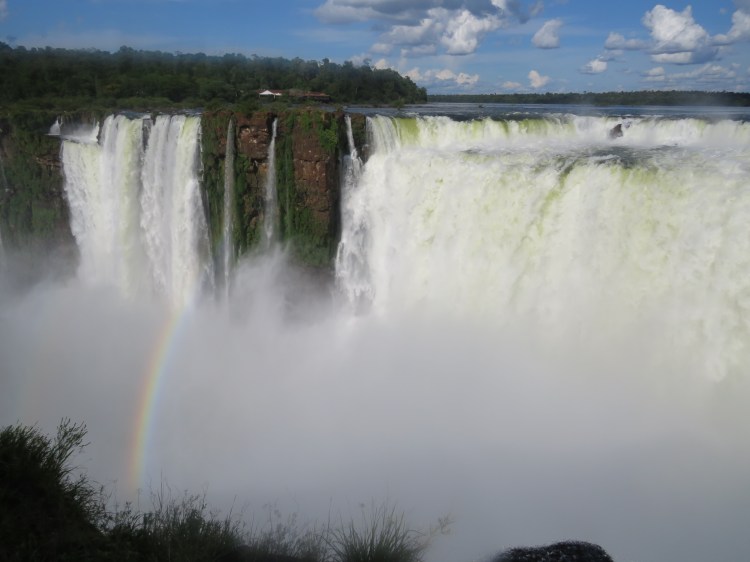
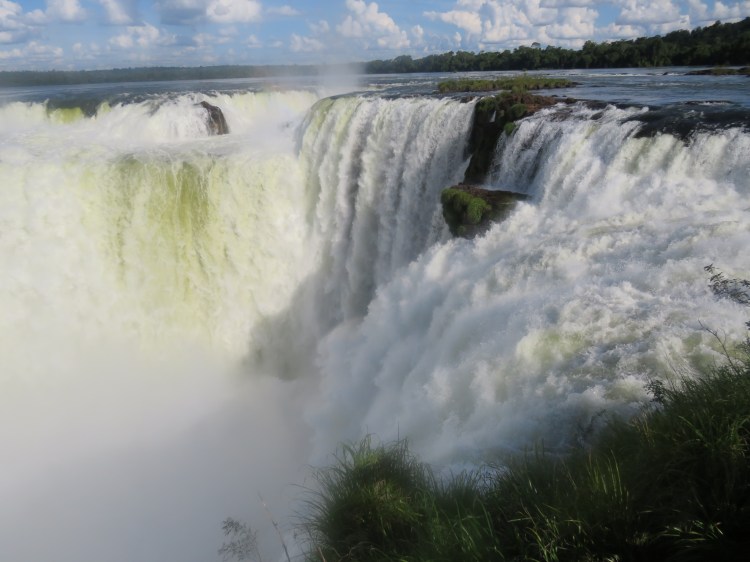
The falls were spectacular and have surely ruined any future waterfalls for us. We spent 7 (very hot and tiring!) hours wandering around the beautiful National Park and there is no doubt as to why it’s one of the new 7 wonders of the natural world. Our photos below really don’t do it any justice – but we tried 🙂

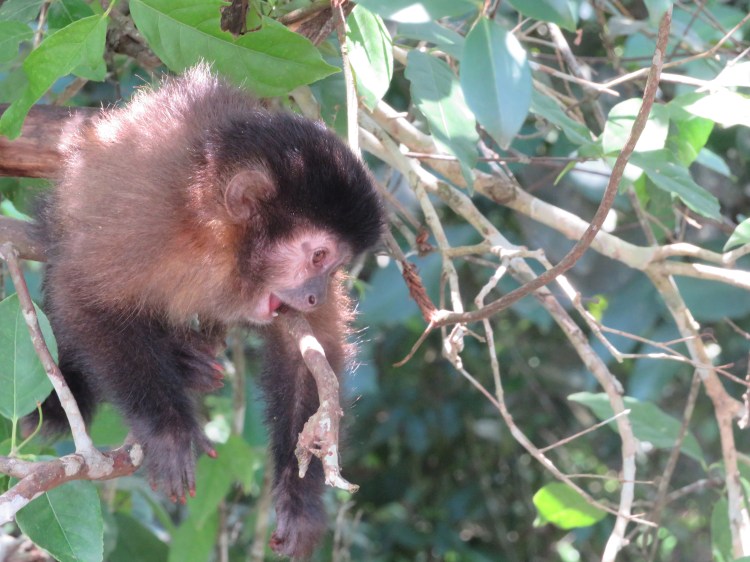
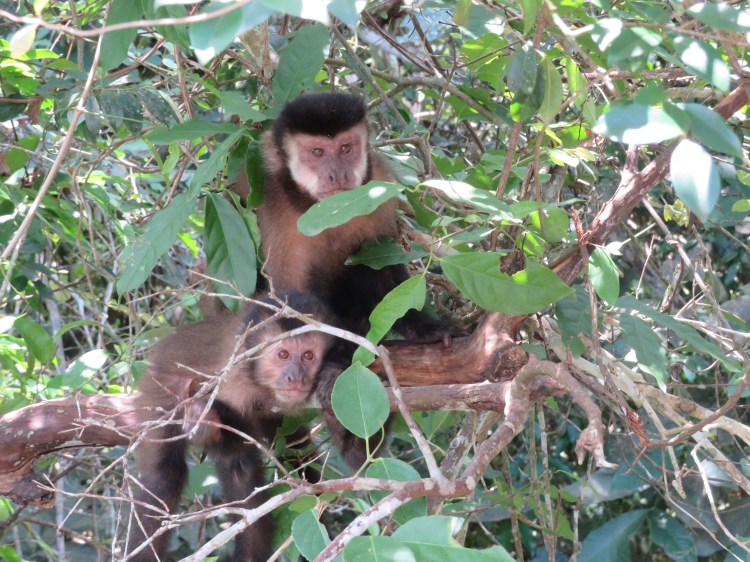
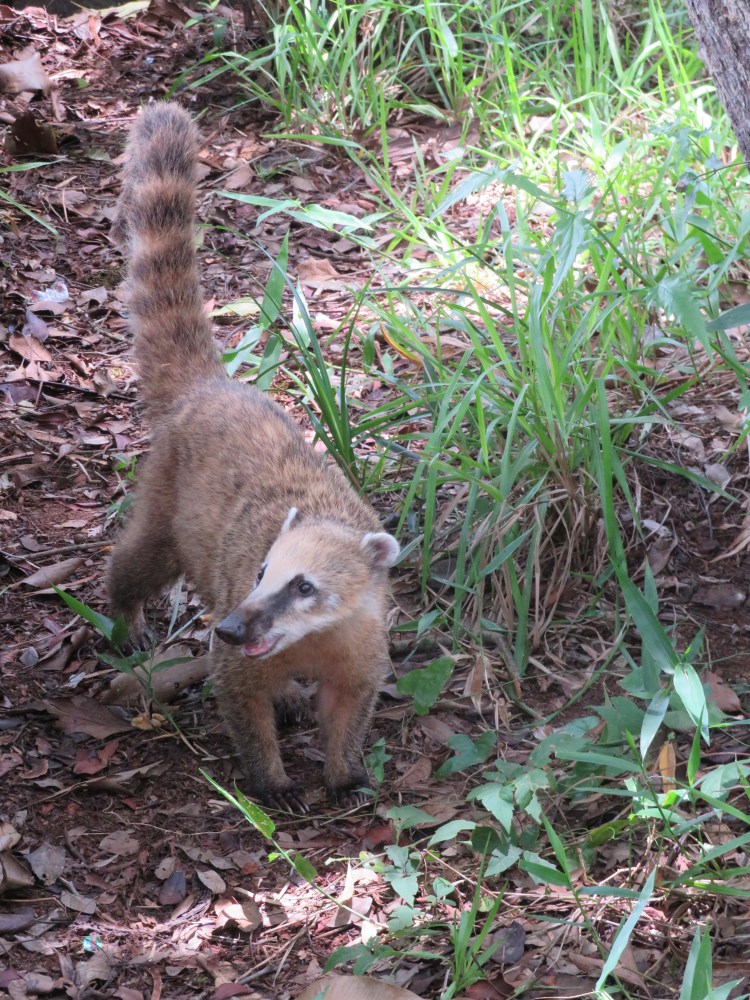
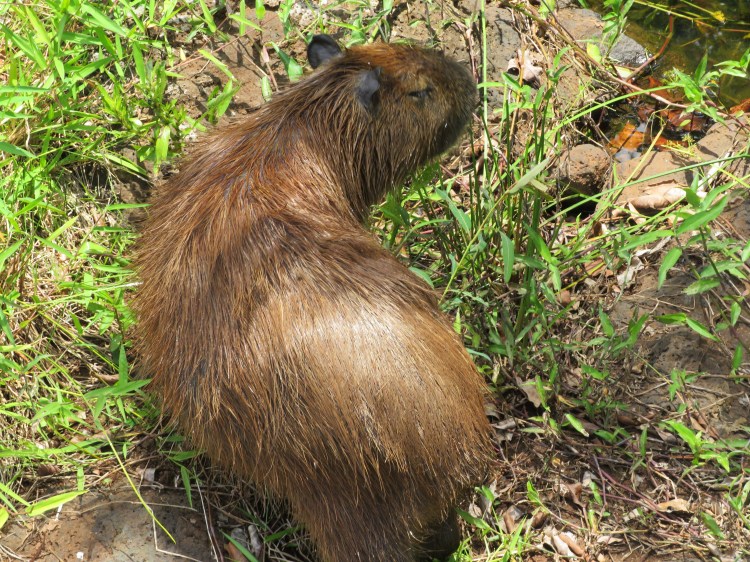
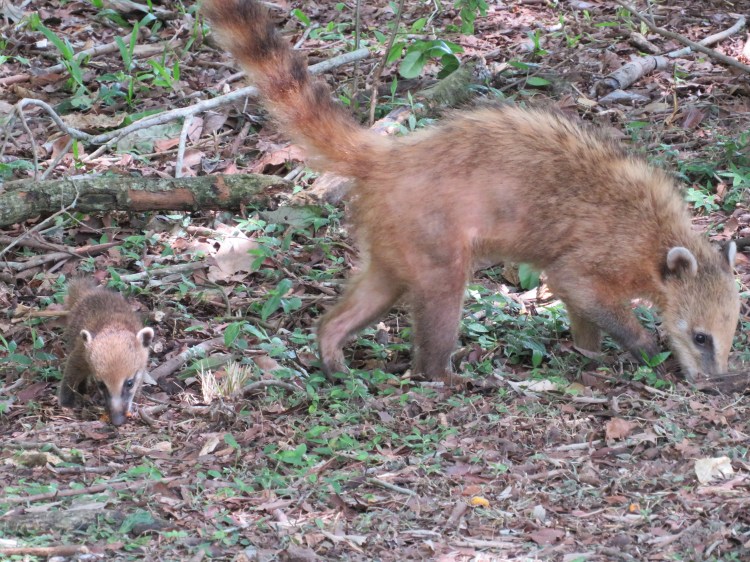
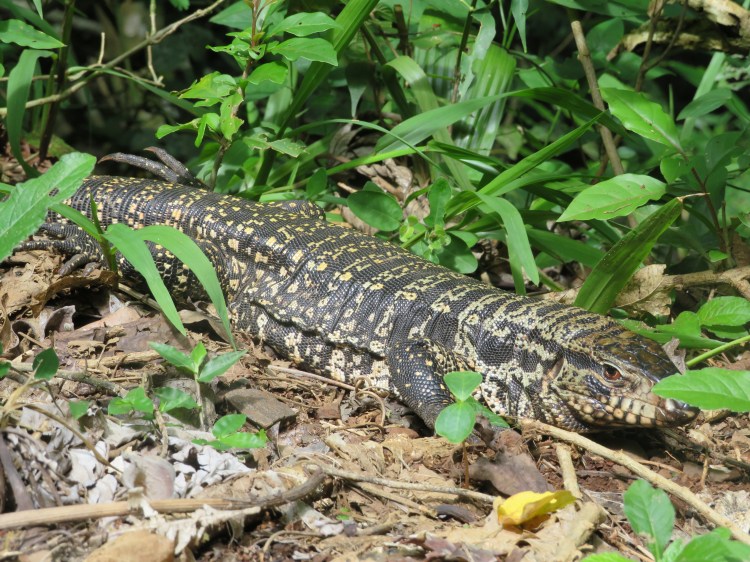
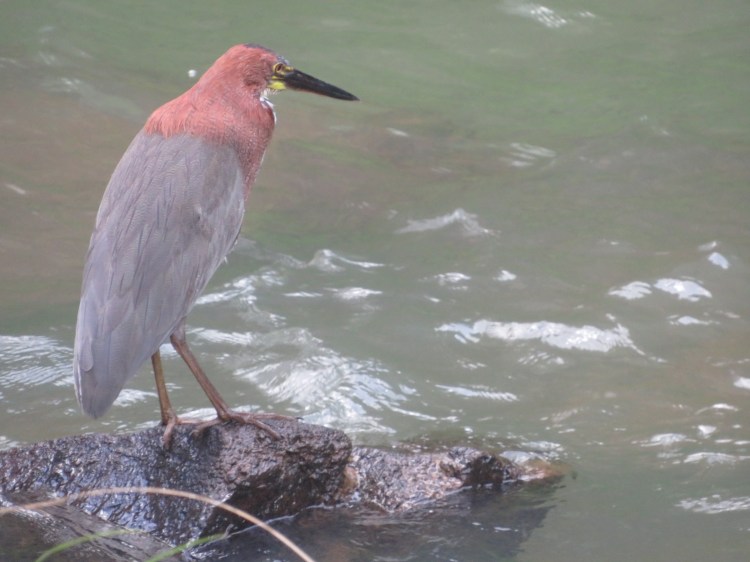
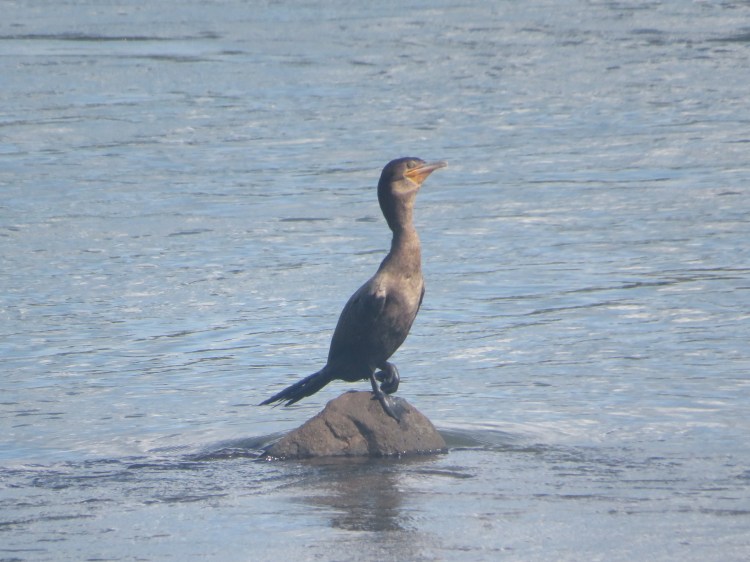
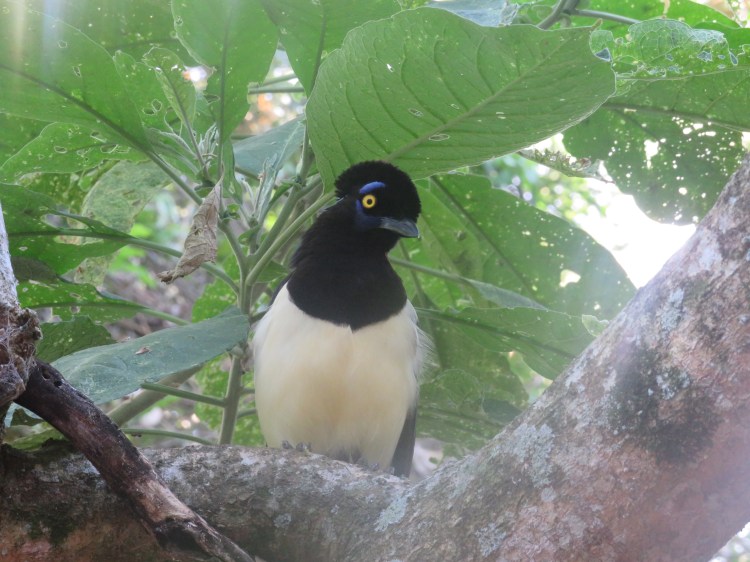
We saw some great wildlife, including the curious coatí (long nose and furry tail – see picture below) were everywhere and especially in areas where they could get their cheeky hands on some food. We were also treated to Capuchin monkeys who kindly showed their faces and posed for some photos. We were so grateful for our excellent new camera!

The highlight though was definitely the Garganta del Diablo (devil’s throat) – the sheer size and power of the water was overwhelming. It was a very special experience and it will definitely remain a huge highlight of our whole South American travels.

We then crossed the border to Brazil to stay in Foz do Iguacu – not the most enchanting of towns, but we were quite happy to spend some time relaxing on the rooftop terrace to recover from a busy start to our travels (as well as another stamp on our passports!).

We’re now very happy to be back in Argentina and away from the unbearable humidity and the equally unbearable mosquitoes of the jungle. Onto our next stop – Rosario!

Design a site like this with WordPress.com
Get started